Chinese kitchen
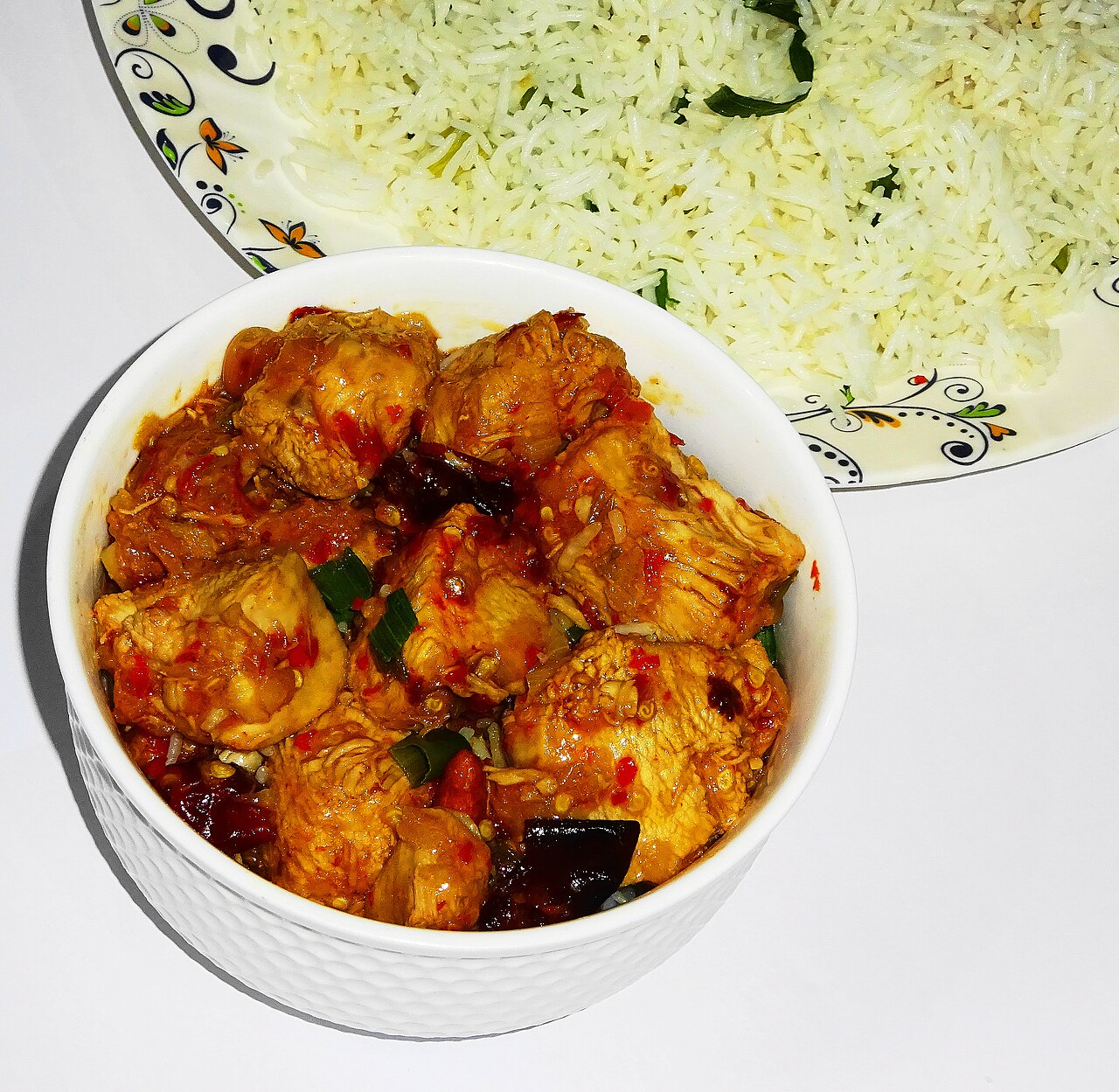
Kung Pao Chicken
Kung pao chicken depends on a thin glaze, evenly cut chicken and peanuts that remain crisp.
Explore fragrant broths, crisp edges and deeply satisfying everyday cooking.
Prepare small, even pieces and mix measured sauces before the fast pan stage. Stir-fries, steamed fish, soups and filled wontons finish differently, so use the specific texture and temperature cues rather than applying one high-heat method to every dish. Preserved greens, bean pastes and soy sauces also contribute salt; taste the finished balance before adding more.
10 recipes to explore
Kung pao chicken depends on a thin glaze, evenly cut chicken and peanuts that remain crisp.
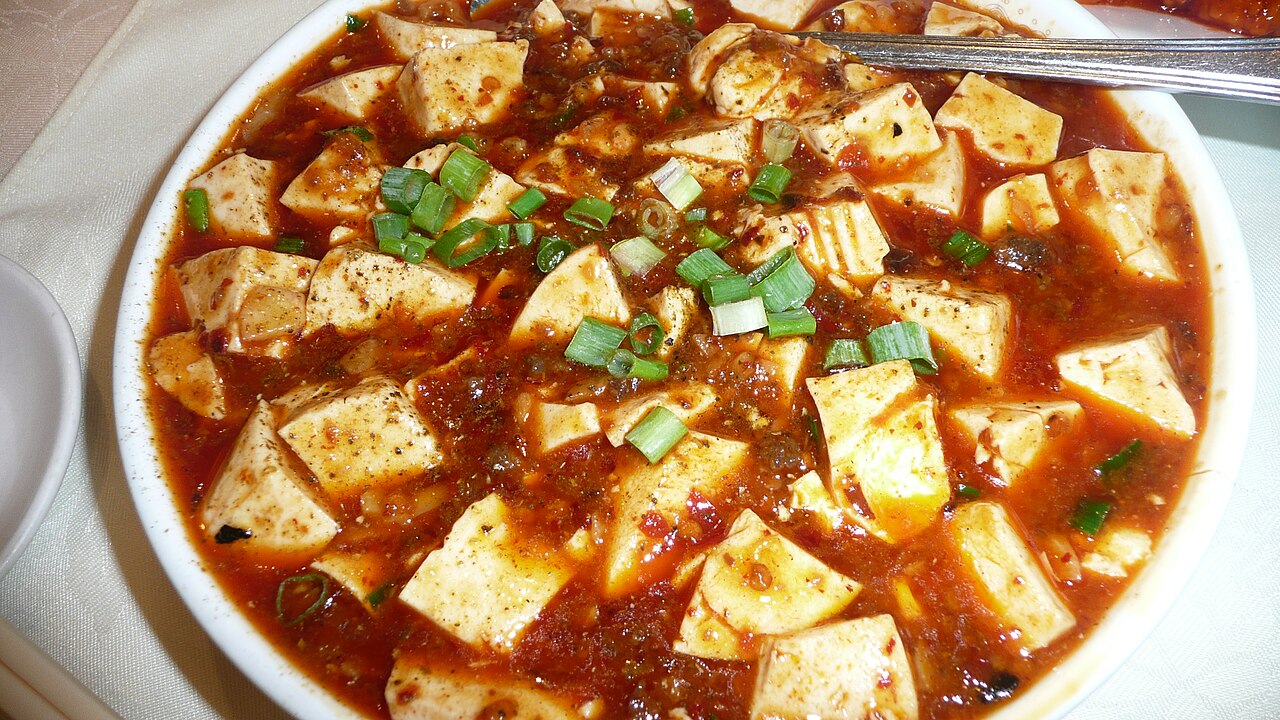
Mapo tofu needs soft cubes in a flowing savory sauce, not tofu stirred into a dense starch paste.
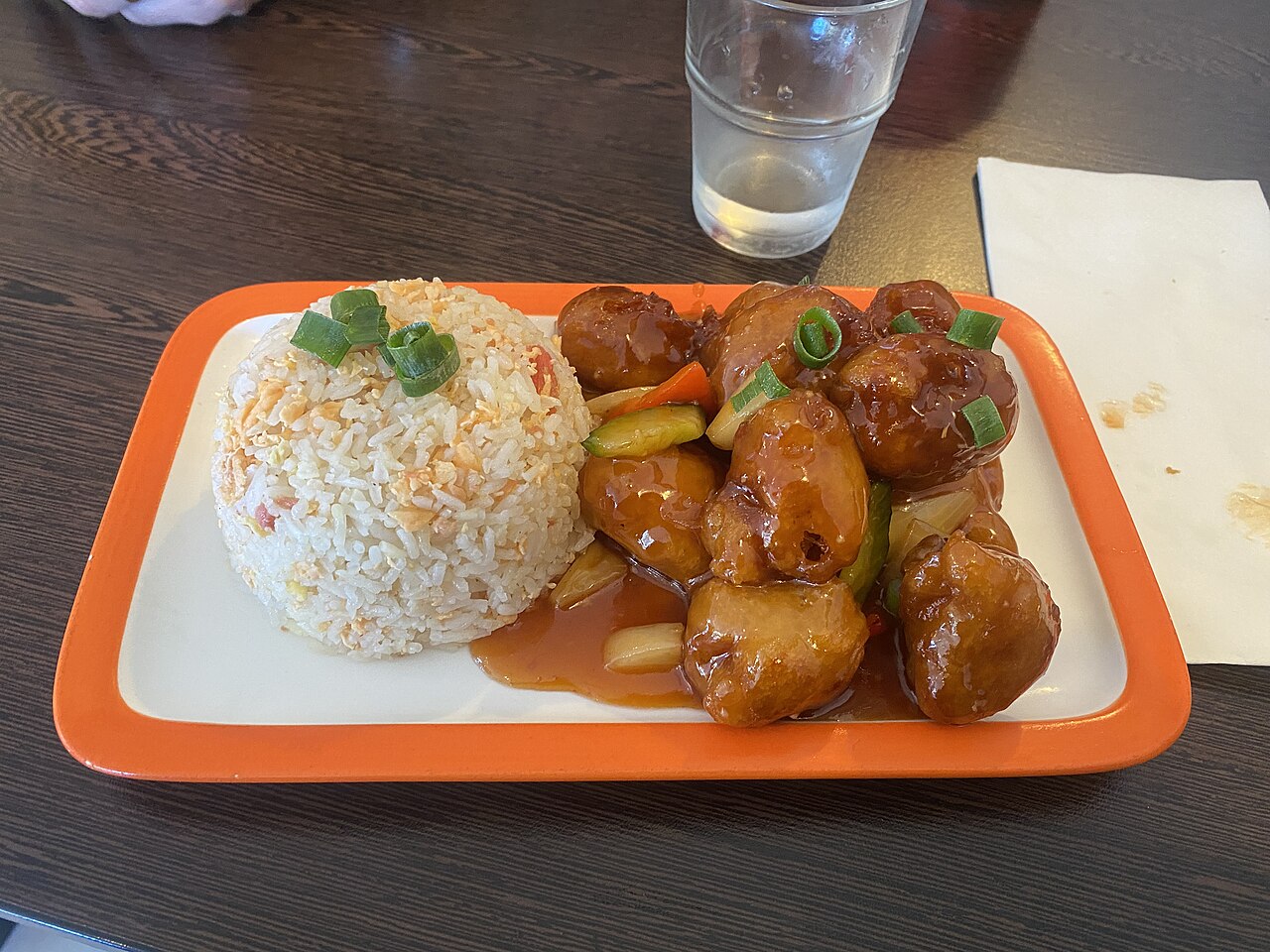
Sweet and sour pork is about a deliberate meeting between crisp coating and a bright glaze.
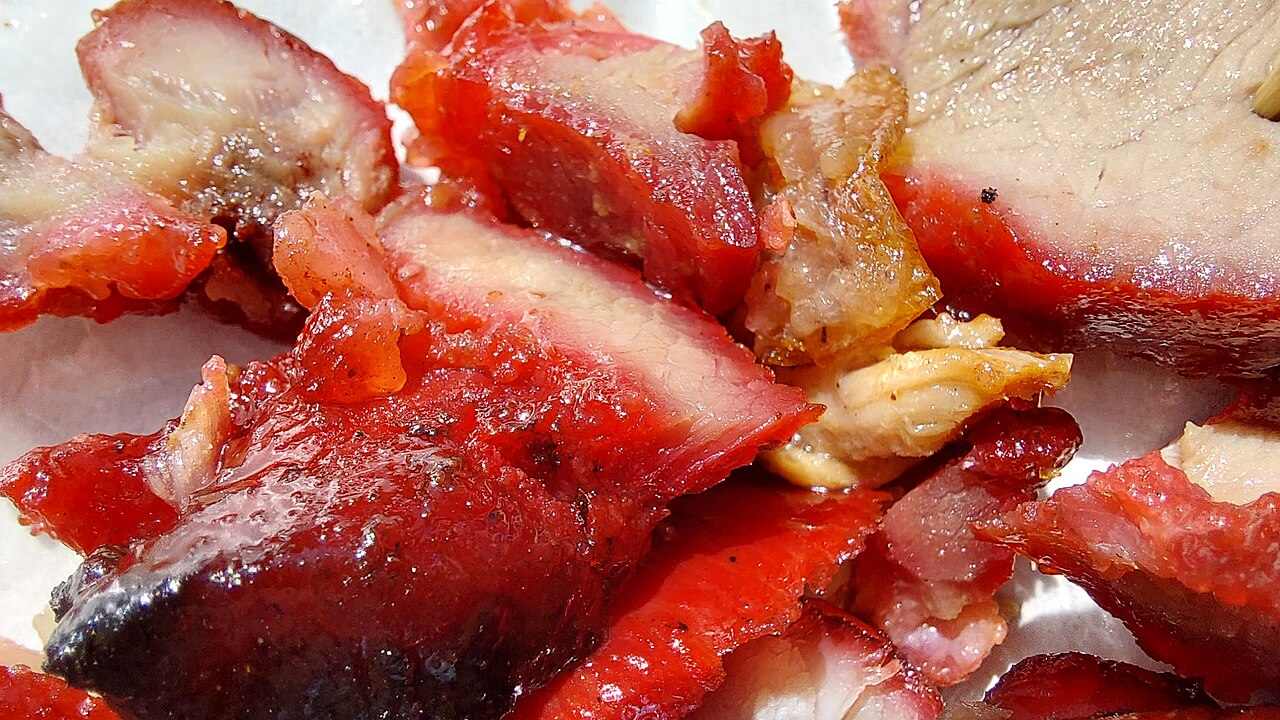
Oven char siu uses long pork strips and several thin glaze applications to create caramelized edges.
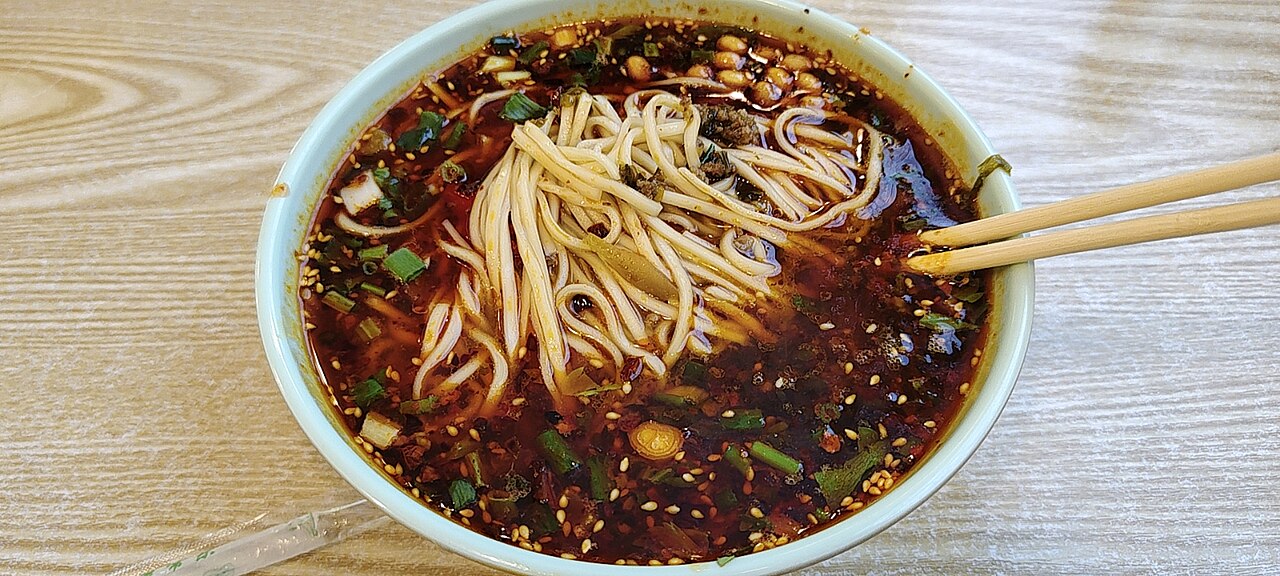
Dan dan noodles should be mixed while hot so a fluid sesame-chile sauce reaches every strand.
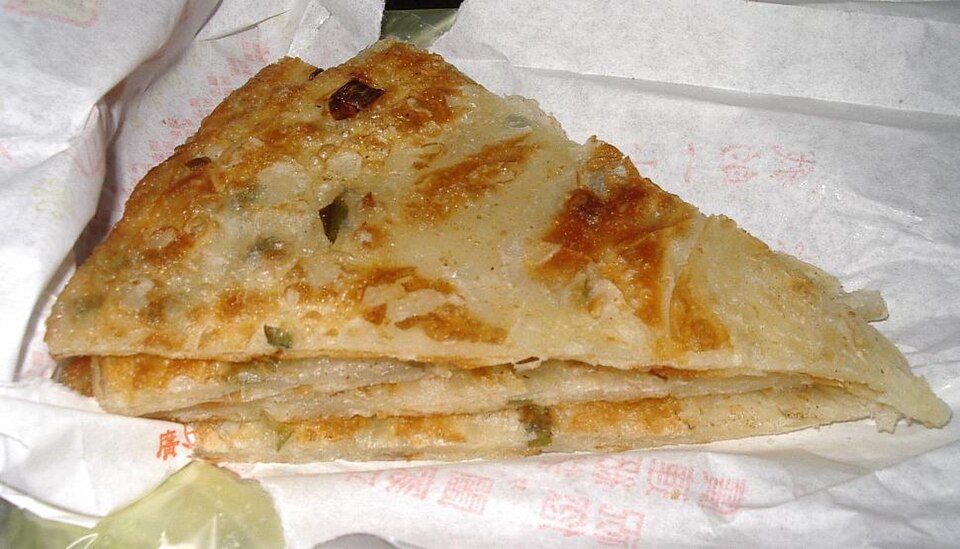
Scallion pancakes are laminated flatbreads, not pourable pancakes.
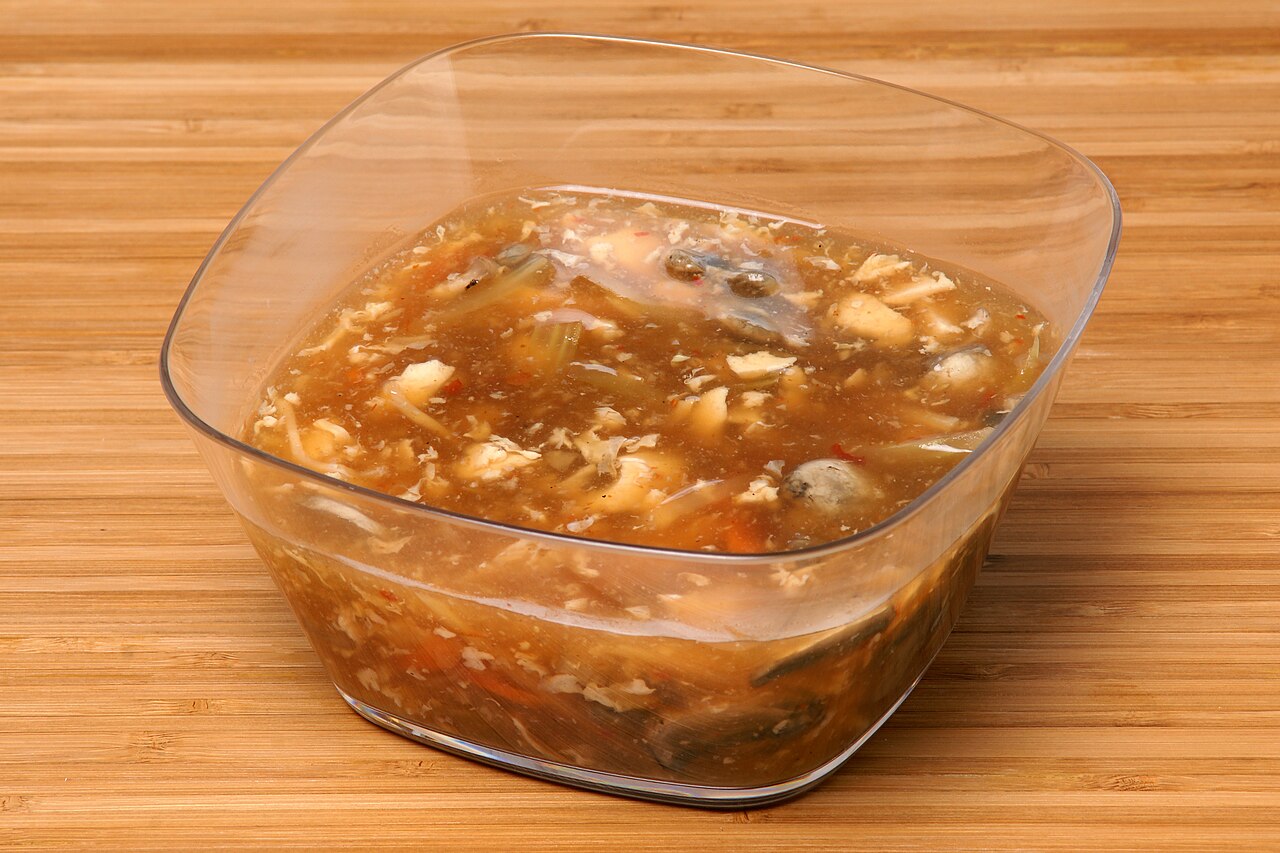
Hot and sour soup gets its warming character primarily from white pepper and its sour finish from vinegar.
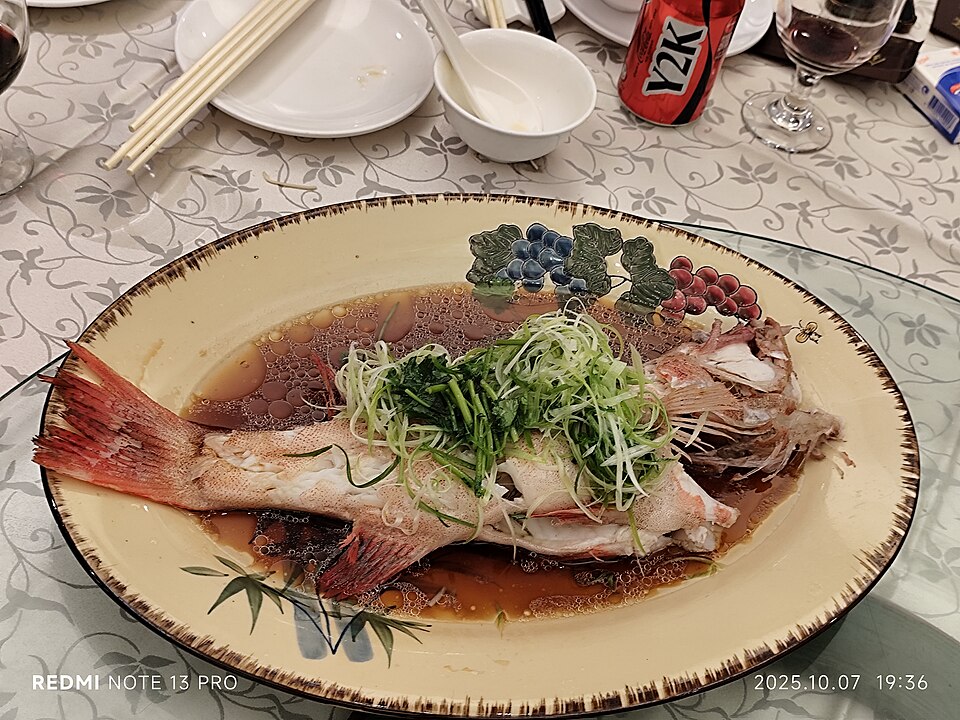
Ginger-scallion steamed fish relies on gentle cooking and a clean final sauce.
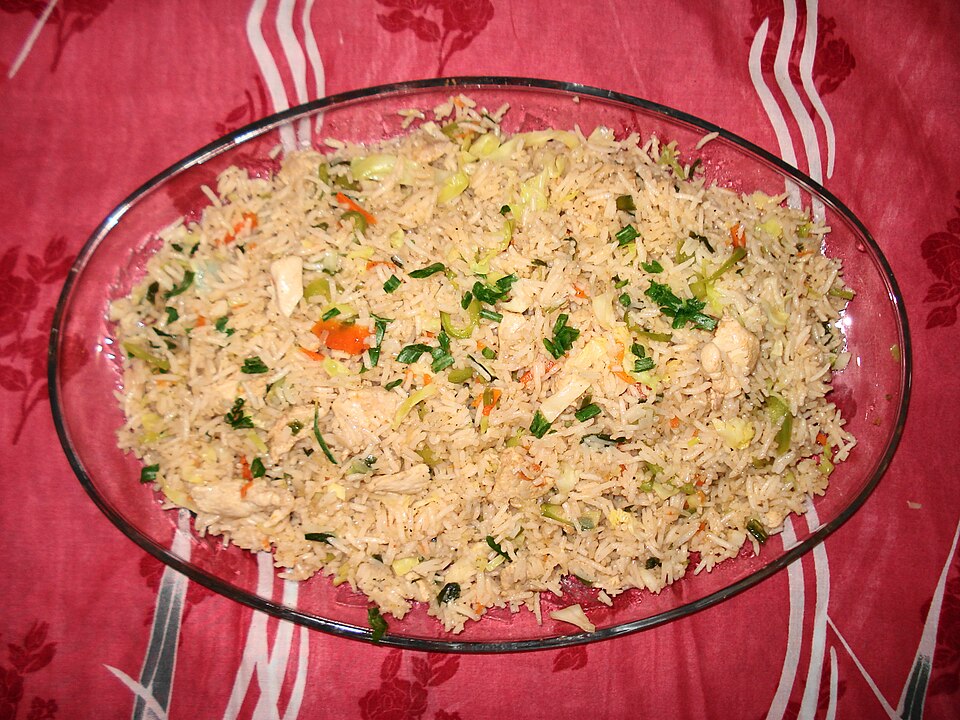
Egg fried rice is a test of preparation rather than a long ingredient list.
Wonton soup should combine delicate sealed dumplings with a clean broth.