The short answer
Choose the grain and cooking method before selecting a water ratio. Keep rice for shaping, risotto, fried rice and steamed dessert distinct. For leftovers, cooling and refrigerated storage matter; reheating alone cannot correct an unsafe storage history.
Define dry weight, cooked weight and method before choosing water
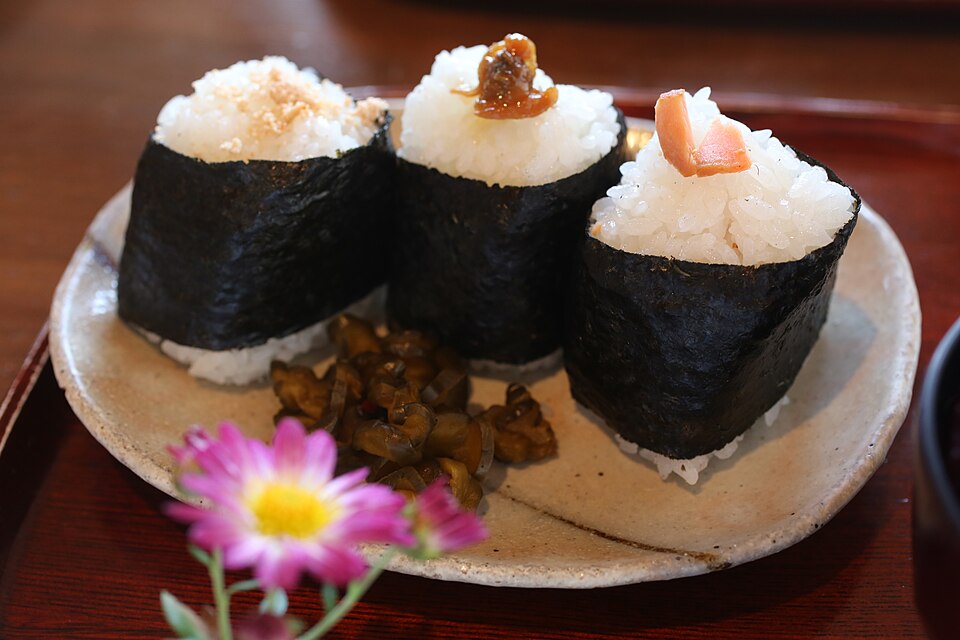
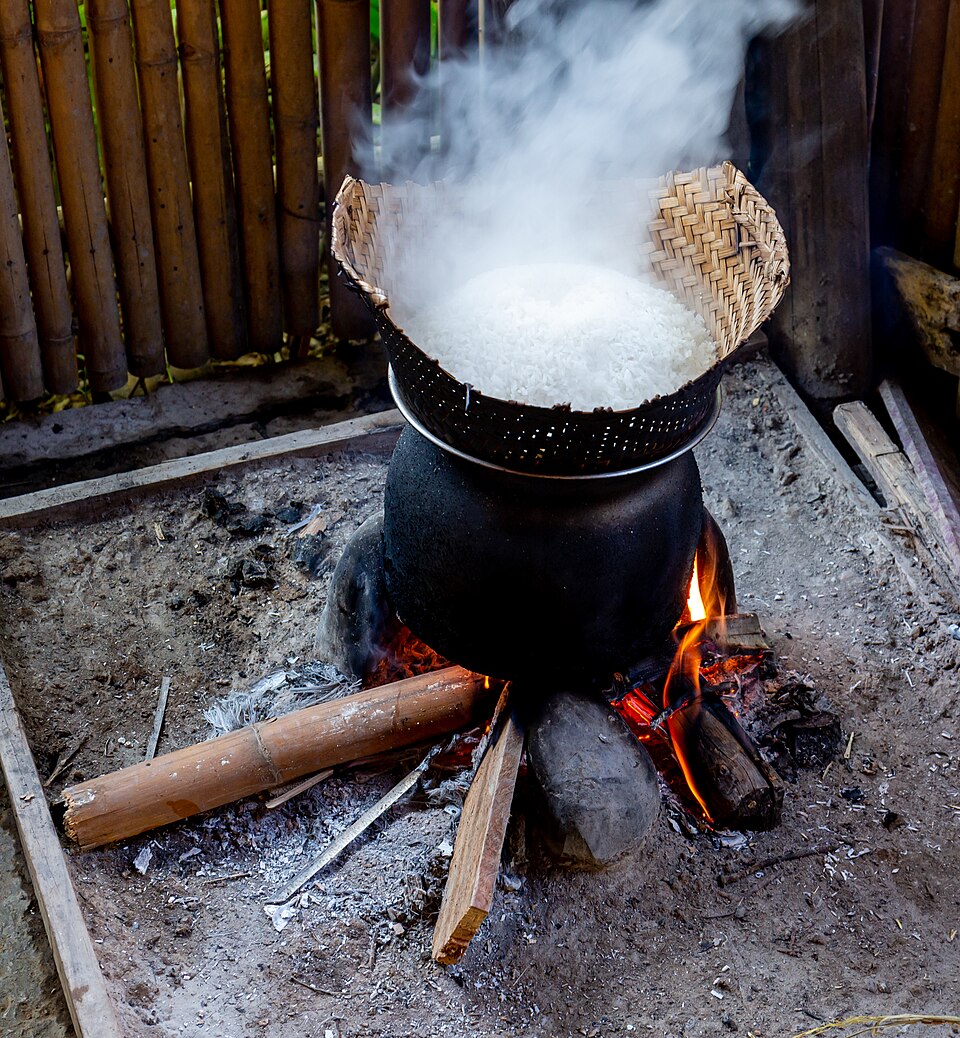
Start by reading the quantity line: dry rice and cooked rice are different ingredient states, not interchangeable package weights. A fried-rice recipe that asks for chilled cooked rice does not also require the absorption water used to make that rice. Onigiri begins with dry short-grain rice and gives a separate measured cooking stage; glutinous dessert rice is soaked and steamed instead. Risotto deliberately retains surface starch and builds a sauce during cooking, while a covered absorption method tries to retain steam with a fitted lid. These methods need different judgments about rinsing, soaking and remaining liquid. Use the named grain and the packet as a starting reference, then follow the dish’s actual sequence. If substituting another variety, acknowledge that water use, cooking interval and texture can change together. One universal ratio hides those distinctions rather than making the meal more reliable.
Rinse and soak only with the intended method in mind
Rinsing removes loose surface material and can make a plain rice preparation cleaner, but it is deliberately omitted in many risotto methods. Soaking hydrates grains before cooking and affects the later liquid and time required. If the recipe says to drain and add measured fresh water, do not count the cloudy soaking water as though nothing has changed. A fine sieve makes draining more consistent. Avoid vigorous grinding between your hands that breaks delicate grains and creates fragments which cook faster than the rest.
Use a lid and pan size that match absorption cooking
A close-fitting lid retains steam, while a very broad pan loses water faster than a narrow one. Start with the recipe’s method and use moderate heat after the initial boil where instructed. Repeatedly lifting the lid releases heat and moisture, turning the process into a moving target. If the rice is still firm but the pan is dry, add a small measured amount of hot water and continue gently. More oil does not hydrate the center and can conceal a dry base without solving it.
Rest before fluffing or shaping
A covered rest lets moisture redistribute after the active heat ends. Lift the grains gently with a suitable utensil rather than mashing them against the side. For onigiri, the rice needs to be comfortable to handle and cohesive, not refrigerator-hard and dry. Use clean hands or food-safe wrap and keep perishable fillings cold until assembly. For biryani, a rest also protects the layered structure from becoming a wet mixed mash when a serving spoon goes in too early.
Cool leftovers promptly rather than leaving a pot overnight
Cooked rice needs special attention because unsafe storage can allow problems that reheating does not reliably solve. The Food Standards Agency advises cooling as quickly as possible, ideally within one hour, refrigerating and using within twenty-four hours before reheating. Spread rice into shallow portions rather than leaving a deep insulated pot to cool slowly. Keep the refrigerator cold and do not leave a lunch box warm for a long journey. The relevant decision is its handling history, not whether the rice still smells pleasant.
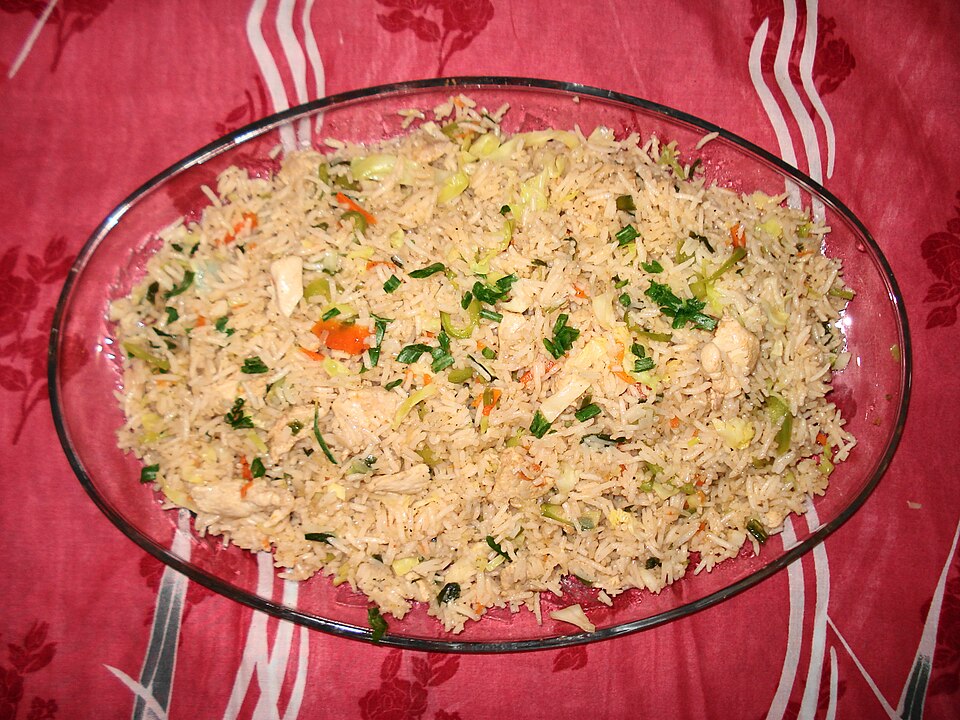
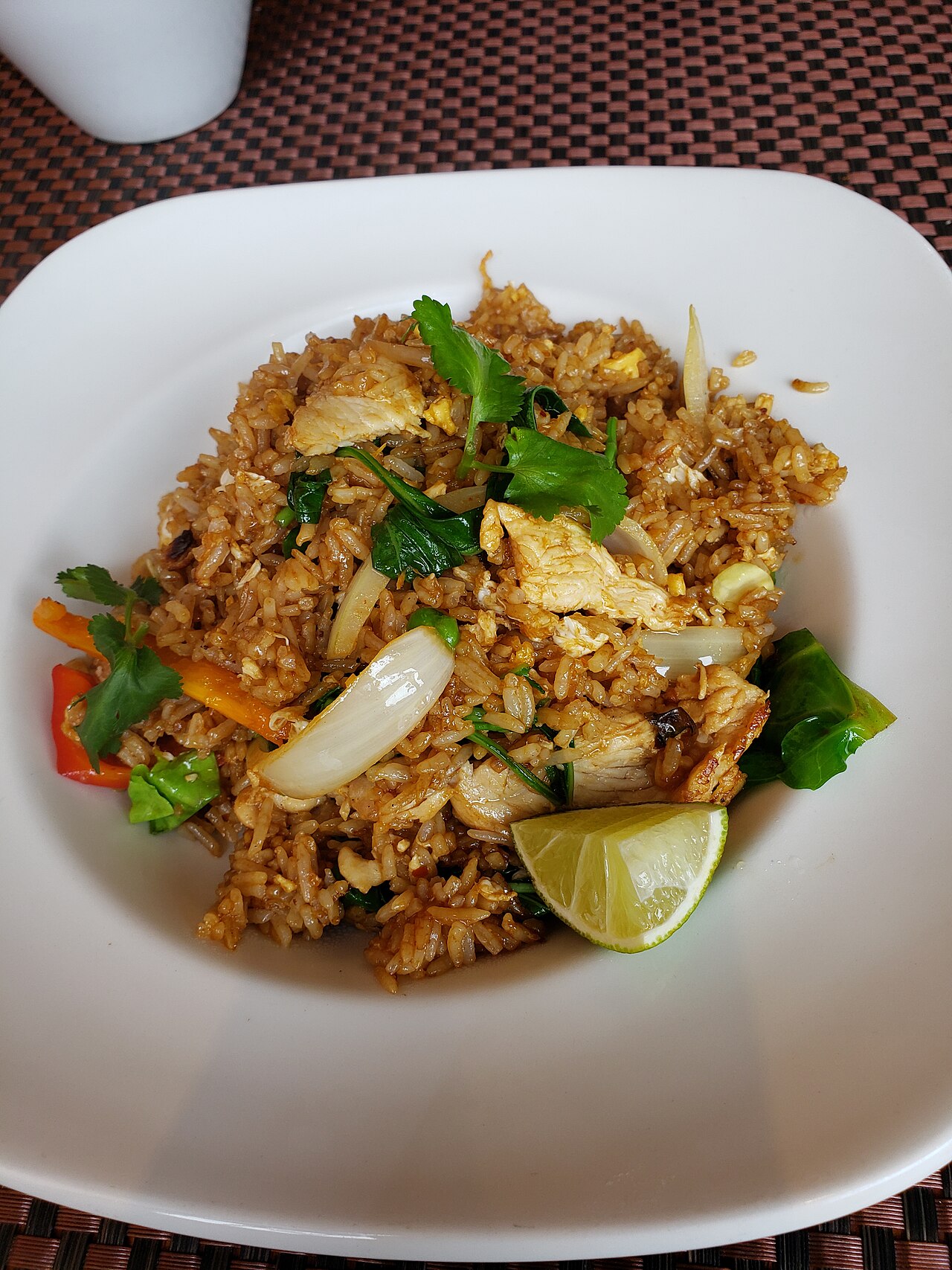
Chilled rice helps fried-rice texture only when stored safely
A chilled grain tends to have a drier more separated surface, which is useful in a quick hot pan. Break clumps before frying and work in small batches so the food becomes steaming hot throughout. Rice left on a counter overnight is not a safe shortcut to the same texture. If using freshly cooked rice for a planned meal, spread and handle it safely according to the recipe rather than letting it sit indefinitely. Make only the quantity you can manage and do not repeatedly reheat the same batch.
Diagnose texture before blaming the variety
A wet clump may come from excess water, insufficient evaporation or heavy stirring, while a firm center may need more hydration. Scorched rice suggests the base dried while heat remained high. Note the pan, lid, weight of rice and water for the next attempt, changing one variable at a time. A different grain may ultimately be more suitable, but a useful record helps distinguish equipment effects from ingredient effects. Do not use a dessert’s glutinous rice as evidence that all sticky rice results are mistakes.
Choose the right next step
| Observation | What distinguishes it | Decision |
|---|---|---|
| Firm rice after the liquid disappears | The pan is dry while grains still resist at their centers. A tight or loose lid, pan width and simmer strength affect evaporation, so the same packet amount can behave differently in different cookware. | Add a small measured amount of hot water and continue gently where the method allows it. Record the equipment for the next attempt. More oil cannot supply the missing water inside a firm grain. |
| Soft rice intended for frying | A wet clump is a texture problem, but a safe handling history remains the first requirement. Leaving cooked rice on a counter overnight is not an acceptable drying method. | Cool promptly in shallow portions and refrigerate according to food-safety guidance. Break safe chilled clumps gently before frying and use a manageable batch. Reheating does not reliably repair problems created by prolonged unsafe storage. |
| The grain is wrong for the dish | Loose long-grain rice, cohesive short-grain rice and glutinous rice have different useful behaviors. A grain that is excellent beside a curry may not hold an onigiri shape or steam like dessert sticky rice. | Choose the named type before adjusting water ratios. When making a deliberate substitution, use a method for that grain and describe the changed result. Do not diagnose every sticky preparation as a failure or promise identical results from all varieties. |
A practical checklist
- Match the rice variety to the dish.
- Measure water after the prescribed rinse and drain.
- Use an appropriate lid and avoid repeated peeking.
- Rest before gently lifting the grains.
- Cool leftovers promptly, ideally within one hour, and follow chilled storage guidance.
Related questions
Does reheating make rice left out overnight safe?
No reliable safety claim can be made from reheating alone. Poor storage can create hazards that heating does not necessarily remove. Do not use smell or appearance to justify rice with an unsafe handling history.
Must fried rice use yesterday’s rice?
No. Properly cooled chilled rice is convenient for texture, but the important points are separated grains and safe handling. A recipe can use freshly cooked rice if its moisture and cooling process are managed appropriately; leaving it unrefrigerated overnight is not required.
Can I reheat rice more than once?
Follow the Food Standards Agency advice to reheat only once and make it steaming hot throughout. Portion before storage so you warm only what will be eaten, rather than repeatedly heating and cooling a large container.
Further reference: Food Standards Agency: Home food fact checker.
Written as a practical editorial guide. We do not claim personal test results or professional qualifications. Read our editorial approach.