Italian cooking
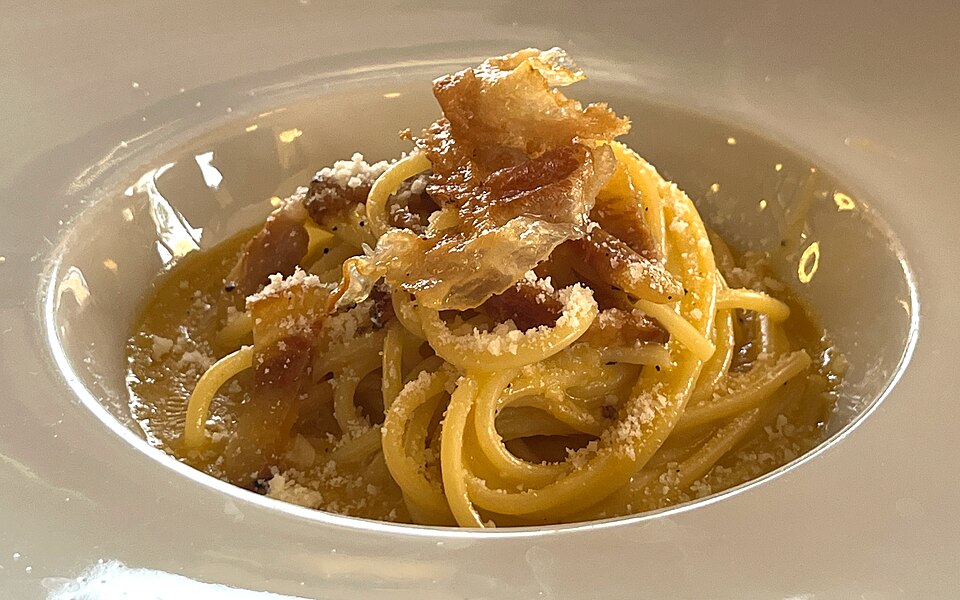
Why Carbonara Scrambles — and How to Keep the Sauce Silky
Diagnose heat, water and cheese problems before they turn a simple pasta into a frustrating pan.
Twelve practical guides to ingredients, texture and the moments that make a recipe work. Start with a problem you want to solve.
Diagnose heat, water and cheese problems before they turn a simple pasta into a frustrating pan.
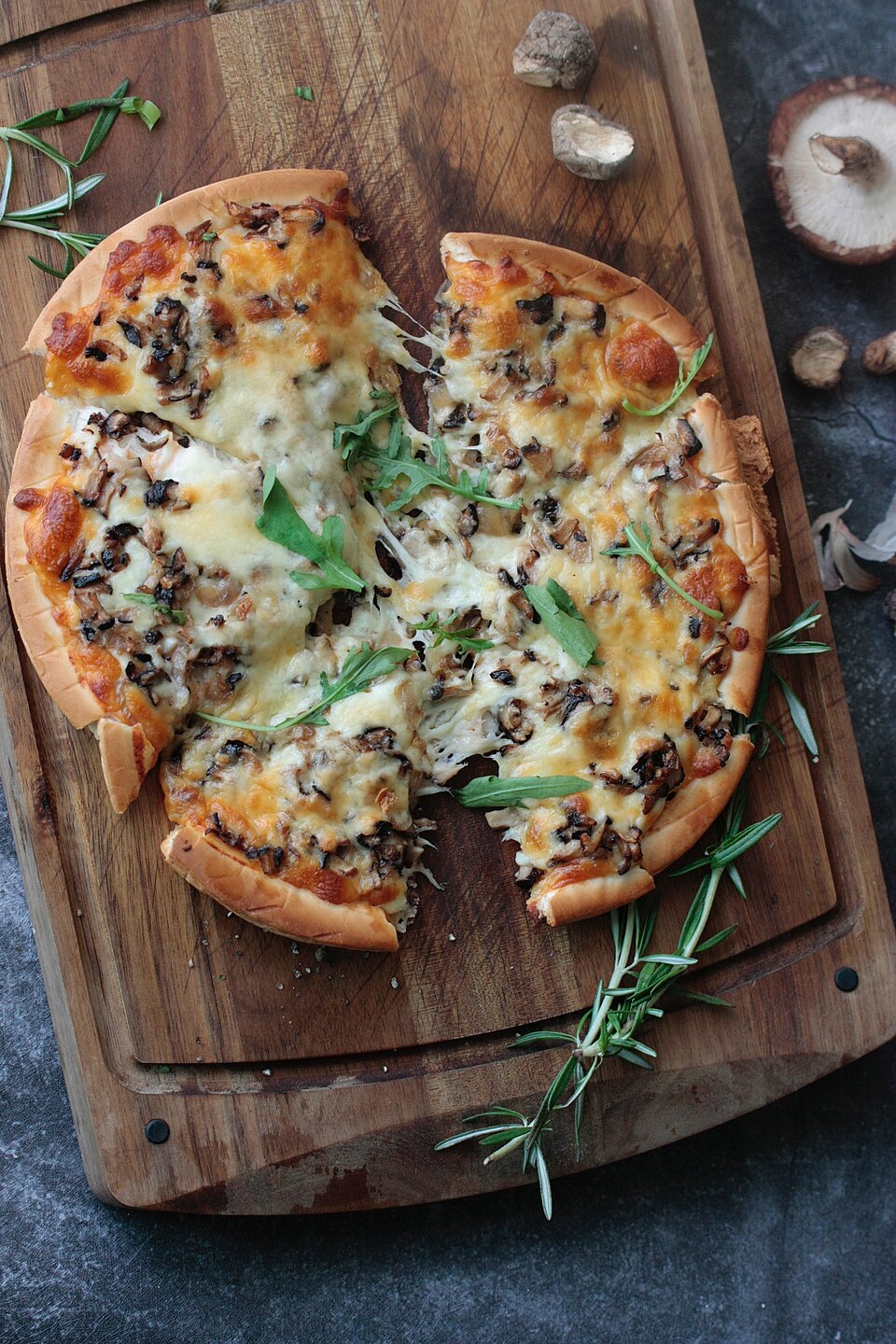
Make equipment and dough decisions that suit a domestic oven instead of copying a very hot pizza oven blindly.

Learn the difference between an undercooked grain and a sauce that simply needs its final adjustment.

Separate a loose filling from oversoaked biscuits, then choose the correction that matches the problem.
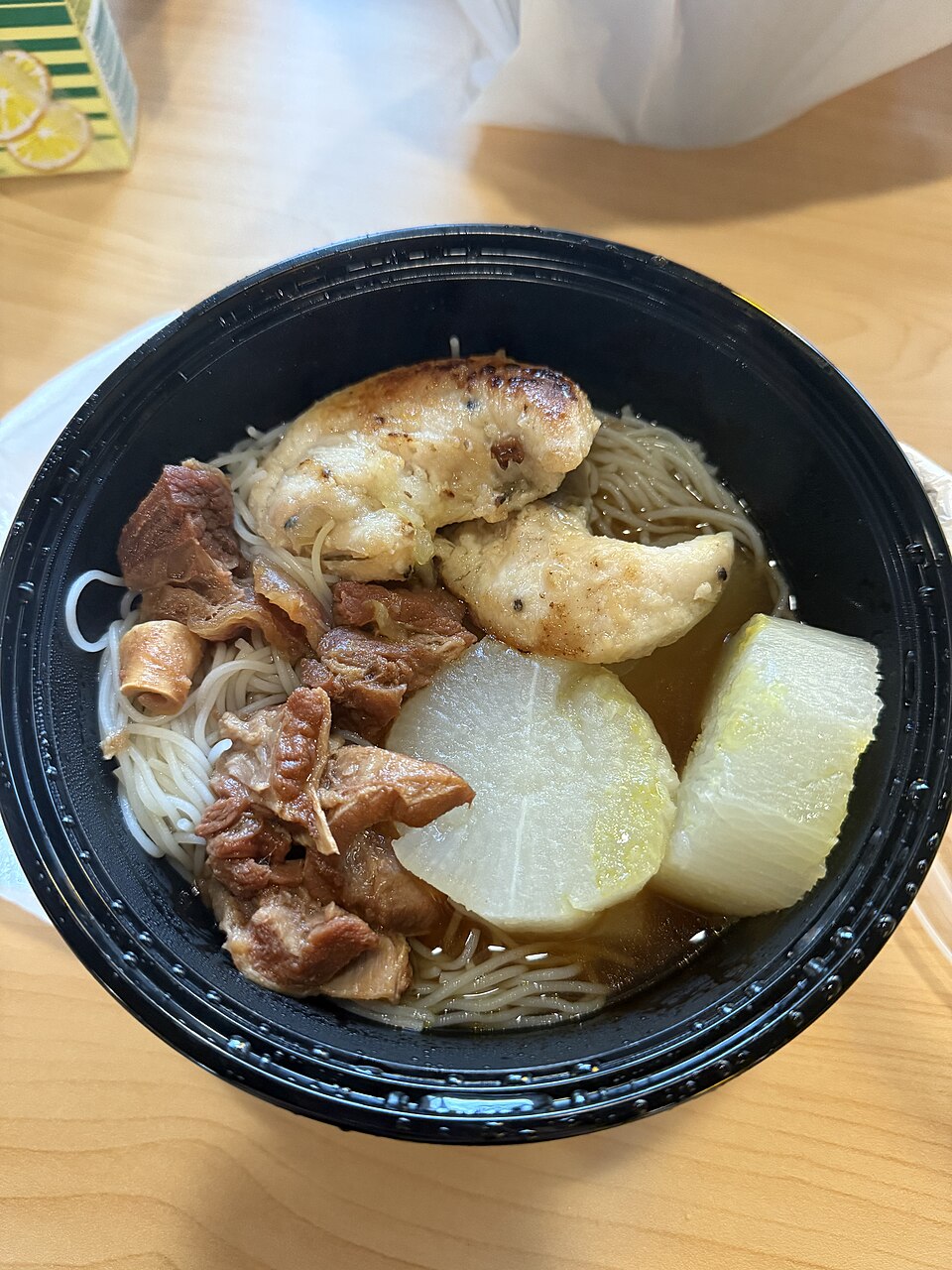
Choose a method by noodle thickness and the final dish, rather than treating every rice noodle like wheat pasta.
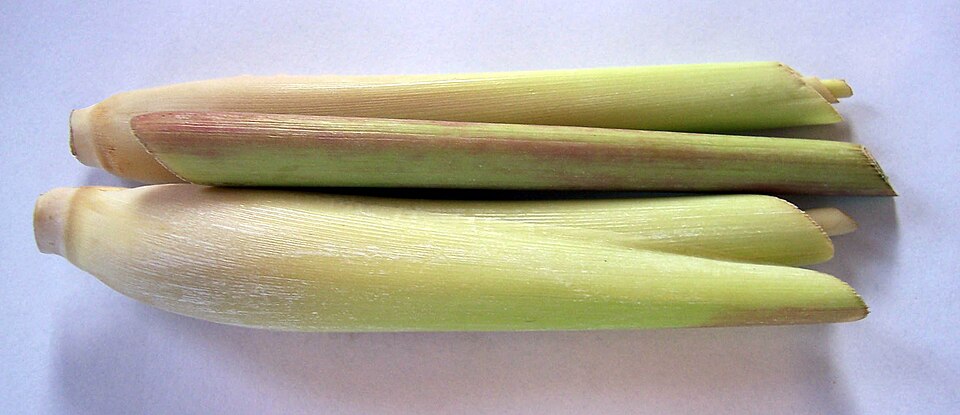
Buy a small useful collection, understand product strength and make substitutions without hiding the trade-offs.
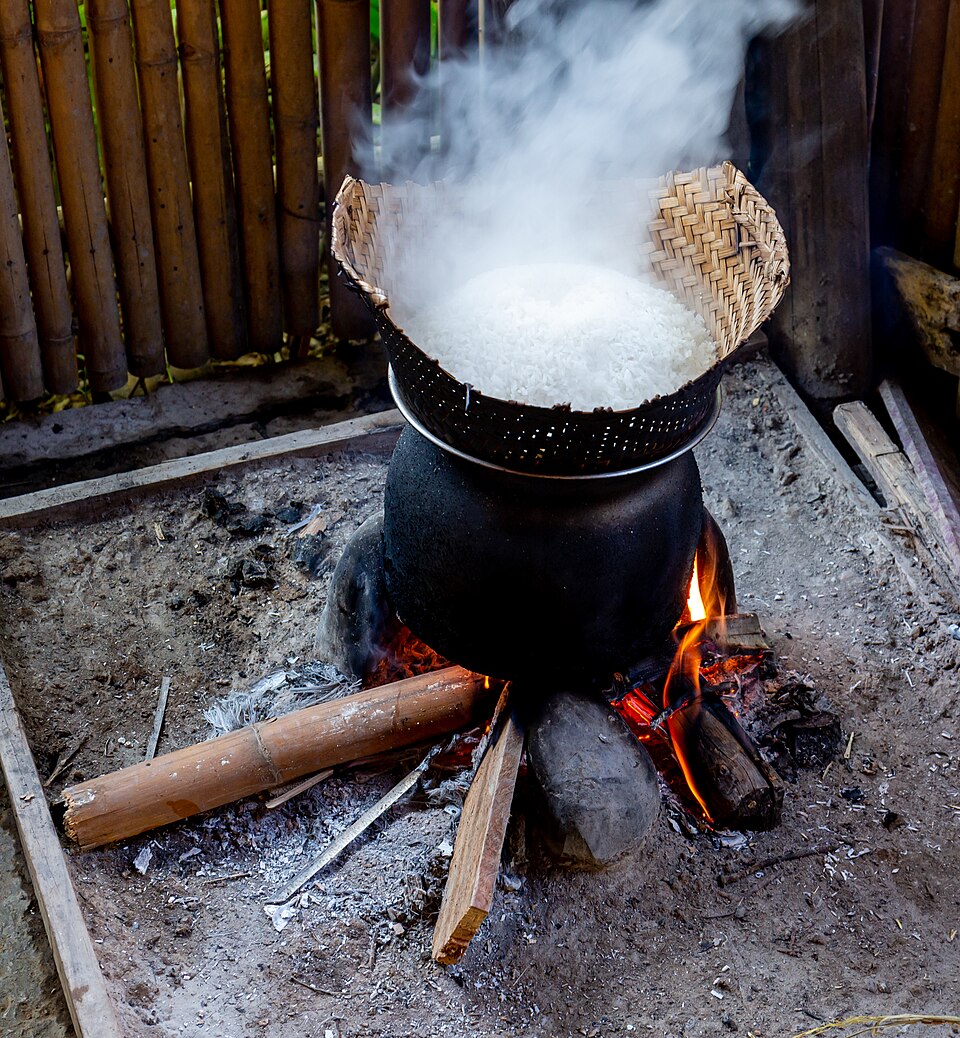
Choose the right grain and method, then protect both the eating quality and the storage conditions.
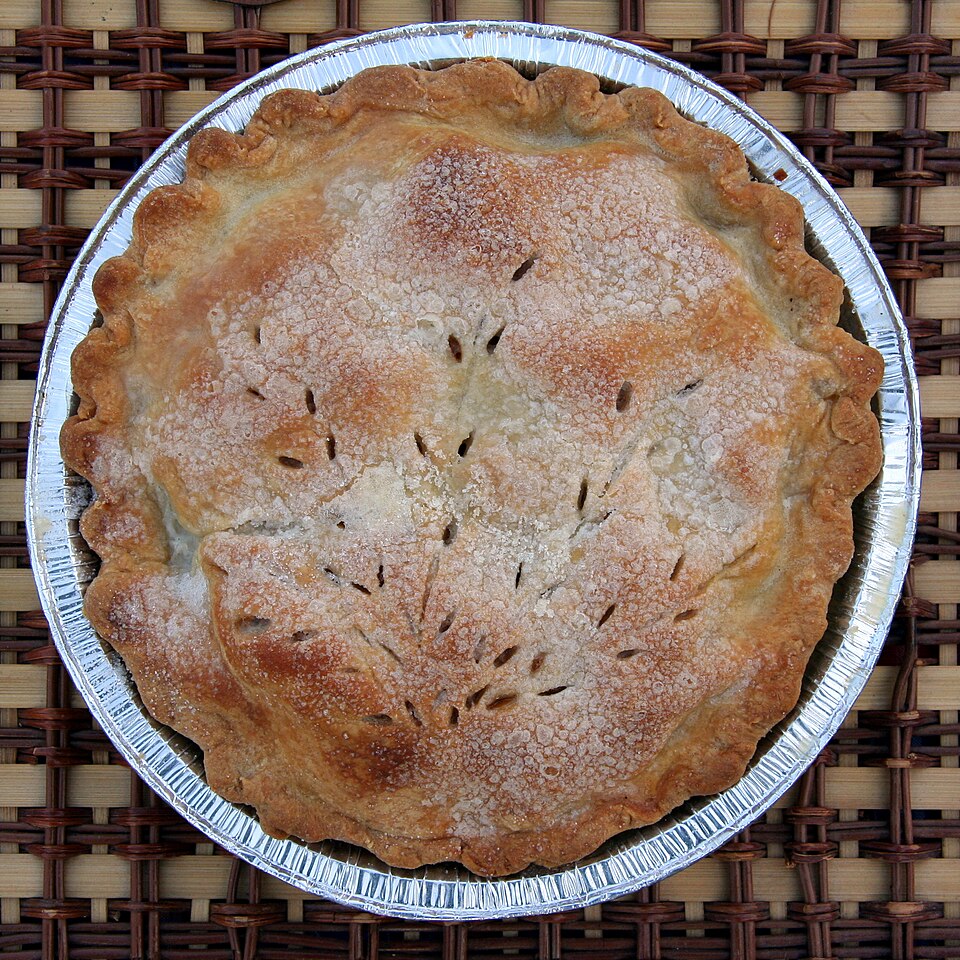
Understand where moisture enters a crust and why a golden top does not always mean the base has baked.
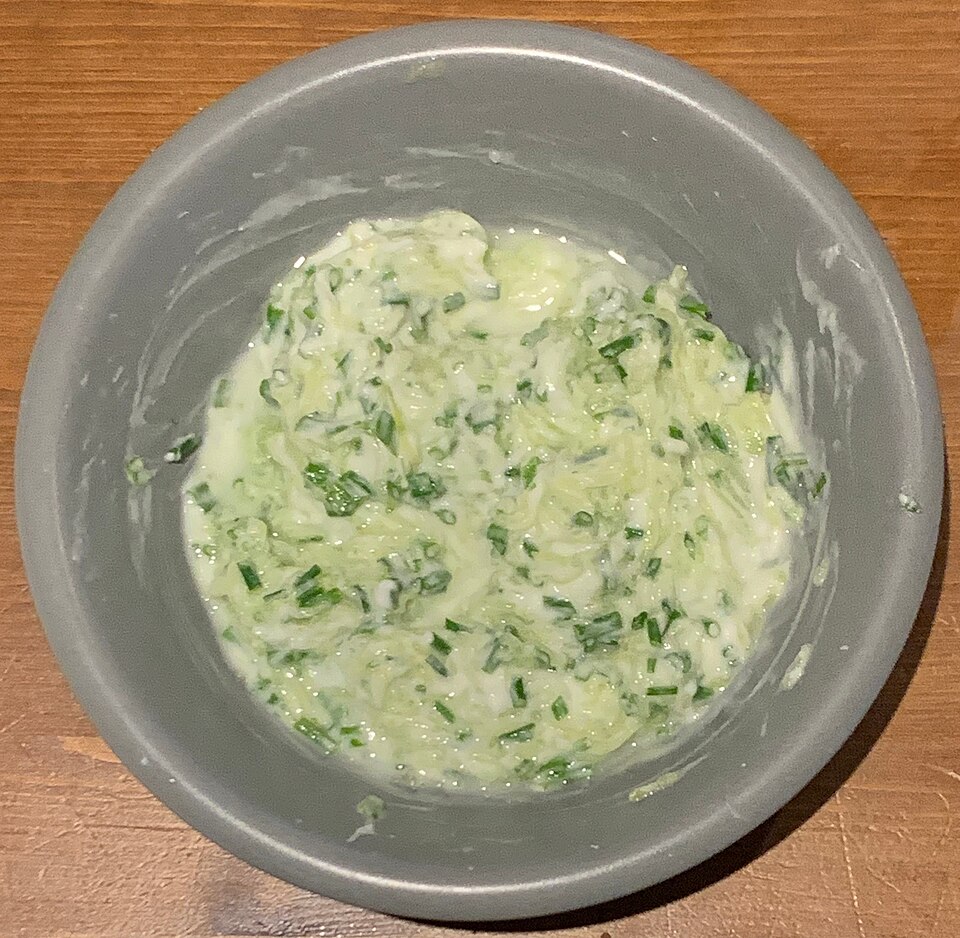
Make a useful distinction between a cold strained-yogurt dip and yogurt added to a hot curry.
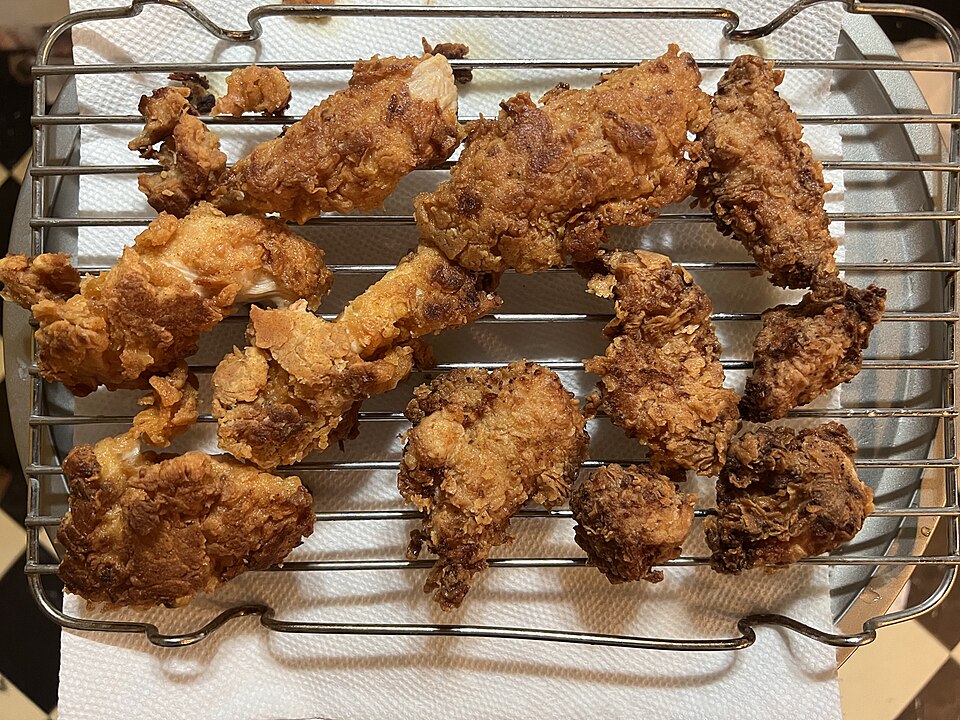
Use temperature and moisture observations to improve fried chicken, dumplings and croquettes without guesswork.
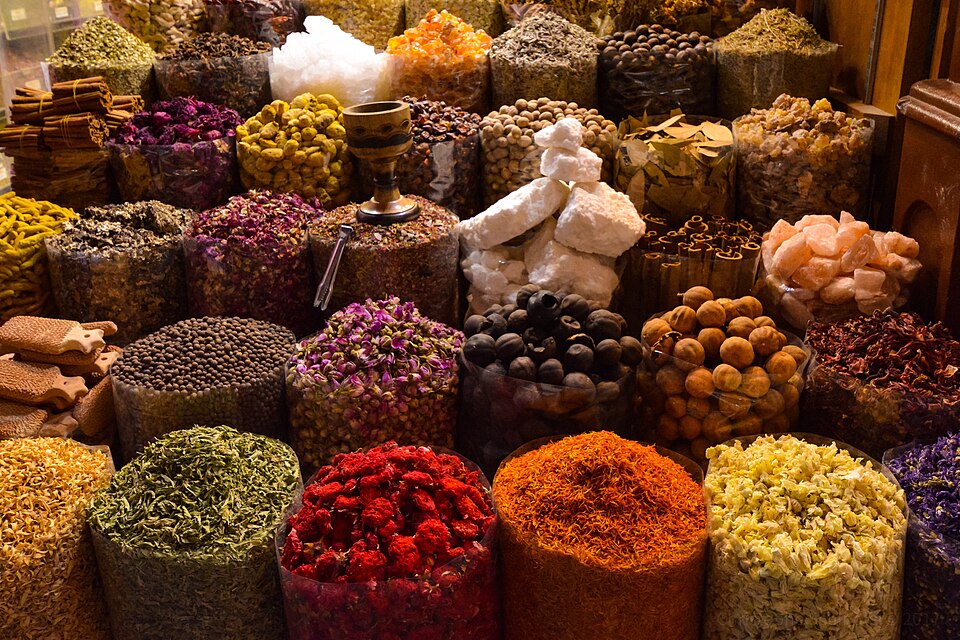
Build aroma in stages and know when the next splash of liquid needs to be ready.
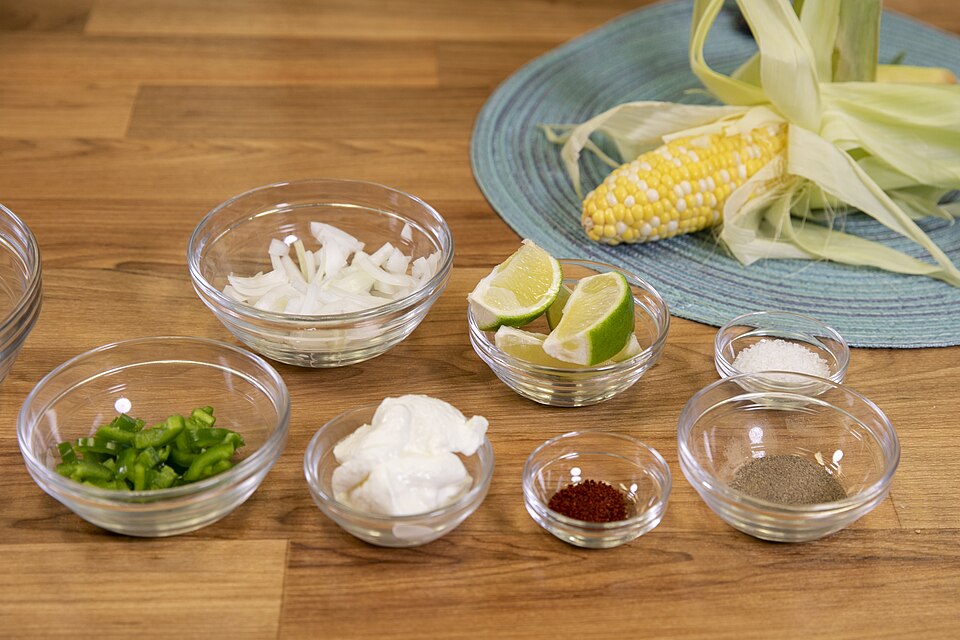
Match function, moisture and intensity, then explain what changes instead of promising that every swap is identical.