The short answer
Use the food-specific oil temperature and a manageable batch, then let the oil recover between batches. A golden coating does not prove the center is cooked: check thick meat and filled foods separately, and drain on a rack so steam can escape.
Choose the recipe’s temperature rather than one universal number
A thick bone-in chicken piece and a thin vegetable tempura need different time-and-temperature balances. Hotter oil can color the surface before a dense center cooks, while oil that is too cool extends the oily soft stage. Use the temperature specified for the food and equipment. An oil thermometer is more informative than dropping in a breadcrumb and guessing from its speed. Keep the probe placed according to its instructions and away from direct contact with the pan base, which can read differently from the surrounding oil.
Prepare a dry route from coating to draining
Before heating, arrange the coated food, tongs, clean cooked-food rack and serving area. Wet tools and dripping ingredients can make hot oil spit. Keep raw-meat trays separate from the finished rack so the same tongs or surface do not undo careful cooking. Coating flour that has touched raw chicken should not return to the pantry. If the recipe needs a short coating rest, use that interval to complete the setup rather than leaving the hot oil unattended while searching for equipment.
Read oil temperature during the batch, not only before it
A thermometer reading at the moment food enters does not describe the rest of the fry. Cold pieces draw heat from the oil, and a small pan or weak burner may recover slowly. Add a manageable batch, watch the change and adjust gradually rather than turning the control fully up in response to the first drop. That aggressive correction can overshoot as the batch warms or leaves the pan. Before the next batch, remove loose scorched crumbs safely and confirm the oil has returned to the recipe’s working range. Compare piece size as well as quantity; several small vegetables are not the same load as several thick chicken pieces. Keep the probe positioned according to its instructions rather than against the pan base. Oil temperature guides the coating process, while the center of meat or a filled item still requires its separate doneness check.
Separate coating color from center doneness
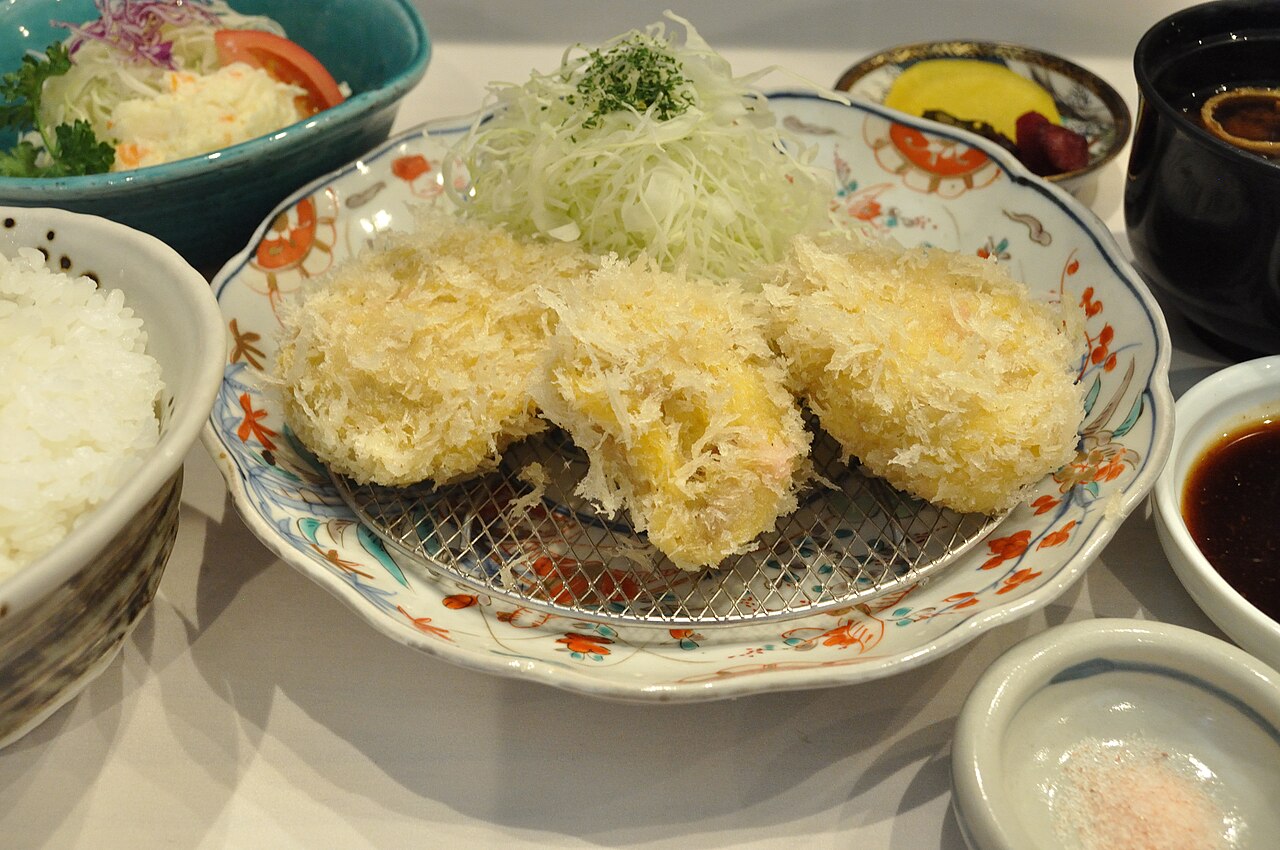
Golden crumbs indicate browning, not a guaranteed cooked center. Use a food thermometer for raw animal ingredients and probe the thickest area. For a filled dumpling or croquette, verify the filling rather than assuming floating proves readiness. If a large chicken piece has the desired crust but is not safely cooked inside, finishing on a rack in a suitable oven may protect the coating better than burning it in hotter oil. The next batch still needs a process adjustment so the same mismatch does not repeat.
Steam can soften a crust after a successful fry
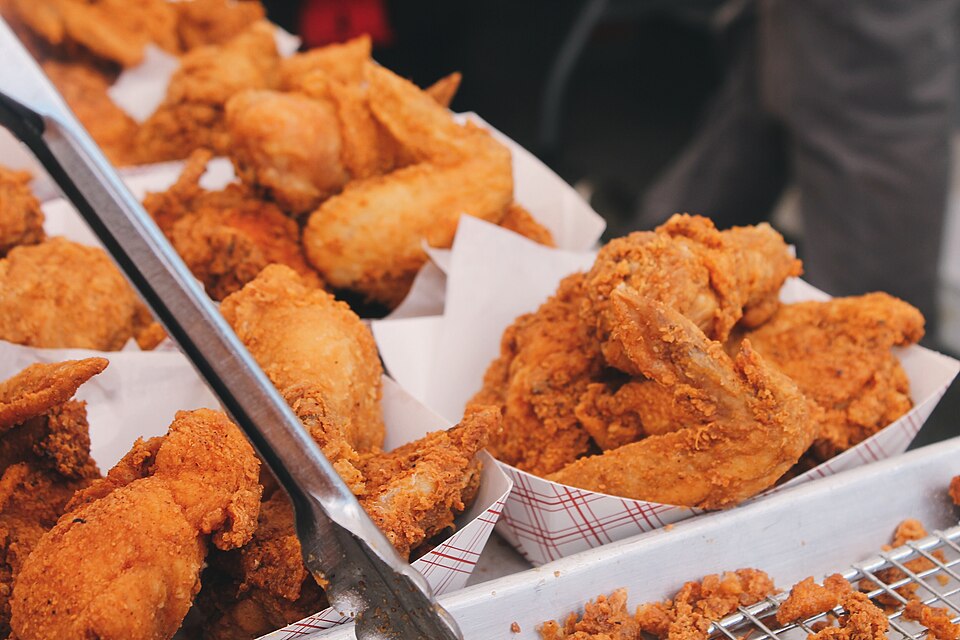
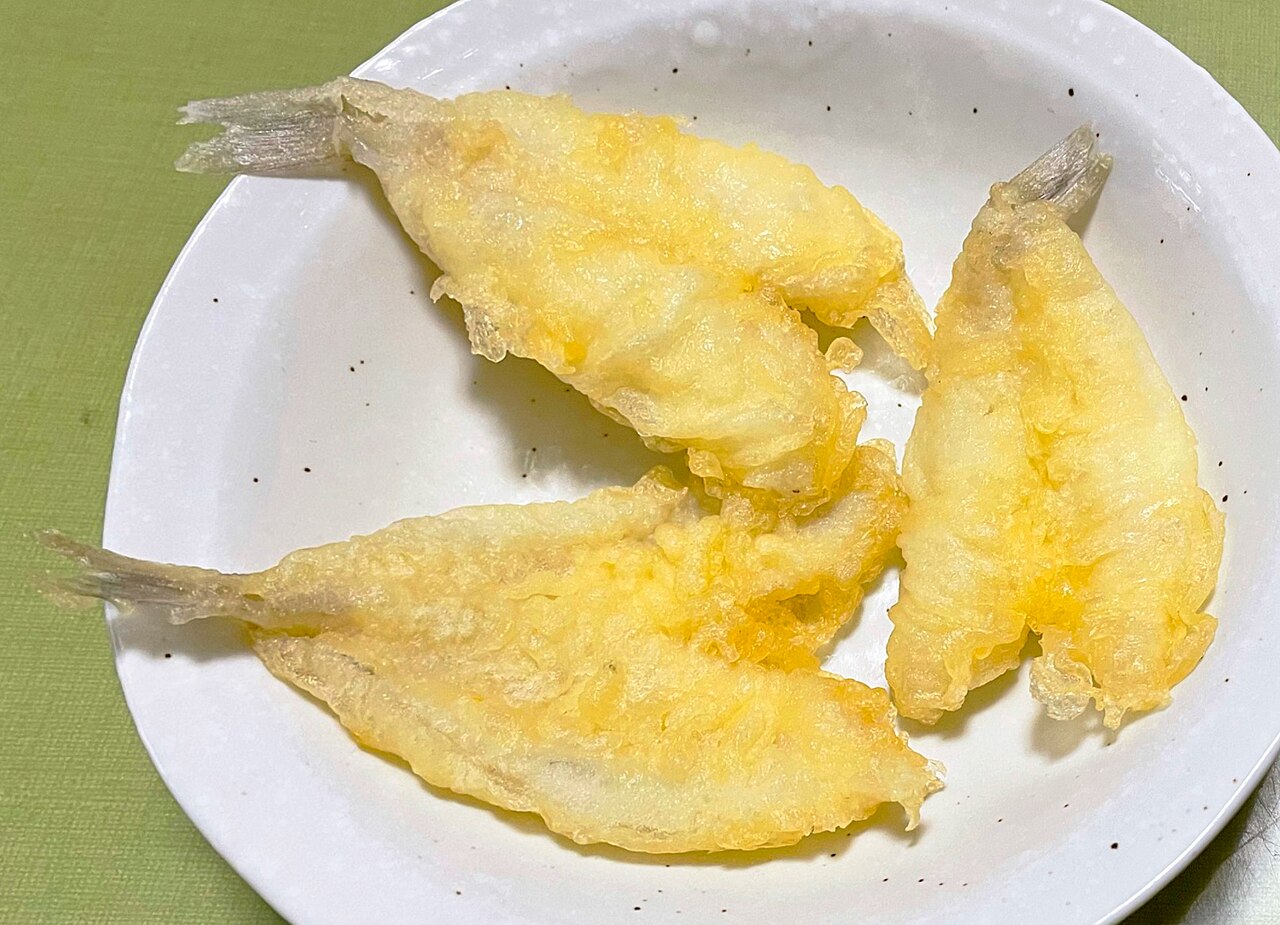
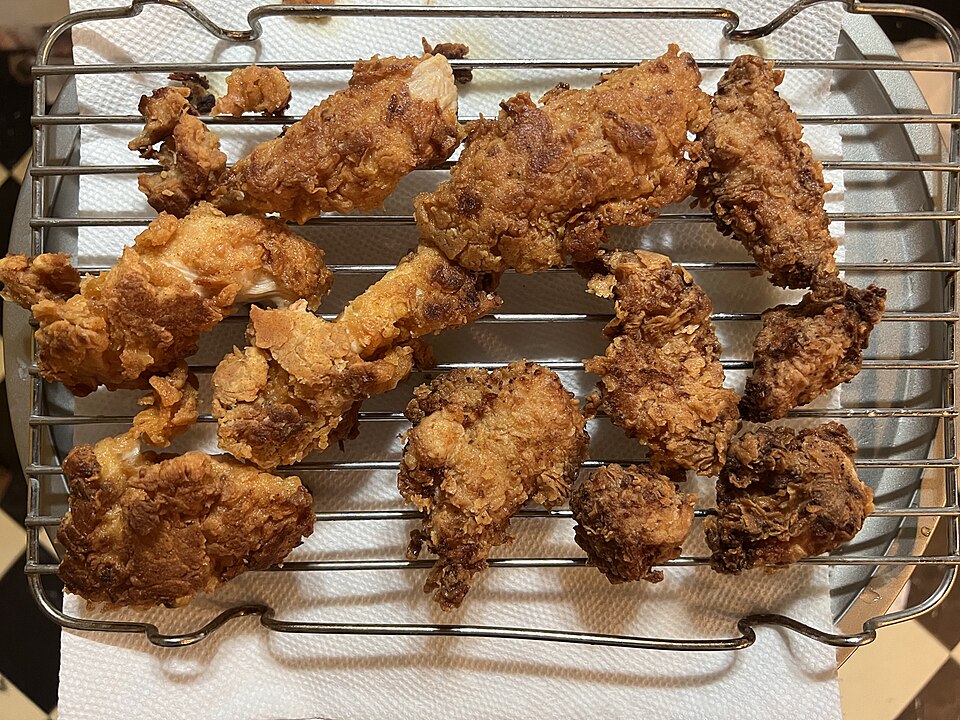
A rack lets air circulate beneath the food while steam leaves. Flat paper can absorb some surface oil but may also hold moisture against a large piece if it sits too long. Stacking or covering freshly fried food tightly makes condensation more likely. Keep a finished batch in a suitable warm oven only as long as needed, maintaining safe conditions where relevant. Serve fragile coatings such as tempura in successive portions rather than expecting a large covered pile to retain the same texture.
Use a double fry only where the method supports it
A second brief fry can drive more moisture from some starch coatings, as in certain sweet-and-sour pork methods. It is not a universal requirement for every fried food. Delicate custard-like fillings and very thin batters can respond differently, and a second cook can overdo the center. Follow the food’s specified resting and temperature stages. Do not describe refrying as a way to make an inadequately cooked or badly stored product safe without proper handling and an appropriate final temperature check.
Handle leftover oil after it is fully cool
Leave the pan stable and inaccessible to children while the oil cools completely. Strain reusable oil according to suitable food-handling guidance and store it in a clearly labeled container; do not pour hot oil into a plastic bottle. Discard oil that has deteriorated rather than expecting a filter to remove every off flavor. Never pour cooking oil down a sink. If oil catches fire, do not add water; turn off heat if safe and follow appropriate kitchen fire guidance instead of carrying the pan through the room.
Choose the right next step
| Observation | What distinguishes it | Decision |
|---|---|---|
| The crust colors before the center cooks | A thick food needs more time for heat to reach the middle than a thin batter or vegetable slice. A dark outside is not proof that raw meat or a filling is ready. | Use the food’s specified oil and internal temperatures. Finish a browned large piece in a suitable oven if needed, checking the center, and adjust the next frying batch. Do not keep increasing oil temperature to chase speed. |
| Later batches become greasy | Cold additions can hold the oil below its useful range, particularly in an overcrowded domestic pot. A thermometer reading before the first piece enters does not describe the whole batch. | Cook fewer pieces and allow recovery between batches. Keep coatings even and drain on a rack. Avoid turning the burner fully up without observation, because recovering oil can then overshoot and scorch the next batch. |
| A crisp coating softens after draining | Steam continues leaving hot food. A tight stack, a flat wet surface or a cover can trap that moisture against a crust that was properly fried. | Give pieces space and airflow while serving, and add wet sauces late where appropriate. Follow safe holding requirements if the food must wait. Refrying is not a universal fix for overcooked centers or unsafe storage. |
A practical checklist
- Read the food-specific oil temperature and internal-temperature requirement.
- Use a deep stable pan with generous headroom.
- Dry ingredients and set up a clean draining rack.
- Observe temperature recovery after adding a small batch.
- Check the center separately from crust color.
Related questions
Does food floating mean it is cooked?
No. Buoyancy reflects several physical changes and does not verify the temperature of a raw filling or thick meat center. Treat it as one observation, then use the recipe’s actual doneness checks and a thermometer where appropriate.
Can I cover the pan to prevent splashes?
Do not improvise a tightly covered frying setup that traps moisture and makes handling unpredictable. Use dry ingredients, suitable headroom and careful lowering. Keep a suitable lid nearby for emergency use according to kitchen fire guidance, while never adding water to burning oil.
Why is my second batch darker than the first?
The oil may have overheated during recovery, loose crumbs may be scorching or the new pieces may be smaller. Recheck temperature between batches and remove burnt debris safely. A timer alone cannot compensate for changing oil conditions.
Written as a practical editorial guide. We do not claim personal test results or professional qualifications. Read our editorial approach.