The short answer
A pale base with a browned top calls for a check of surface preheating and oven position. A wet center also needs a check of dough thickness, tomato quantity and mozzarella drainage. Change one of these before the next pizza.
Read heat recovery separately from the oven display
The oven display describes its control setting, not the amount of heat stored at the surface where dough lands. A stone, steel and inverted bare-metal tray differ in mass, handling and recovery, so use the equipment instructions and preheat the chosen surface before dressing dough. The second pizza provides a useful comparison: if an unchanged small pizza has a paler underside immediately after the first, consider whether the surface had enough recovery time before increasing sauce reduction or changing flour. If every pizza has a dark top and pale base, look at shelf position and bottom heat instead. Keep size and topping portions comparable while making that decision. A surface too awkward to load safely is not a practical improvement merely because it gets hotter. Check temperature ratings for the tray, peel and any paper, and keep the loading route clear before opening the oven.
Stretch to a consistent center thickness
A thick center takes longer to bake than a thin one and can remain gummy beneath a wet topping. Stretch a relaxed ball outward from the middle, preserving a slightly fuller rim. If the dough snaps back repeatedly, cover and rest it rather than tearing it wider. Flour the work surface lightly and lift the dough occasionally so it does not stick. A large layer of bench flour can leave a dusty underside, while aggressive rolling squeezes out a different amount of gas than hand stretching.
Fermentation is judged by development as well as time
Room temperature, dough temperature and yeast strength change how quickly a dough rises. Refrigeration slows development but does not stop it instantly; a large warm dough mass takes time to cool. Give the portioned balls enough room and bring them back toward workable room temperature before stretching. A cold tight ball resists, while an over-fermented weak one may tear easily. A useful dough has some aeration and elasticity and can be stretched without either fighting constantly or flowing apart like a batter.
Treat tomato and mozzarella as sources of water
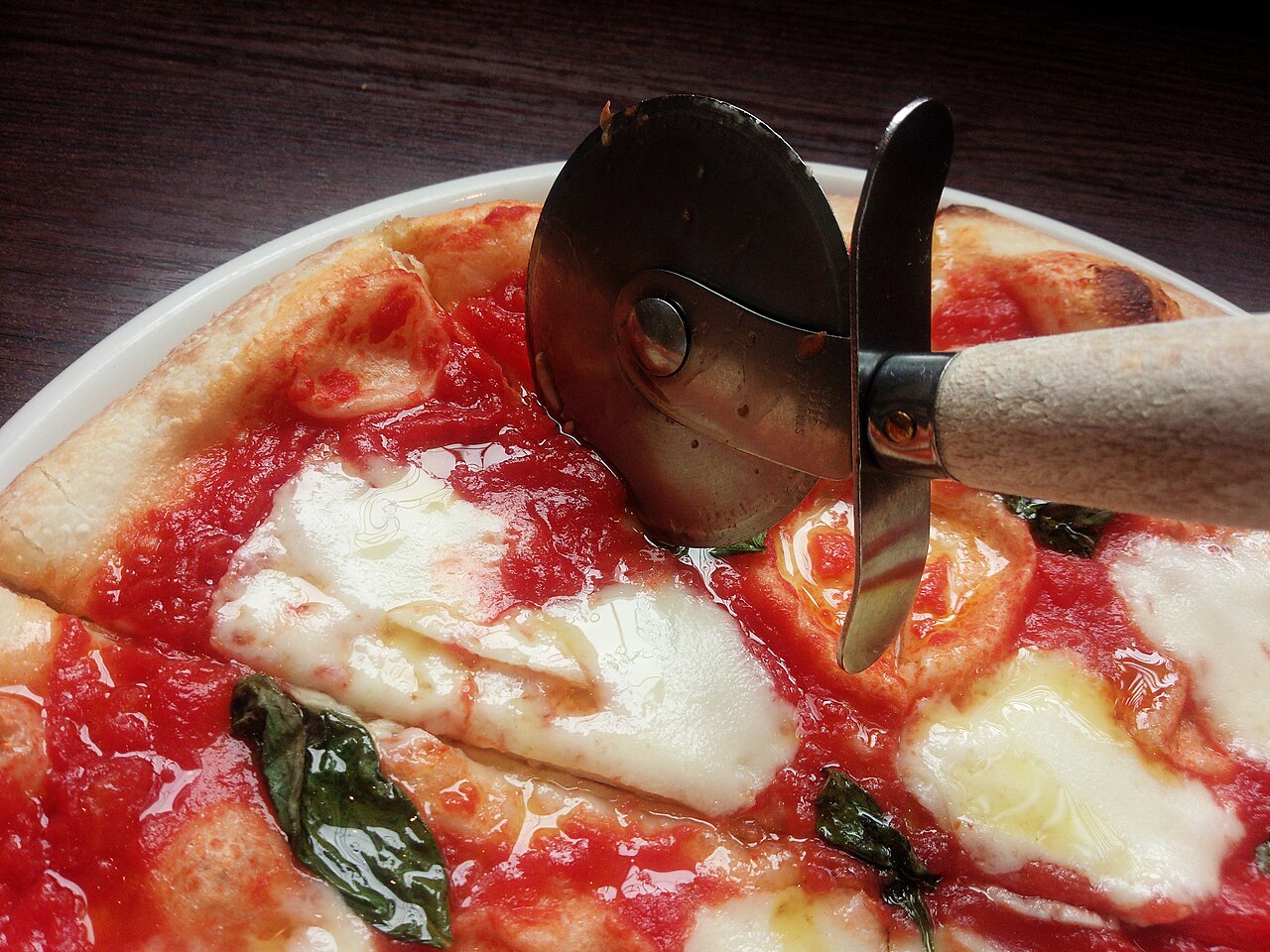
A spoonful of sauce and a handful of fresh cheese both release moisture. Spread a thin tomato layer with a clear uncovered rim and drain mozzarella before tearing it into small pieces. A domestic oven usually cooks more slowly than a dedicated high-temperature pizza oven, so restraint helps the base dry before the toppings flood it. Avoid covering every visible patch with cheese. If the sauce is exceptionally watery, strain or reduce it before assembly rather than expecting the dough to absorb the excess.
Launch quickly and keep the dough moving
A dressed pizza that waits on its peel gradually absorbs moisture and can stick. Prepare toppings, heat the surface and have the oven path clear before dressing the dough. Use an appropriately rated peel, or build on suitable baking paper if your equipment allows it, observing the paper’s temperature limit. Shake gently before launching to check release. If the pizza is already stuck, loosen the edge carefully rather than jerking a heavy load of topping toward a hot oven.
Read the base before changing the topping
Lift an edge with a suitable tool and look underneath. A pale wet underside with a browned top points to insufficient bottom heat, too much moisture or an overly thick center. A dark base and pale top suggests the opposite heat imbalance. Adjust shelf position or surface preheating on the next pizza rather than changing yeast, sauce, flour and temperature together. Bake one pizza at a time for the clearest first reference, and let the surface recover between batches.
Keep topping variations compatible with the bake
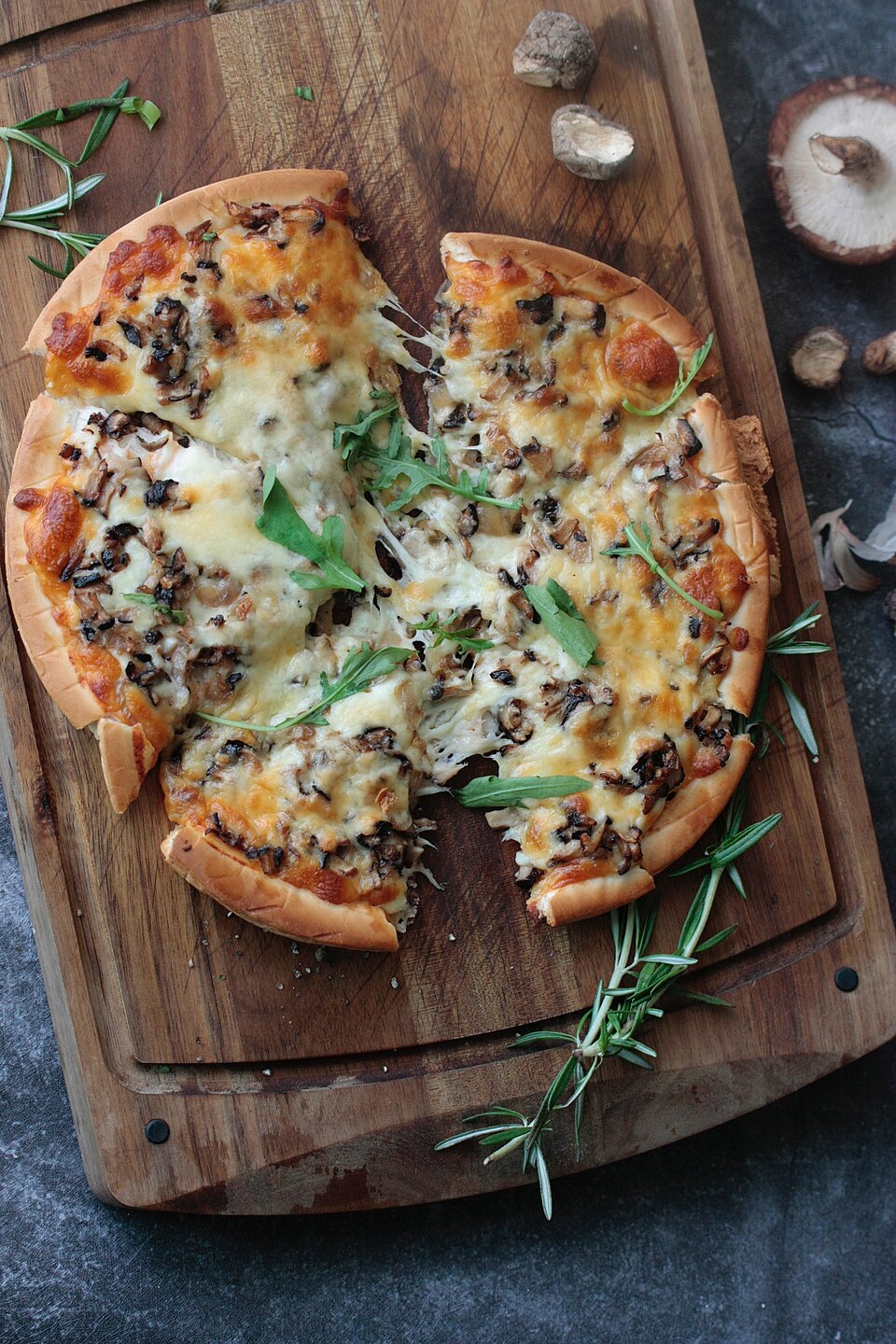
Raw mushrooms, courgette and large tomato slices can add significant water. Cook or drain watery additions first where appropriate, and keep the topping layer light. Ingredients that scorch quickly can be added later or after baking. Basil added at the end retains more fresh aroma than leaves held under strong heat throughout. A deeply loaded pizza is not simply a more generous Margherita; it has different moisture and heating needs and may benefit from a different dough style.
Plan dough quantities and the meal together
The ZYS10 dough makes four small pizzas, which are baked successively on most home equipment. The quoted bake interval is per pizza, and fermentation happens well before cooking. Serve in rounds while sharing a salad or starter, rather than leaving the first pizza sealed under foil until the fourth finishes. A wire rack can protect the underside during a brief rest. Cut and eat promptly; steam trapped on a flat plate gradually softens even a well-baked base.
Match the support to the way you will load the pizza
A steel, stone and inverted metal tray are alternative cooking surfaces, not identical purchases with interchangeable handling rules. A steel or stone usually stays in the oven while a peel transfers the dough; a light tray may be easier to remove and load, but loses heat during that operation. Decide the loading route before the surface becomes hot. If using baking paper, check its rated temperature and the equipment instructions; do not assume paper is suitable near an exposed grill element. The useful comparison is release, heat recovery and safe access in your actual oven. A surface that is awkward to load repeatedly may undermine the meal more than a small difference in browning.
Choose the right next step
| Observation | What distinguishes it | Decision |
|---|---|---|
| Top browned, base pale | The upper and lower surfaces are receiving different amounts of useful heat. More cheese or yeast does not address this heat balance. | Check that the baking surface was fully preheated. For the next pizza, adjust shelf position or surface recovery while keeping dough size and toppings steady. |
| Base dark, center wet | Strong bottom heat can coexist with a thick center or too much water from sauce and fresh cheese. | Keep the next center evenly thin and drain the topping. Avoid solving this by scorching the bottom longer while the same wet topping remains. |
| Dough tears before loading | A cold resistant ball, an over-developed weak ball and a dressed pizza stuck to the peel are different handling problems. | Inspect before adding toppings. Rest a resistant ball covered; handle a weak ball gently and make a smaller round. Dress only when the surface and loading route are ready. |
A practical checklist
- Check the temperature rating of the tray, stone, steel and paper.
- Preheat the surface fully before stretching the final dough.
- Relax a resistant ball instead of forcing it thin.
- Drain cheese and use a thin sauce layer.
- Launch soon after dressing and check the underside during baking.
Related questions
Will more yeast give a better pizza?
More yeast changes the fermentation schedule rather than automatically improving flavor or texture. A dough planned for a long rest can overdevelop if the yeast is increased casually. Keep the recipe’s quantity for the first attempt and adjust according to actual development and kitchen temperature.
Can I fix a wet pizza by adding more flour during stretching?
That does not address moisture released by the topping and can leave a floury base. First look at sauce quantity, cheese drainage, center thickness and surface heat. Extra flour is useful only in a restrained amount to prevent sticking during handling.
Do I need an expensive pizza oven?
No. A suitable domestic method can produce an enjoyable pizza, although the bake and crust differ from an extremely hot dedicated oven. Good preheating, a manageable size and restrained toppings are more useful first improvements than claiming identical results from very different equipment.
Written as a practical editorial guide. We do not claim personal test results or professional qualifications. Read our editorial approach.