The short answer
Find the moisture source before extending the bake. Drain or squeeze wet fillings, blind-bake a custard shell when specified, and check the underside as well as the top. A saturated crust is harder to repair than a dry shell that simply needs more baking.
Identify the pastry before choosing the fix
Shortcrust, puff pastry and filo are different structures. Shortcrust needs restrained handling and often a preliminary bake under a wet custard. Puff pastry needs distinct fat-and-dough layers that can expand, while filo relies on extremely thin sheets separated with a little fat. A trick suited to one is not automatically useful for all. Adding more flour to a wet spinach filling, for example, is not the same solution as properly squeezing the spinach before it reaches filo. Begin with the pastry type and the moisture source, not a universal rule.
Remove free water before assembly
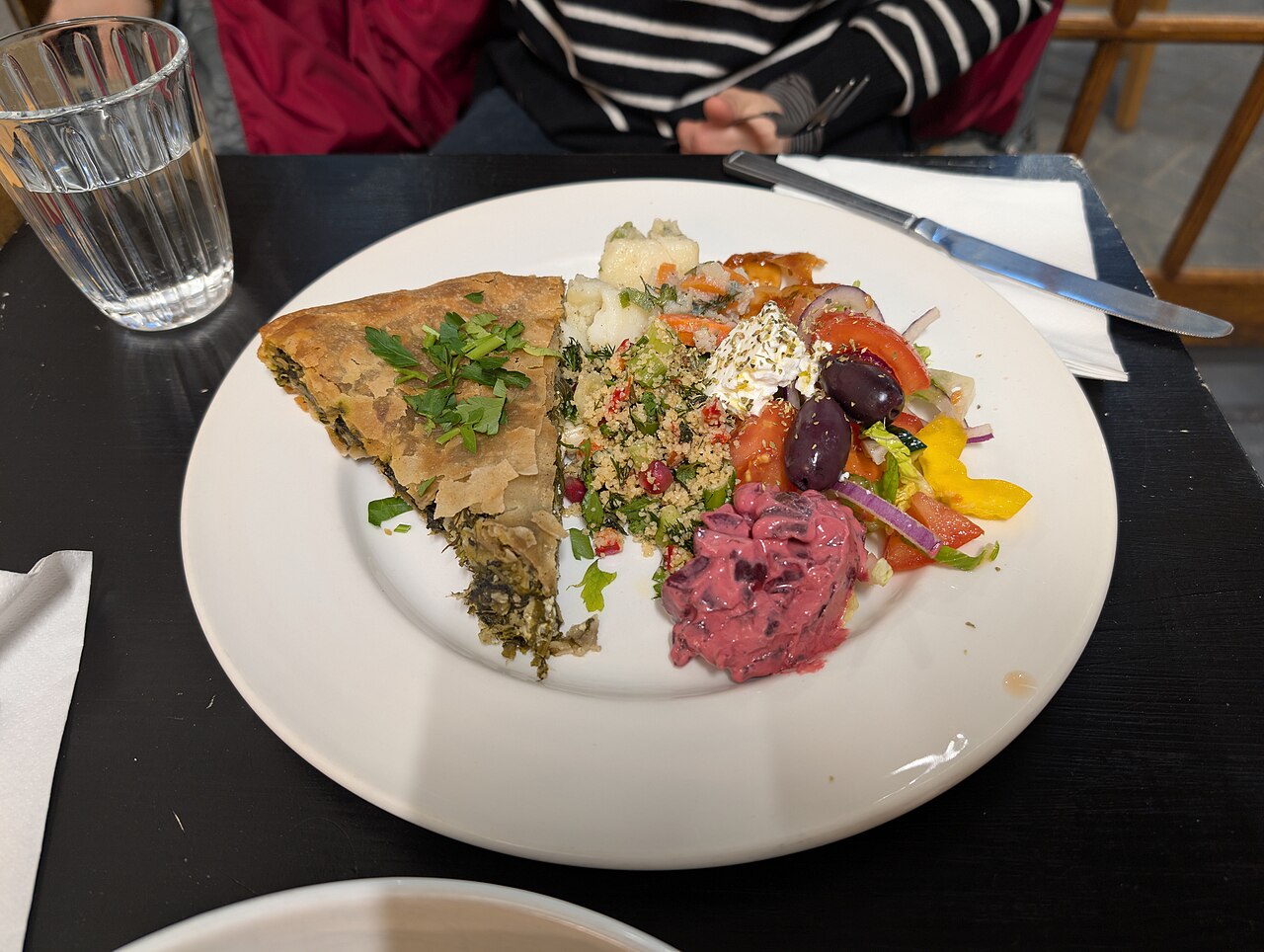
Cooked spinach should cool enough to squeeze safely, and mushrooms or watery vegetables often benefit from a separate cook to evaporate liquid. Fruit fillings need a specified balance of fruit, sugar and thickener rather than casual extra juice. A custard should contain the dairy and egg amounts the shell was designed to hold. These decisions happen before the oven. An attractive lid cannot stop a wet filling from saturating the lower layers, and prolonged baking may burn the top before enough moisture escapes from the bottom.
Blind baking gives a shell a head start
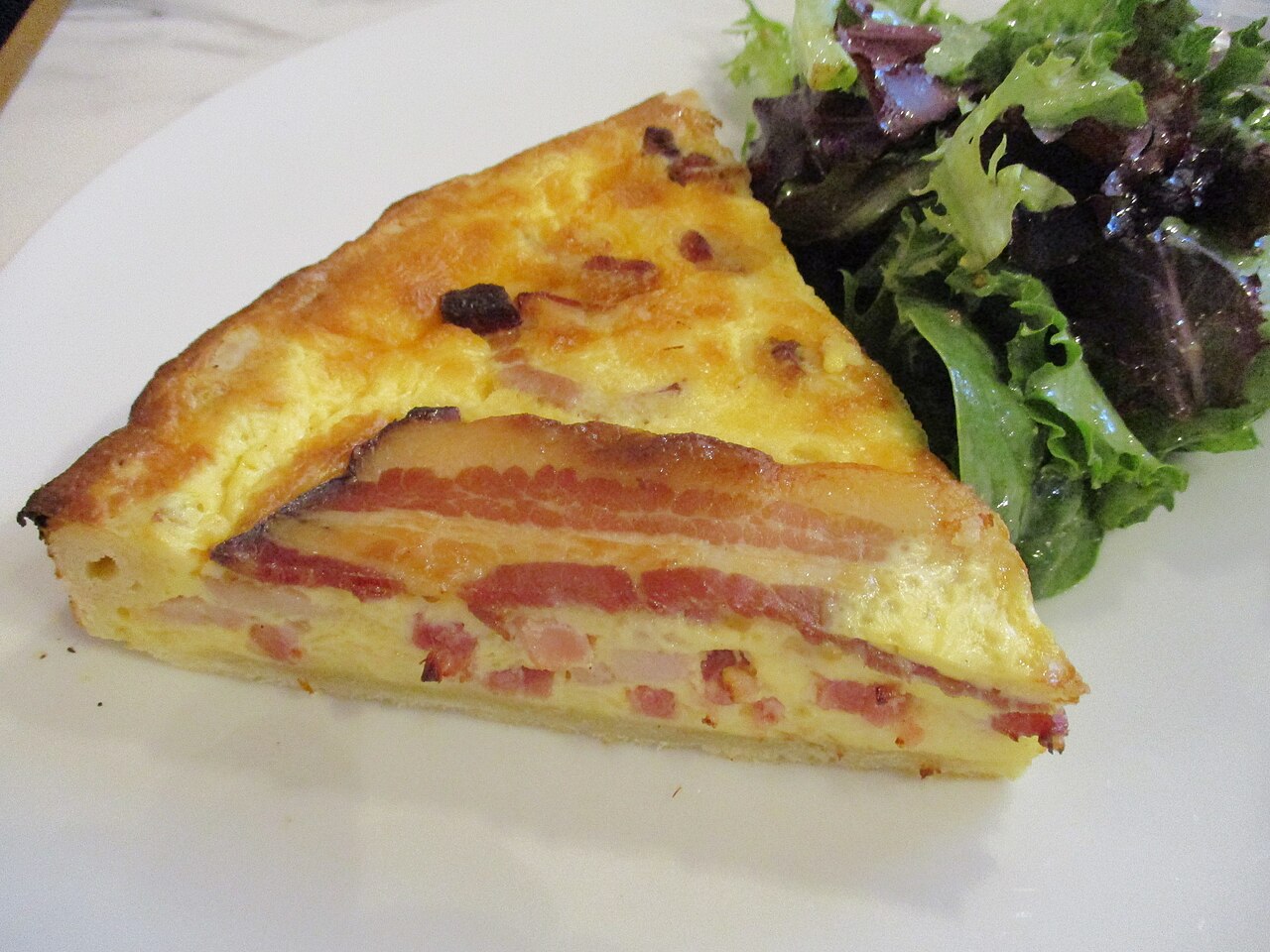
For quiche, line the chilled pastry with baking paper and suitable weights so the base and sides hold shape during the first oven stage. Remove the weights when instructed and give the base time to dry and color lightly before filling. Simply warming a pale shell briefly is not equivalent to baking it sufficiently. Keep the rim protected if it colors early. Do not stretch dough into the tin, because shrinkage can leave a low wall that cannot contain the intended custard volume.
Compare pan depth and material before extending the bake
Diameter alone does not describe a pastry container. A deep ceramic dish and a shallow metal tin can hold different filling amounts and expose different proportions of base and edge to heat. Keep the stated filling depth as close as practical when changing equipment, and use a tray for drips where the method requires it. A cold heavy dish can delay the base while the top begins coloring; a thin exposed rim may need shielding before the center is finished. Check these parts separately rather than reading the first brown patch as a whole-dish endpoint. If a removable tin allows safe inspection, examine the lower crust as well as the lid. Do not move an unsuitable glass or ceramic container onto a suddenly hot surface in an attempt to catch up: follow its temperature-change instructions. Adjust the equipment plan before adding extra thickener to a filling that may already be balanced.
Vent steam where the method expects it
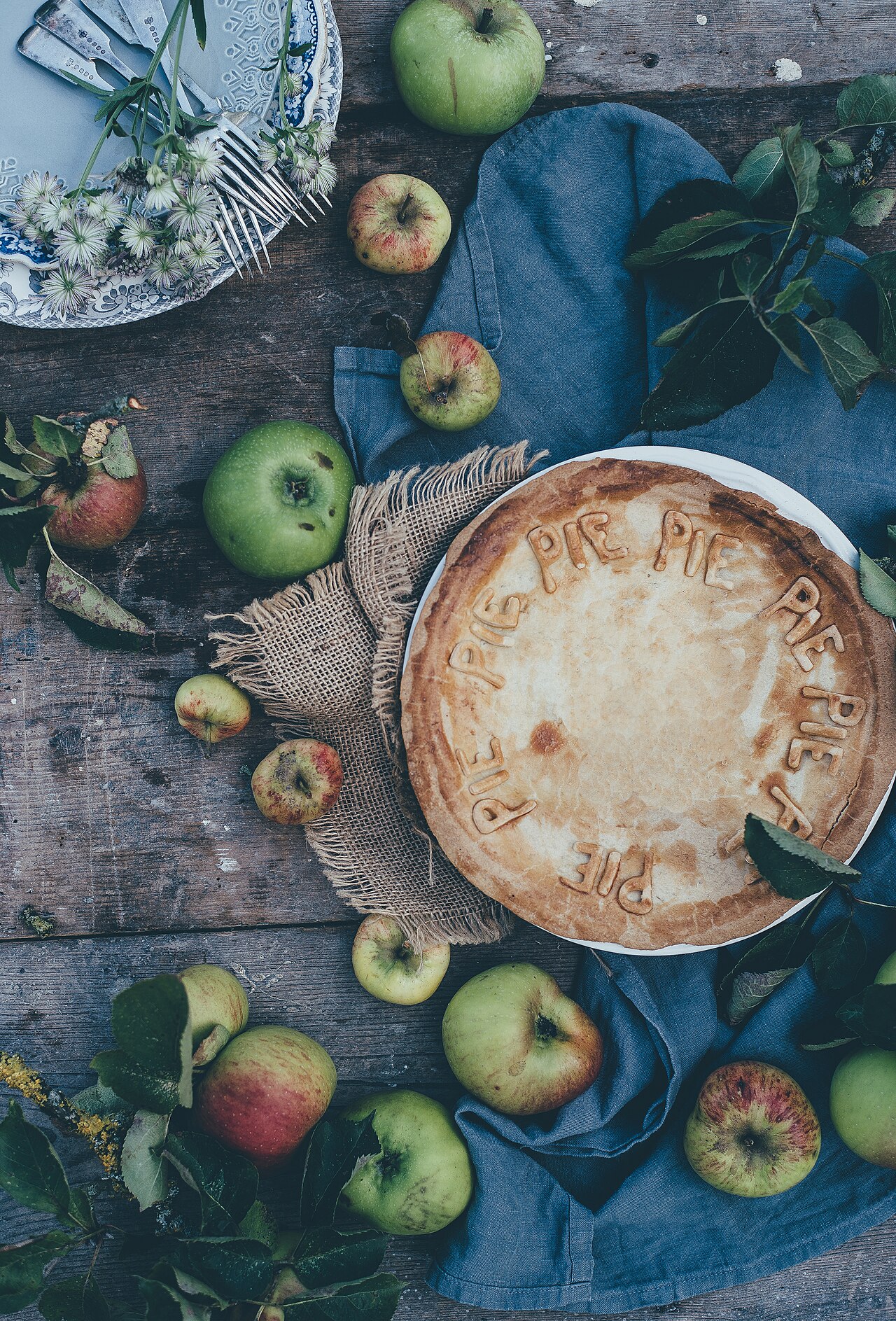
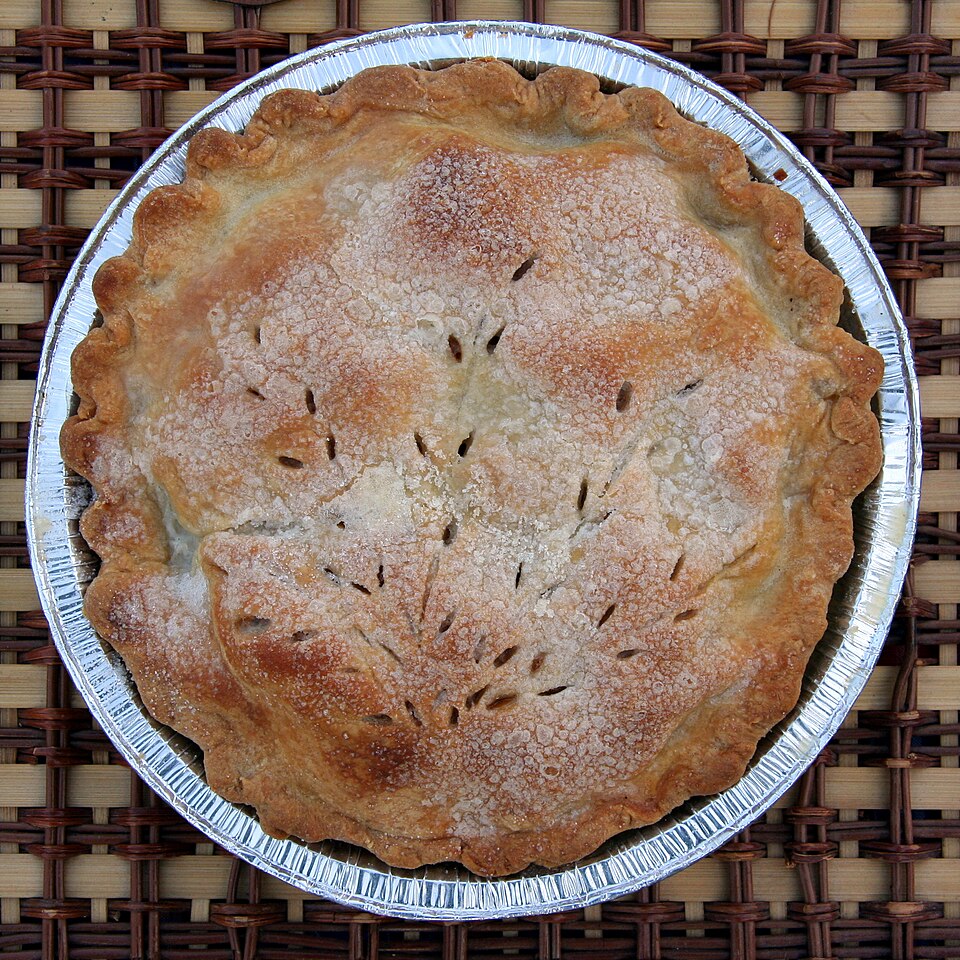
A covered fruit pie uses slits so vapor can escape rather than build under a sealed lid. Filo pies are often scored before baking for easier portioning and a clear path through their brittle top. A tarte Tatin is baked upside down, with pastry exposed above the fruit, so its moisture pattern differs from a deep covered apple pie. Follow the particular structure instead of sealing every edge and hoping the same timing works. Avoid unnecessarily opening the oven, which repeatedly disturbs the temperature.
Cooling can protect crispness or destroy it
A hot pie releases steam. Sealing it tightly traps that moisture against the crust, while a rack allows air to move around suitable pastry. Some fillings need a rest to set before slicing; cutting a very hot custard or fruit filling can make an otherwise well-baked crust appear flooded. Baklava introduces syrup deliberately after baking and should not be treated like an unsweetened dry tart. Keep its stated syrup method, but allow steam to leave rather than covering a warm tray immediately.
Choose a reheating method for the texture you want
An oven or suitable toaster oven generally gives a crust more chance to dry than a long microwave reheat, which heats water rapidly and can soften pastry. Cover vulnerable edges while the center warms and uncover toward the end if appropriate. Reheat perishable fillings thoroughly, checking the middle rather than judging a hot rim. A previously saturated crust may not return fully to its first texture. Preventing excess moisture before assembly is more dependable than promising that reheating will reverse every soggy base.
Choose the right next step
| Observation | What distinguishes it | Decision |
|---|---|---|
| A golden lid hides a pale base | The top receives direct oven heat while a wet filling and the dish material can slow the underside. Top color alone therefore cannot show that the entire pastry structure has baked. | Protect a vulnerable rim and inspect the base safely where the tin permits. Reconsider shelf position and preheating for the next bake. A longer uncovered top bake may burn the lid without solving the underlying moisture source. |
| Vegetable filling wets filo | Spinach, mushrooms or other vegetables can hold considerable free water even after cooking. Adding more sheets to absorb it changes the pastry-to-filling balance without addressing why liquid entered the layers. | Squeeze or reduce the filling as the method specifies before assembly, allowing safe handling temperature. Keep filo covered while working and use the instructed thin fat layers. A dry ingredient stage is more dependable than a promised reheating rescue. |
| Hot fruit filling runs when cut | A fully baked filling can still flow before its thickened juices settle. That differs from apples that never softened or a center that never bubbled enough to cook its thickener. | Use both baking and cooling cues to identify the case. Give a cooked pie its resting interval instead of adding a large extra starch quantity to every future batch. Cooling cannot turn an actually underbaked center into a baked one. |
A practical checklist
- Identify shortcrust, puff or filo before applying a technique.
- Drain, squeeze or reduce wet filling components.
- Blind-bake custard shells as specified.
- Use the stated dish size and check lower-crust baking.
- Let steam escape during the appropriate cooling interval.
Related questions
Will extra baking always fix a soggy base?
Not if the filling remains extremely wet or the top is already close to burning. Protect the upper surface and check the underside, but reconsider drainage and blind baking next time. A crust saturated before it sets is harder to recover than a slightly underbaked dry shell.
Should spinach go into filo while still hot?
Let it cool enough to handle, then squeeze thoroughly before mixing the filling. Hot wet spinach can warm eggs and release moisture into the pastry. The important stage is removing water and making a controlled filling, not merely adding more sheets to absorb it.
Why does apple pie need to cool before slicing?
The filling’s thickened juices settle as temperature falls. A piping-hot slice can release liquid even after adequate baking. Cooling is therefore part of the intended structure, not a claim that an underbaked center will become properly cooked on the counter.
Written as a practical editorial guide. We do not claim personal test results or professional qualifications. Read our editorial approach.