The short answer
Check product strength and form before matching spoon measures: tamarind puree differs from strong concentrate, canned cooking coconut milk differs from a coconut drink, and holy basil differs from Thai sweet basil. These choices affect the recipe before seasoning begins.
Identify tamarind by form and strength before measuring
A jar labeled concentrate may hold a mild ready-to-use puree or a very strong dark product. A block of pulp with seeds is another starting form and requires its own preparation. Read the product’s dilution guidance instead of choosing by color alone. If a recipe names ready-to-use puree, establish that consistency before measuring its sauce portion; do not add the full amount of a strong concentrate and hope extra sugar will cancel it. For an unfamiliar product, combine a small sauce sample with the other measured seasonings before it touches raw meat or seafood. Taste a safe diluted sample and keep salt, sweetness and acidity distinct. Note whether added dilution water has already entered that sauce so it is not counted twice later. The useful comparison is ingredient form and concentration, not whether the most expensive jar comes from a particular country.
Fish sauce adds salt and aroma, not just a national label
Brands vary in intensity and salt. A small quantity can season a large pan, especially when the sauce later reduces. Start with the recipe amount and taste before adding ordinary salt as well. Check the ingredient list for fish and other allergens, and keep the bottle stored according to its instructions. A vegetarian sauce can supply salinity but has a different fermented profile. When adapting, omit dried shrimp or shrimp paste too where relevant; changing one bottle alone does not necessarily make an entire curry or salad vegetarian.
Choose unsweetened coconut milk for savory cooking
Coconut drinks sold as milk alternatives are often much thinner than canned cooking coconut milk. Cream of coconut may be sweetened and is a different product again. Read the label and stir a separated can before measuring unless the method specifically asks you to use its thicker top portion first. The fat content affects richness and how a curry paste fries. Light coconut milk can work as a deliberate adaptation, but it may need a different reduction and will not automatically give the same body as a full-fat version.
Curry paste is a seasoned mixture that must be tasted
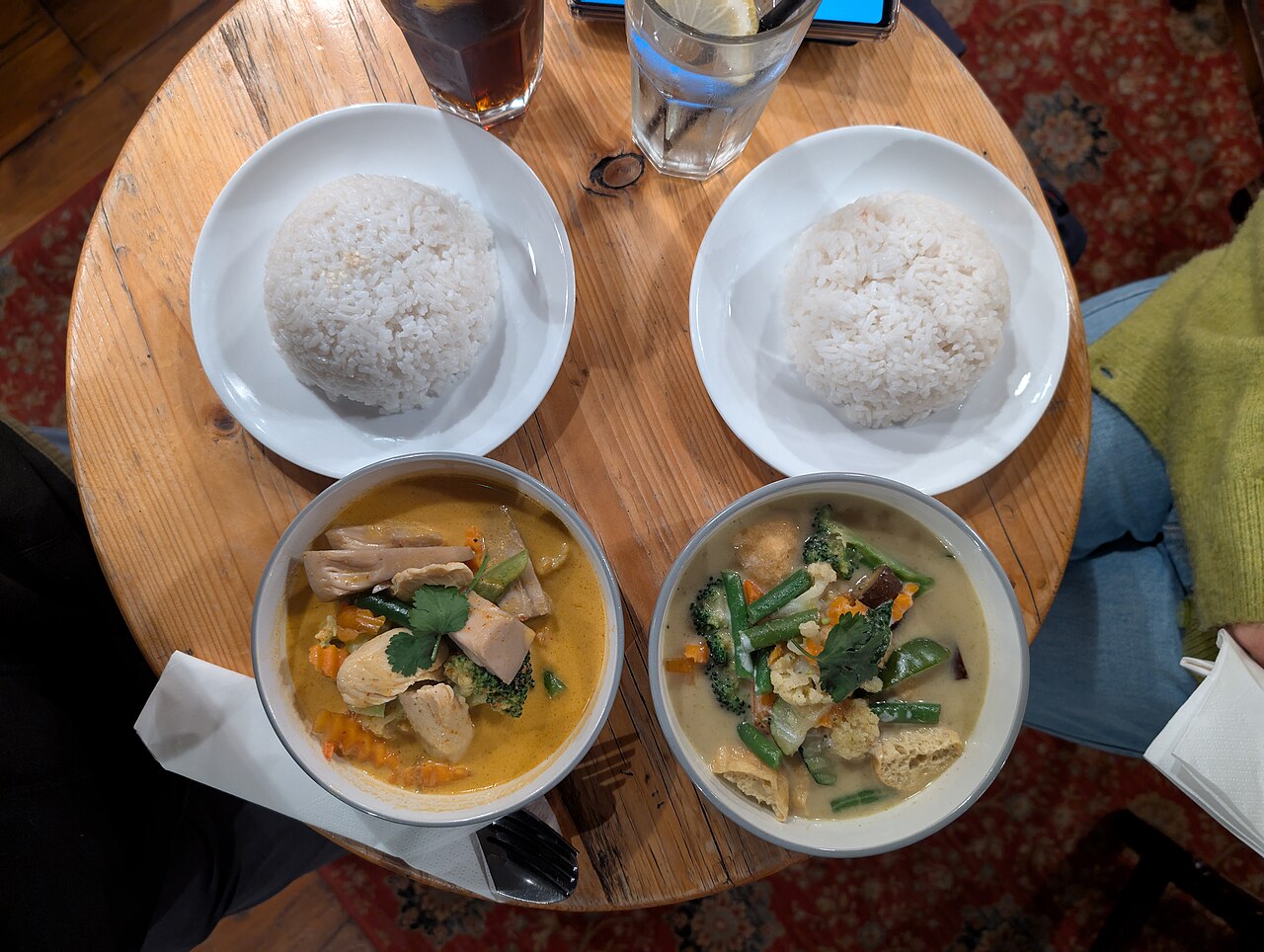
Green, red and massaman pastes differ in aromatics, heat and salt, and two brands of the same color can behave differently. The quantity in a recipe is a starting point for that style, not a universal heat guarantee. Check for shrimp paste and other allergens. Fry the paste gently in the specified fat or coconut cream before dilution, avoiding a dry scorched base. If you need a milder dish, use a milder paste or a smaller amount with an acknowledged change in aroma rather than trying to bury extreme heat under sugar.
Lemongrass and galangal have physical jobs as well as aroma
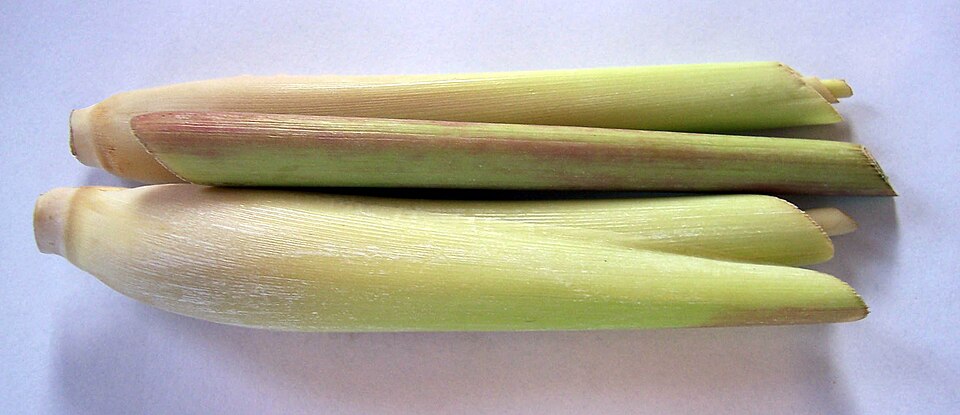
Lemongrass is often bruised and cut into large pieces for infusion; woody lengths should not be treated like tender vegetable strips. Galangal has a different fragrance from ginger, even though ginger can be a practical named adaptation. Remove hard pieces before serving where possible or tell diners clearly that they are aromatic ingredients. Frozen aromatics can be useful when fresh quality is poor. Avoid buying a large quantity solely for the appearance of an elaborate pantry if most of it will dry out before you use it.
Basil varieties change the finishing flavor
Holy basil is associated with a peppery clove-like direction in pad kra pao, while Thai sweet basil has a more anise-like aroma. Ordinary sweet basil can make a pleasant home variation but should not be described as identical. Add tender leaves near the end so their fragrance stays noticeable. Wash and dry them before cooking, and keep a little intact leaf for recognition where appropriate. A dried mixed-herb jar is not a direct replacement for a generous handful of fresh aromatic leaves in a quickly finished stir-fry.
Buy for a sequence of meals rather than one isolated recipe
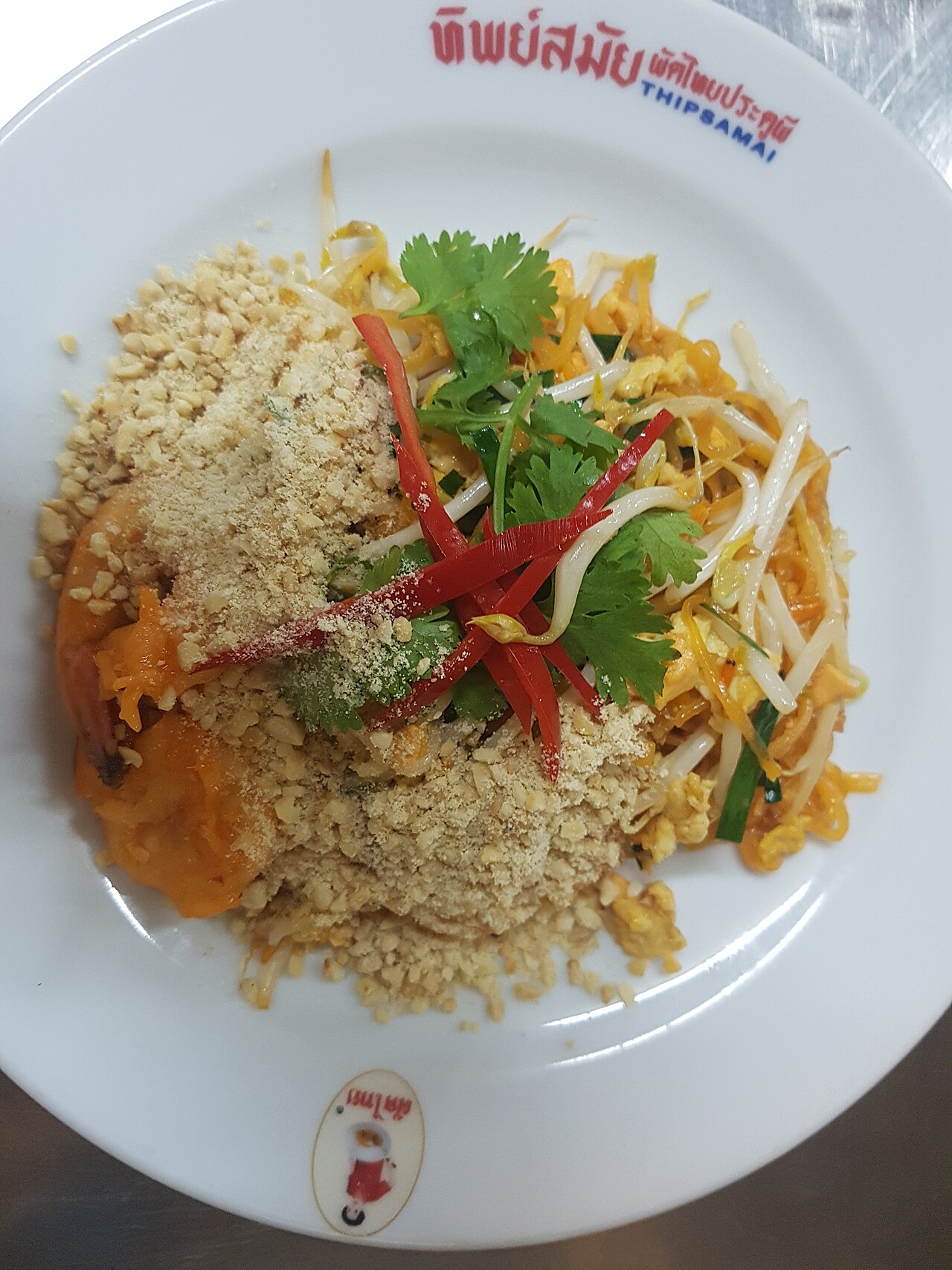
A small bottle of fish sauce, a usable tamarind product and jasmine rice can support several meals; coconut milk and fresh herbs can be bought according to the week’s plan. Start with pad Thai and a coconut curry only if you will actually cook both, then add more specialized ingredients as needed. Keep notes on brand, strength and storage so your next attempt is repeatable. Origin alone is not proof of freshness or suitability, and an expensive imported package is not a substitute for understanding its purpose.
Choose the right next step
| Observation | What distinguishes it | Decision |
|---|---|---|
| The tamarind looks unusually dense | A dark concentrated paste and a pourable ready-to-use puree may have different strengths despite sharing the same ingredient name. The label and a safely diluted taste are more informative than color alone. | Follow dilution directions and balance a small sauce mixture before adding the full quantity. If the product is much stronger, reduce its amount rather than immediately increasing sugar to conceal an excessive acidic dose. |
| Coconut milk never visibly splits | Some cans remain emulsified during the short paste-frying stage. Continuing indefinitely to force an oily appearance can scorch the base before it develops the fragrance the recipe needs. | Use the method’s aromatic and heat cues, then add the remaining liquid. Read the fat and ingredient information for future comparison. A sweet coconut beverage is still a separate substitution problem, not just a milk that failed to split. |
| A different basil is available | Holy basil, Thai sweet basil and ordinary sweet basil are not identical aromatic choices. A substitute can make a useful meal while shifting the dish’s intended finishing note. | Choose the available herb deliberately, keep the finishing timing appropriate and name the change. Avoid treating extra chile as compensation for the missing basil aroma; heat and herb fragrance are separate dimensions of the dish. |
A practical checklist
- Read tamarind dilution instructions before measuring.
- Taste fish sauce before adding extra salt.
- Choose cooking coconut milk, not a sweetened drink.
- Check curry paste labels for heat and allergens.
- Distinguish holy basil, Thai basil and sweet basil honestly.
Related questions
Can soy sauce replace fish sauce?
It can contribute salt in a home adaptation, but its flavor, color and fermentation profile differ. Add gradually and taste the whole dish. Also check other ingredients for seafood if the reason for substitution is vegetarian eating or a fish allergy.
Is galangal just another name for ginger?
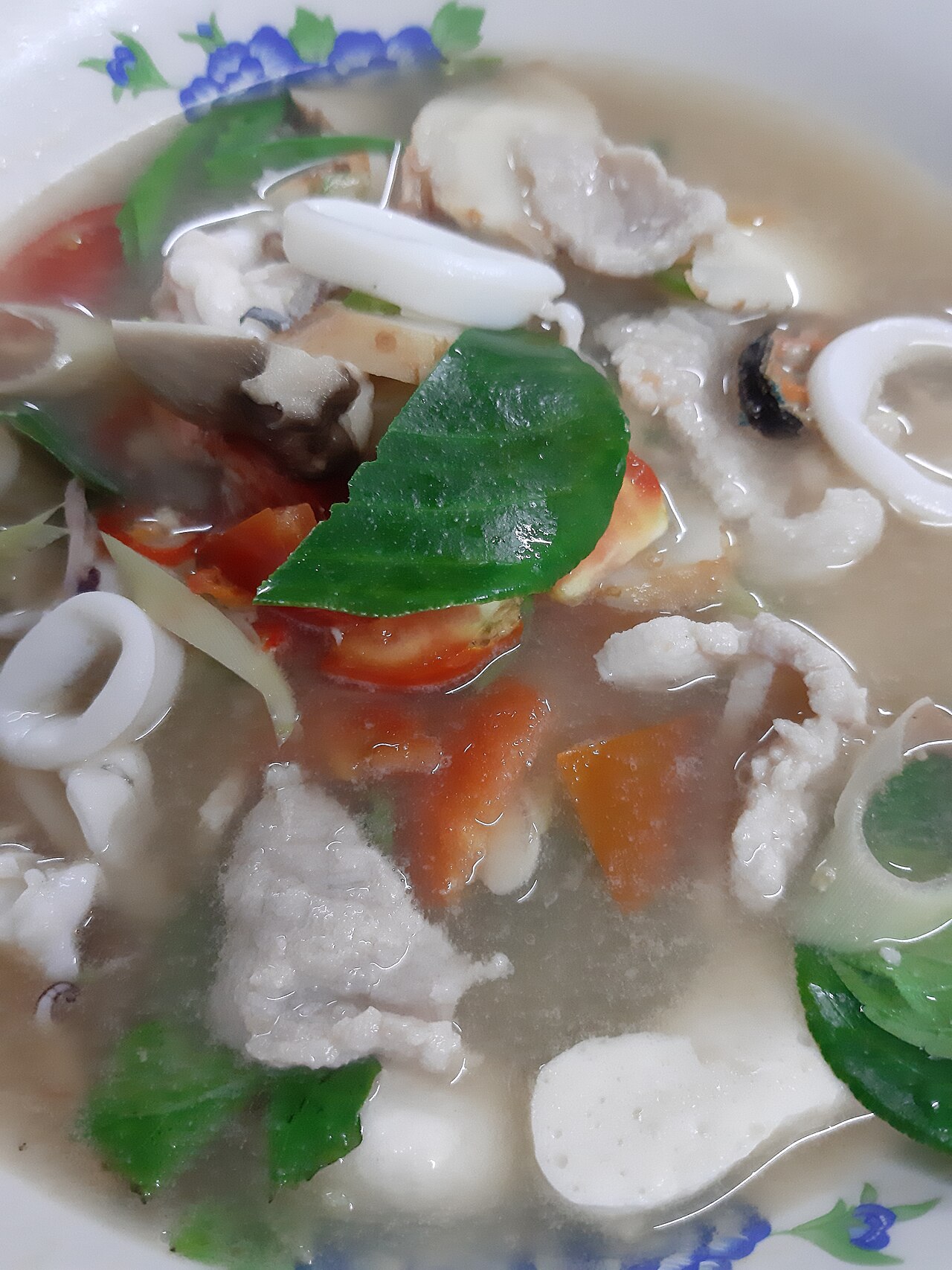
No. They are related-looking rhizomes with different aromas and textures. Ginger can be used when necessary if the variation is stated, but a galangal-forward soup such as tom kha will not taste exactly the same.
Should every Thai dish taste sweet, sour, salty and hot equally?
No. That is a useful vocabulary for balancing many dishes, not a rule that every bowl contains equal amounts of each. Consider the intended dish: a coconut curry and a lime-forward soup have different targets, and extreme chile heat is not a universal requirement.
Written as a practical editorial guide. We do not claim personal test results or professional qualifications. Read our editorial approach.