The short answer
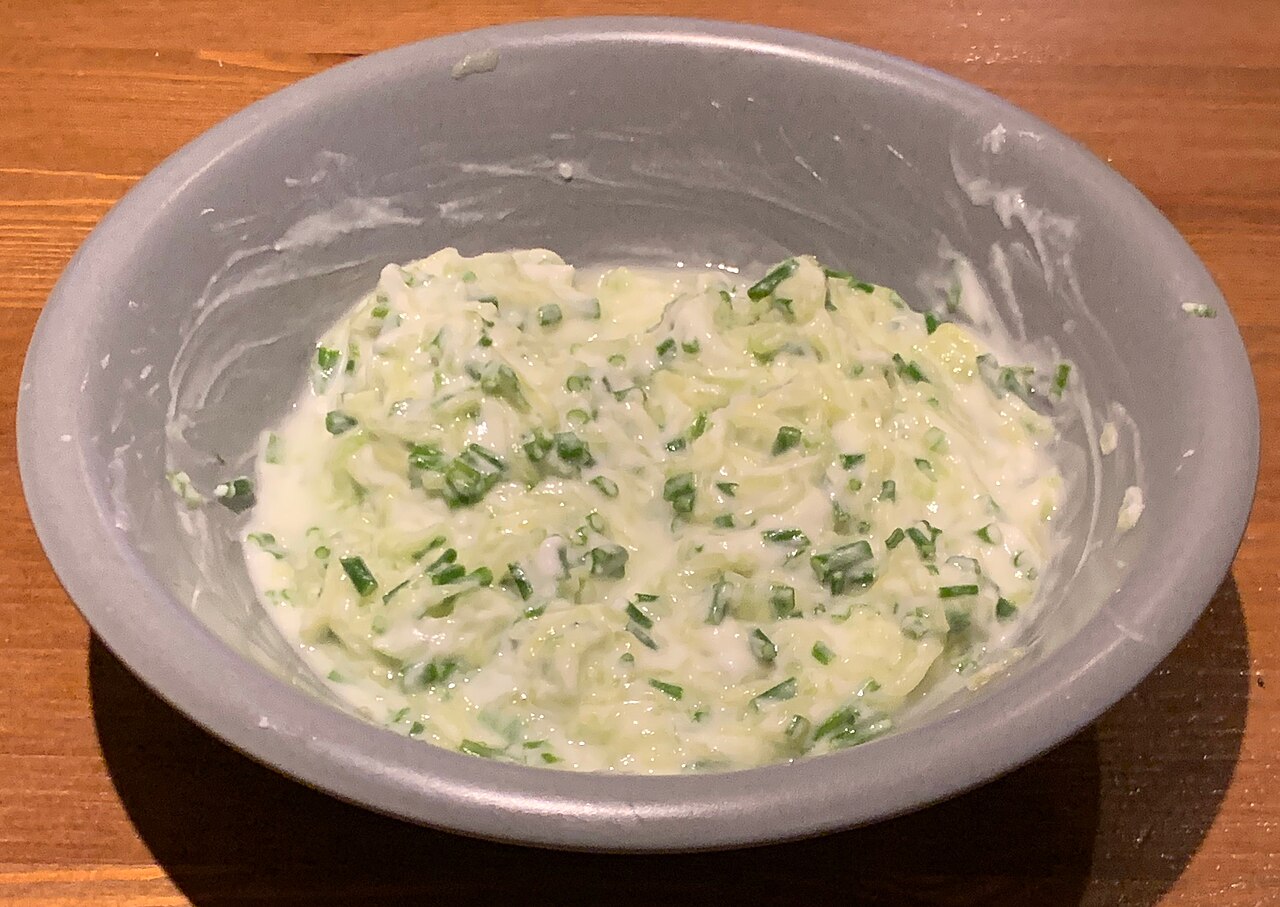
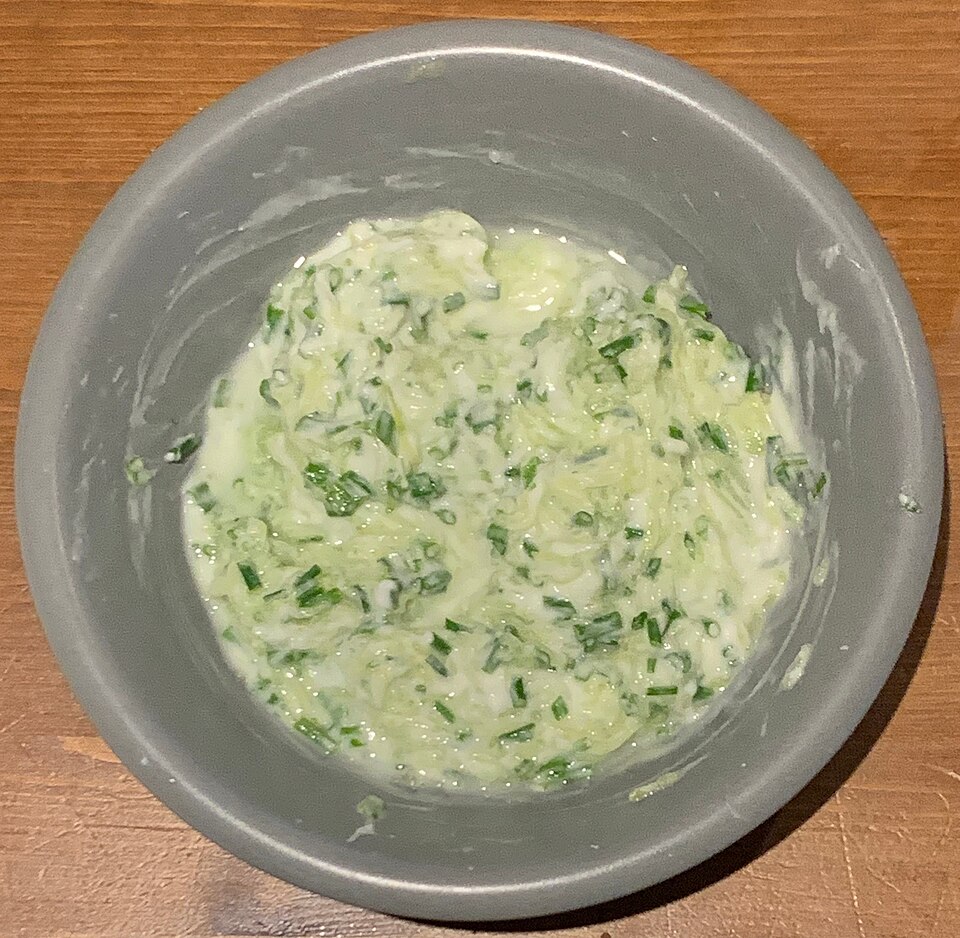
Watery tzatziki needs a check of yogurt thickness and squeezed cucumber, not extra lemon. A hot yogurt sauce needs smooth yogurt, lowered heat and gradual addition. Cold dilution and hot splitting are different problems.
Start with a yogurt suited to the job
A thick plain strained yogurt works well for tzatziki because less free whey enters the bowl. A drinkable yogurt or a sweetened dessert product changes both consistency and flavor. Read the ingredients rather than relying only on the word Greek on the label: fat, thickeners and straining methods vary. For a cold dip, the yogurt should hold a soft mound on a spoon. For a hot sauce, full-fat plain yogurt is generally more forgiving than a very lean product, but it still needs careful addition rather than a hard boil.
Cucumber must be squeezed, not simply drained once
Grated cucumber holds water throughout its small pieces. A short lightly salted rest draws some out, but a sieve alone may leave considerable moisture behind. Gather it in a clean cloth and squeeze firmly before folding into yogurt. Taste before adding the rest of the salt because the cucumber has already received some. A large seedy cucumber can be halved and its watery center removed first. Thickening the final dip with more cheese or starch is a different intervention and does not replace this straightforward preparation.
Garlic changes during the refrigerator rest
Finely grated garlic disperses more widely than a coarse slice, and its presence can become more noticeable as the sauce stands. Begin modestly, particularly if making the dip several hours ahead. If you want a gentler finish, a small amount of cooked garlic creates a different but deliberate variation. Avoid adding raw garlic repeatedly before the first addition has had time to settle. A strong dip is not necessarily a more skillful one, especially when the sauce accompanies a delicate grilled ingredient.
Add lemon for balance rather than automatic thickness
Lemon juice brings acidity and additional water. If the yogurt is already tangy, a full extra spoonful may make the sauce sharp without improving its body. Taste with the food the sauce will accompany. Grilled chicken and salty cheese change how the same dip is perceived. A little olive oil rounds the finish, while dill or mint adds a different aromatic direction. Use the recipe’s herb first and name a swap honestly; a generous dried herb blend does not reproduce tender fresh leaves.
A cold dip and a hot yogurt sauce need different handling
Tzatziki stays chilled, so its main risks to texture are dilution and prolonged warm holding. Yogurt entering a curry must meet a hot base without receiving a sudden concentrated heat shock. Whisk it smooth, lower the heat and add gradually according to the recipe. Some methods use starch or other stabilizing ingredients, but they should be part of the specified formula rather than an improvised rescue. A small grainy separation may remain edible yet differ from the intended smooth sauce; do not promise it can always be fully reversed.
Store the components according to their moisture
If preparing for a later meal, squeeze cucumber carefully and keep the sauce covered in the refrigerator. Surface liquid may appear after standing; stir gently or pour away a small clear pool according to the desired texture. Do not leave a communal bowl beside a warm grill for hours and then return it to storage as if nothing happened. Use a clean serving spoon and replenish smaller chilled portions. Oil on the surface is a flavor finish, not a reliable preservation system.
Choose a dairy substitute for the cold or hot application
Begin with the reason for substitution: availability, texture preference or a dietary requirement. For cold tzatziki, an unsweetened thick plain product must contribute enough body after squeezed cucumber enters. A thin drinkable yogurt changes the liquid balance even if its flavor is tangy. For a hot sauce, the product also needs to tolerate the recipe’s heating sequence, and a cold-dip substitute is not automatically suitable. Compare fat, water, sweeteners and added flavor on the label rather than relying on the word Greek or plant-based. When an allergy is involved, check the whole recipe and preparation surfaces rather than replacing a single spoonful and declaring the meal safe. Describe the resulting sauce honestly if coconut flavor or another aroma becomes prominent. Make the necessary substitution before adjusting lemon or garlic so you can judge the new base instead of correcting several moving variables at once.
Choose the right next step
| Observation | What distinguishes it | Decision |
|---|---|---|
| A cold cucumber dip turns thin | Cucumber releases water, and unstrained yogurt begins with more free liquid. Extra lemon adds acidity and water rather than repairing either source of dilution. | Squeeze the cucumber and choose a thick plain yogurt before mixing. If a small clear pool develops after refrigeration, assess it separately from a wholly runny mixture. Keep the dip chilled while making the texture adjustment. |
| Yogurt becomes grainy in a curry | The problem occurs after contact with a hot base, which makes heat and addition method relevant. The same diagnosis does not apply automatically to a cold tzatziki. | Lower the heat and follow gradual addition in the particular recipe. A small separation may be softened, but fully tightened proteins cannot always return to a smooth sauce. Do not increase boiling intensity as the default correction. |
| A replacement is needed for a dietary reason | Thickness alone does not tell you whether a dairy-free product behaves similarly under heat. Replacing one spoon of yogurt also does not check the remaining dairy or allergens in a whole meal. | Read labels and the full ingredient list, choose an unsweetened product and identify the adaptation. Do not turn a useful substitution into an unsupported claim that every serving is suitable for a particular allergy or health need. |
A practical checklist
- Use plain yogurt with the thickness required by the method.
- Salt, rest and squeeze grated cucumber.
- Start with a modest amount of raw garlic.
- Taste lemon against the yogurt’s existing acidity.
- Keep a cold dip chilled; add yogurt gradually to a lowered-heat sauce.
Related questions
Can I thicken runny tzatziki with extra lemon?
No. Lemon adds liquid and acidity. First identify whether the cucumber was insufficiently squeezed or the yogurt too thin. More strained yogurt can change the batch balance, but the simplest prevention is choosing a thick product and removing cucumber water before mixing.
Why did yogurt curdle in my curry?
High heat, rapid addition and a low-fat product can all contribute. Lower the heat and add smooth yogurt gradually as specified. Gentle stirring may improve a slightly split sauce, but visibly tightened dairy proteins cannot always be restored to the original smoothness.
Can I use vanilla yogurt if that is all I have?
It brings sweetness and flavor that do not suit this savory method. Choose an unsweetened plain alternative or make a different sauce. Trying to cancel vanilla and sugar with salt or garlic produces an uncertain result rather than a dependable substitution.
Written as a practical editorial guide. We do not claim personal test results or professional qualifications. Read our editorial approach.