The short answer
Smooth but thick carbonara usually needs a little warm pasta water; firm egg curds indicate overheating and cannot be reversed. Check for excess pork fat and coarse cheese before applying the same fix to every grainy sauce.
Start with the difference between thickening and scrambling
A carbonara sauce needs egg proteins to thicken gently around dispersed pork fat, cheese and starchy water. If those proteins meet a very hot metal surface, they tighten into visible curds before the mixture can become smooth. The ingredient list can be correct and the result still fail because the pan holds more heat than expected. A heavy cast-iron skillet and a thin sauté pan do not cool at the same rate, so a universal instruction to wait exactly thirty seconds is less useful than controlling where the sauce is mixed.
Use a separate bowl when the pan is difficult to judge
Render the guanciale in its skillet, but combine the egg-cheese paste and pasta in a roomy bowl if you are unsure about residual heat. The hot pasta supplies warmth without the same direct contact with a heated base. Move the pasta and a measured amount of rendered fat into the bowl, begin tossing and add warm cooking water gradually. This does not remove the need for care or guarantee food safety; use pasteurized eggs when serving a sauce that will remain gently cooked rather than fully set.
Choose between pasta water and plain warm water deliberately
Reserved cooking water brings both starch and salt, and neither concentration is fixed by the words pasta water. A small pot that has reduced strongly can give a different reserve from a large pot of lightly salted water. Keep the reserve warm and add it gradually to the pasta mixture, watching whether the coating becomes fluid without an oil pool. Taste a complete cooked strand before further additions. If seasoning is already strong, plain warm water is a better dilution choice than continuing to add salty reserve. If the mixture is watery, do not keep pouring simply because an ingredient allowance remains. The practical sequence is texture, complete bite, then another small adjustment. Neither kind of water reverses firm egg curds. A measured mug is a useful reserve to have ready, not a universal amount that the finished sauce must absorb.
Fine cheese particles disperse more readily
Grate Pecorino finely from a wedge so it can combine smoothly with the eggs and small additions of water. Coarse shreds take longer to soften, tempting you to add excessive heat. Pre-grated products vary and may contain anti-caking ingredients; they are convenient but less predictable for a very short delicate sauce. Taste the cheese before salting the pasta water aggressively. Guanciale and aged sheep cheese already contribute substantial salinity, and the reserved water becomes another part of the final seasoning.
Diagnose the sauce by what you actually see
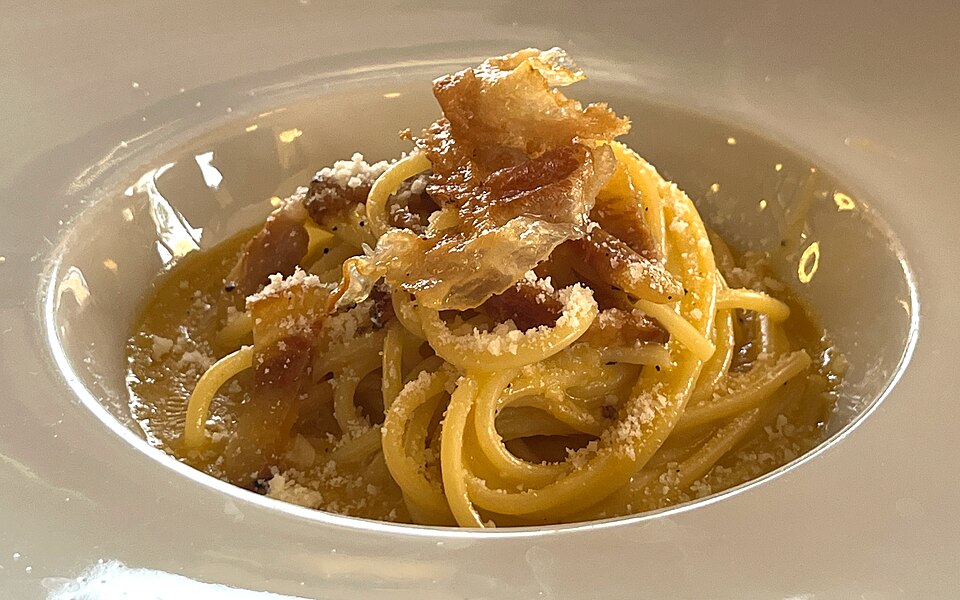
A thick but glossy paste usually needs warm water and continued tossing. Separate beads of oil with an otherwise smooth sauce suggest the fat and water need to be worked together more thoroughly. Distinct firm egg curds indicate coagulation, which cannot be undone into the original silkiness. Adding water can soften that failed mixture but should not be described as a guaranteed reversal. If there are grainy cheese particles without egg curds, first consider grate size and mixing conditions before assuming the eggs alone are responsible.
Plan for service before the sauce exists
Warm shallow plates, finish any salad and call diners before the final toss. Carbonara tightens rapidly while sitting because the pasta continues taking up moisture and the sauce cools. Keep the last portion a little looser while plating, adjusting with warm water if needed. A large dinner party batch is harder to mix evenly than two manageable batches. Increasing every ingredient in one small skillet produces crowded noodles and uneven sauce contact rather than a reliable scaled-up version.
Choose the batch size before cooking the pasta
Scaling ingredients and scaling the mixing vessel are separate decisions. A bowl that barely holds four portions cannot toss eight portions evenly, even when every ingredient was doubled correctly. Choose two complete batches if the pasta would fill the vessel so deeply that only the bottom receives the sauce. Prepare a fresh egg-cheese mixture for each batch and keep its cooking-water reserve separate so you can adjust without guessing which pot it came from. Finish and serve the first batch before starting the next final toss. This is a workflow choice, not an instruction to keep a finished egg sauce warm while all the pasta catches up.
Choose the right next step
| Observation | What distinguishes it | Decision |
|---|---|---|
| Smooth but too thick | The strands stick together, yet the coating has no firm curds and no separate oil pool. This points first toward insufficient free water or cooling, rather than proving that the eggs scrambled. | Work in a small spoon of warm reserved water and toss before judging again. Keep the pan away from direct heat during this check. Stop adding liquid once the coating moves between strands; an emptied mug is not a target. |
| Grainy, with different kinds of particles | A cheese shred may soften or smear when pressed against a warm spoon. A firm egg curd keeps its identity. Both can look grainy from a distance, so inspect a small safe cooked sample instead of naming every rough sauce scrambled. | If cheese dispersion is the issue, finer grating and a better-mixed paste help the next batch. Clearly coagulated egg cannot be turned back into the original emulsion. Do not recommend increasingly aggressive heat for both cases. |
| Smooth coating with oil beneath it | The sauce itself can look coherent while excess rendered fat collects at the bottom. Adding more cheese makes the dish saltier and does not identify whether the fat-to-water balance is the problem. | Try a small water addition and thorough tossing. If a large free-fat pool remains, remove some rather than continuing to enrich the entire batch. Distinguish this from a sauce that is already watery and needs a different correction. |
A practical checklist
- Grate the cheese finely and mix the eggs before the pasta finishes.
- Reserve warm starchy water while the pot is still on the hob.
- Choose a bowl if the skillet retains too much heat.
- Add liquid gradually while tossing, keeping the sauce glossy.
- Serve on warm plates immediately; do not hold the finished pan.
Related questions
Does cream stop carbonara from scrambling?
Cream changes the sauce and can make it more forgiving, but it does not teach the heat-and-water control used by the egg-based version. If you want a cream sauce, describe it as a variation. Do not use cream to imply that a badly overheated egg emulsion has returned to its original state.
Can I put a thick sauce back over the burner?
Only with great care, and water is often the first adjustment rather than more heat. Move and toss continuously if any gentle warming is needed. When uncertain, return to a bowl and work with the pasta’s retained warmth instead of resting the egg mixture against hot metal.
Is a raw egg yolk on top required?
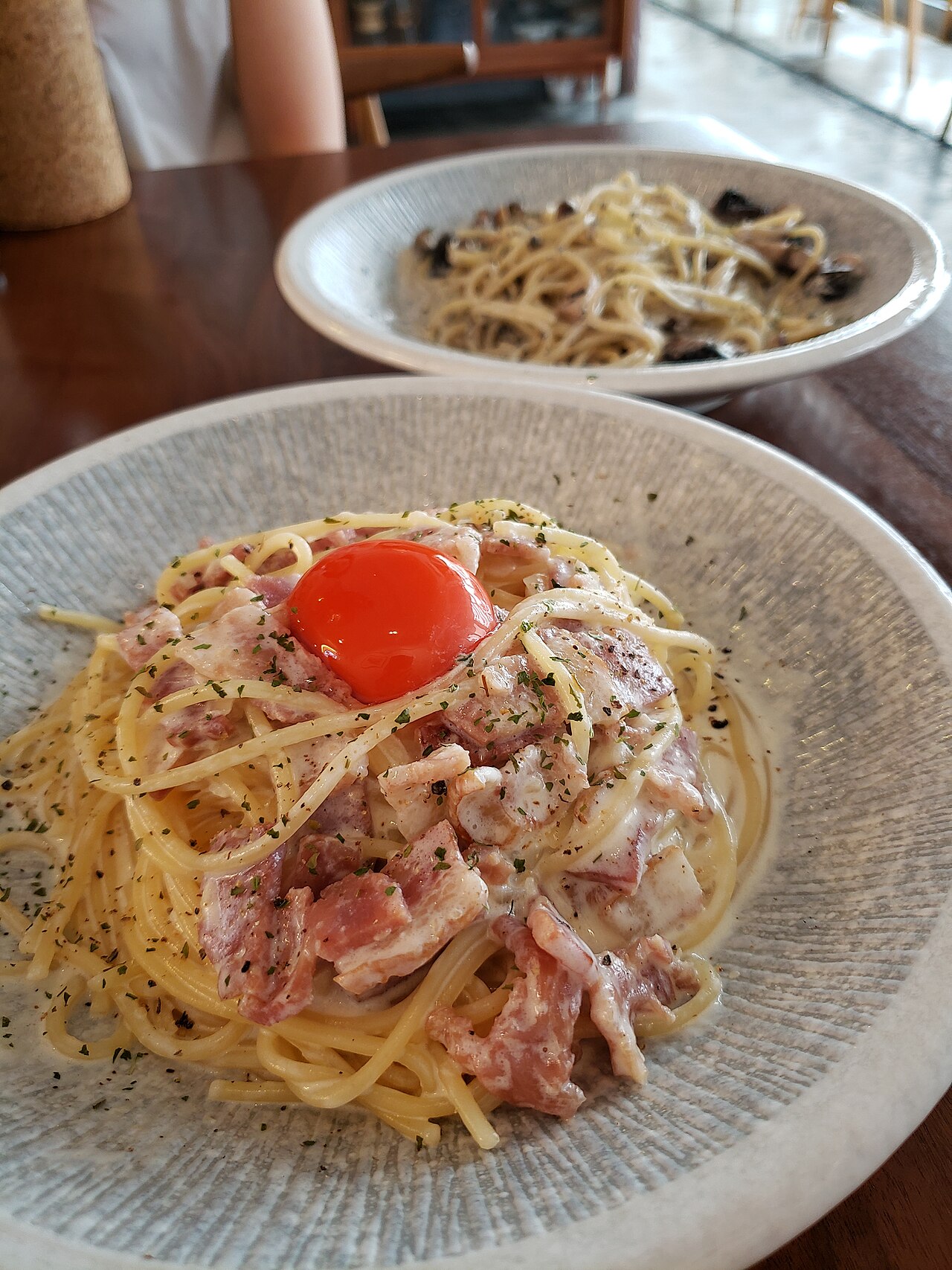
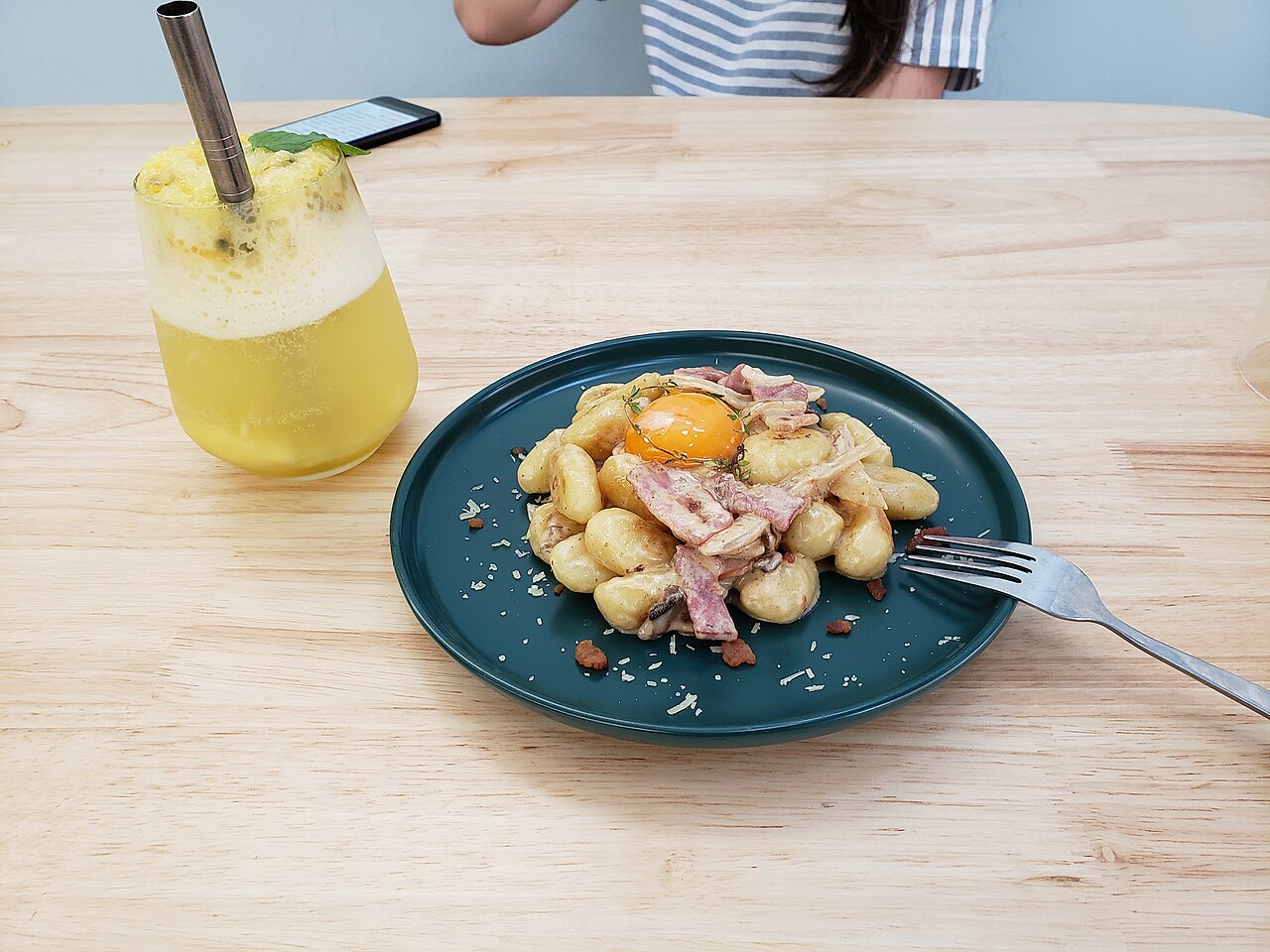
No. A restaurant photograph may show a serving variation, but it is not required by the recipe. Pasteurized egg products are the more cautious choice when eggs will remain undercooked. A glossy appearance alone does not demonstrate a safe time-and-temperature process.
Written as a practical editorial guide. We do not claim personal test results or professional qualifications. Read our editorial approach.