The short answer
Identify dried versus fresh noodles first. For stir-frying, hydrate dried noodles until flexible rather than fully tender, drain, then finish with sauce and small water additions. Follow the packet because width and starch blends change the preparation.
Identify what is in the packet
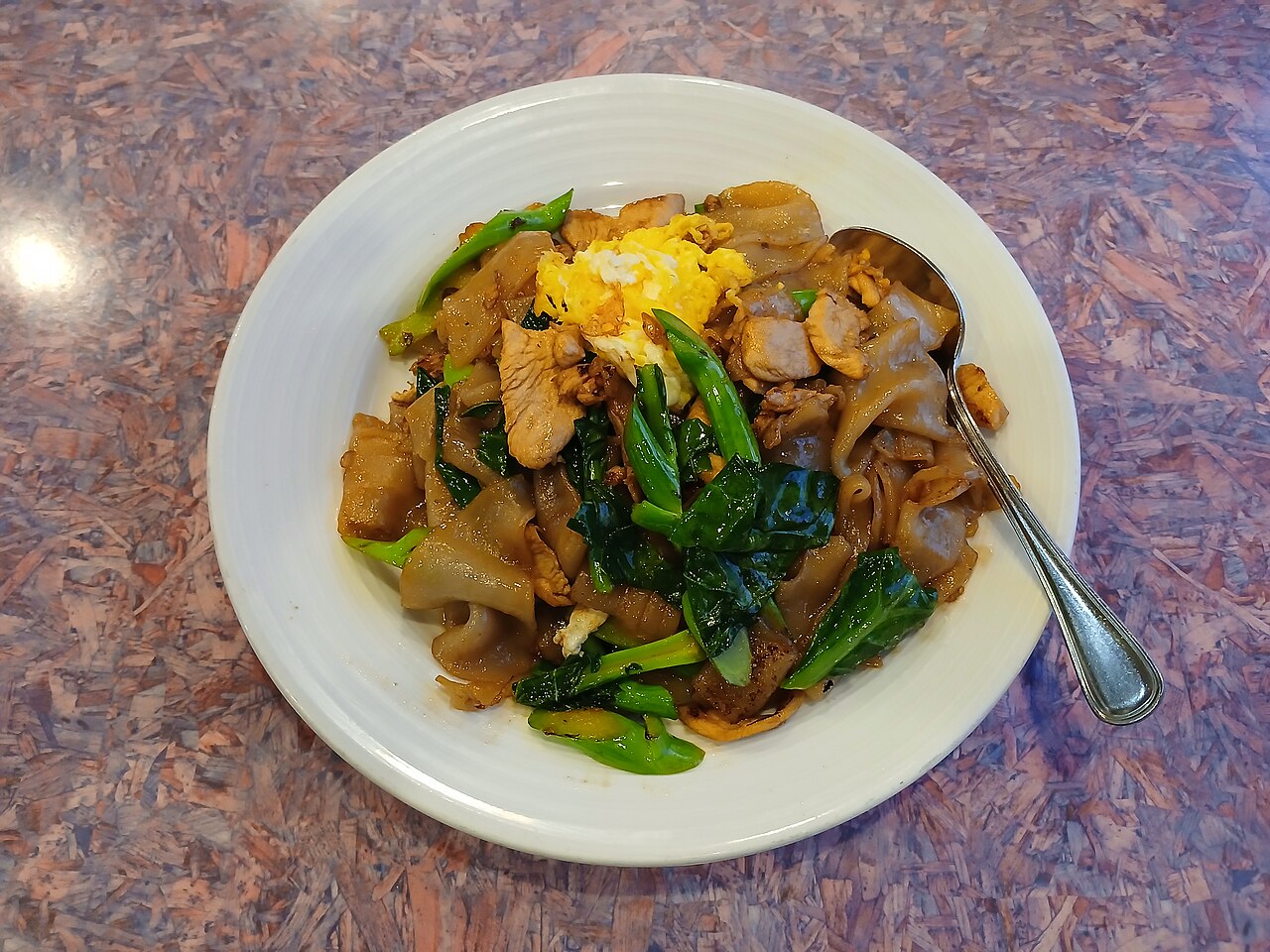
Dried rice vermicelli, medium flat sticks and fresh wide sheets have different starting moisture and thickness. The front label may call several products simply rice noodles, so read the cooking instructions and look at the cross-section. Some blends include tapioca or other starches that change elasticity. A fresh refrigerated sheet needs gentle loosening, while a dry stick must hydrate before it can bend. Do not assume a method for fresh wide pad see ew noodles also applies to a narrow dried noodle used in soup. The final dish determines how far to cook before combining.
Soaking prepares a stir-fry noodle; the pan completes it
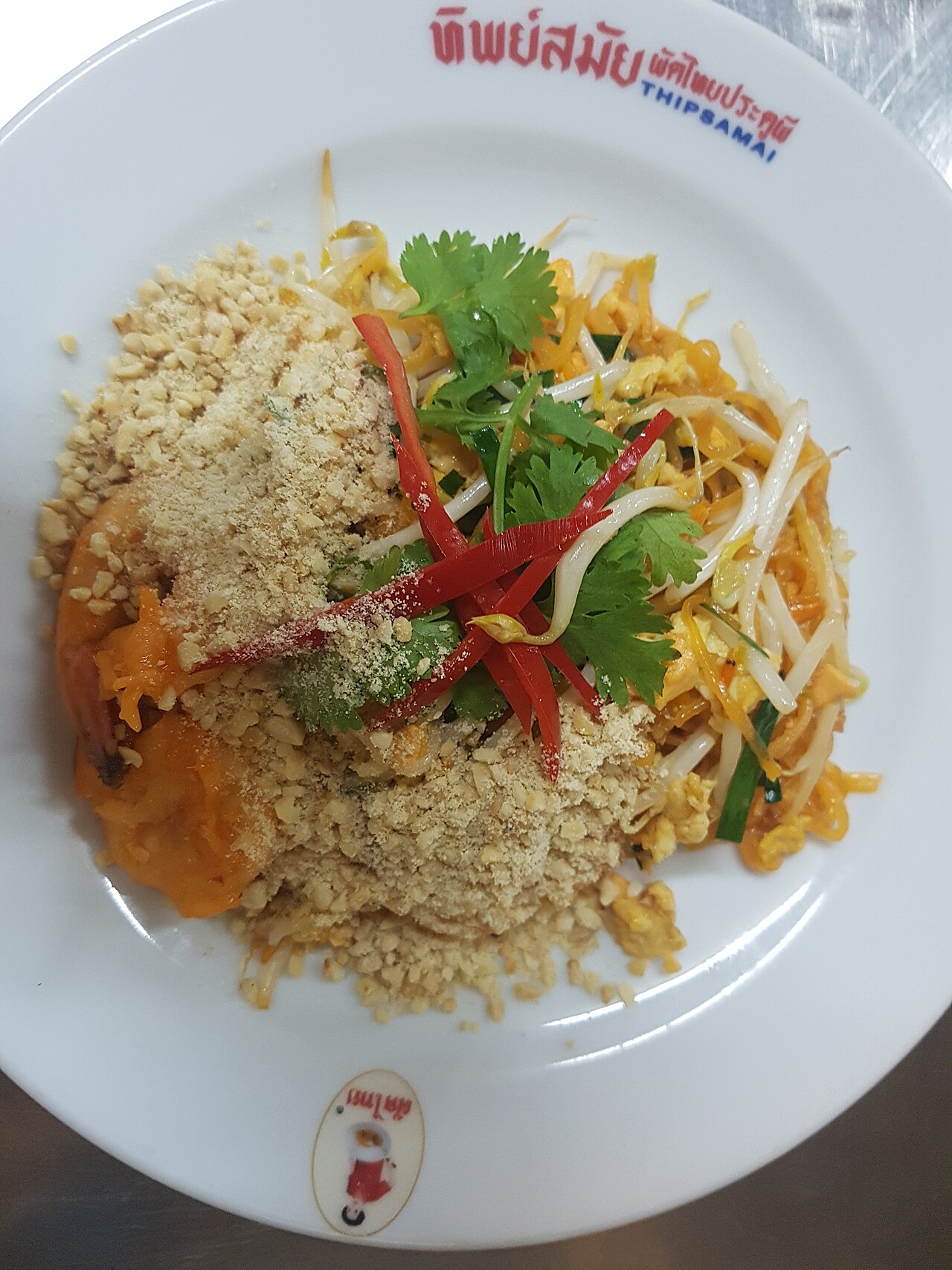
For a pad Thai-style finish, the soaked noodle should be flexible enough to bend without snapping but not already as soft as a finished bowl. Water temperature and product thickness affect the time, so inspect rather than relying on a universal soak duration. Drain thoroughly before the pan stage. The sauce and small additions of water then finish hydration while seasoning the noodle. If you boil it completely soft first and then stir-fry for several more minutes, the same strand may break or become sticky before the vegetables and protein are ready.
Use a small strand as a controlled test
Take one strand out of the soaking bowl and bend it. If it snaps sharply, it needs more hydration. If it bends freely but feels very soft and tears with slight pressure, it may already be beyond the intended pre-stir-fry stage. Test a small portion with the actual sauce in the pan when using an unfamiliar brand. This is more informative than soaking the whole package longer because a previous brand needed it. Keep the rest drained and ready, and write down the product and observed texture for your own next cook.
Identify why a noodle clump formed before trying to separate it
A cold block of fresh wide noodles can be stiff from refrigeration without being overcooked. Follow its package warming or loosening instructions before pulling the sheets apart. A sticky mass of fully cooked dried noodles presents a different situation: cooling, surface starch and prolonged holding may have brought strands together, while excessive hydration may also have weakened them. Do not use the same force for both. Lift a small portion gently to see whether intact strands separate or tear with light pressure. Prepare only the amount the pan can finish promptly, drain at the intended stage and keep sauce ready. Where the product method calls for rinsing, drain again thoroughly rather than carrying rinse water into the wok. Extra oil may lubricate surfaces but cannot rebuild a noodle that has disintegrated. Diagnose product form, hydration and handling in that order before changing the seasoning.
Add water to the pan in small observations
If noodles remain firm while the pan is dry, add a tablespoon or two of water around them and toss or fold to distribute it. Wait for that addition to act before pouring in more. A watery pool indicates the pan is no longer stir-frying efficiently, especially over a small domestic burner. Cook smaller batches and keep ready protein aside if it would otherwise overcook. Wide noodles need gentle folding rather than vigorous stirring, while slender strands can tolerate somewhat different handling. The goal is even hydration with an intact shape.
Do not solve every noodle problem with extra sauce
A stiff noodle may need water and time rather than more fish sauce, soy or tamarind. Adding concentrated sauce repeatedly can make a still-firm batch excessively salty or sour. A broken mushy noodle has a different problem: less hydration and gentler handling are needed next time, and extra heat cannot rebuild it. Season a small complete bite before adjustment, including the other ingredients. Keep final lime, peanuts and herbs separate until the noodle texture is right so those fresh elements are not repeatedly cooked while you repair hydration.
Keep soup and stir-fry endpoints distinct
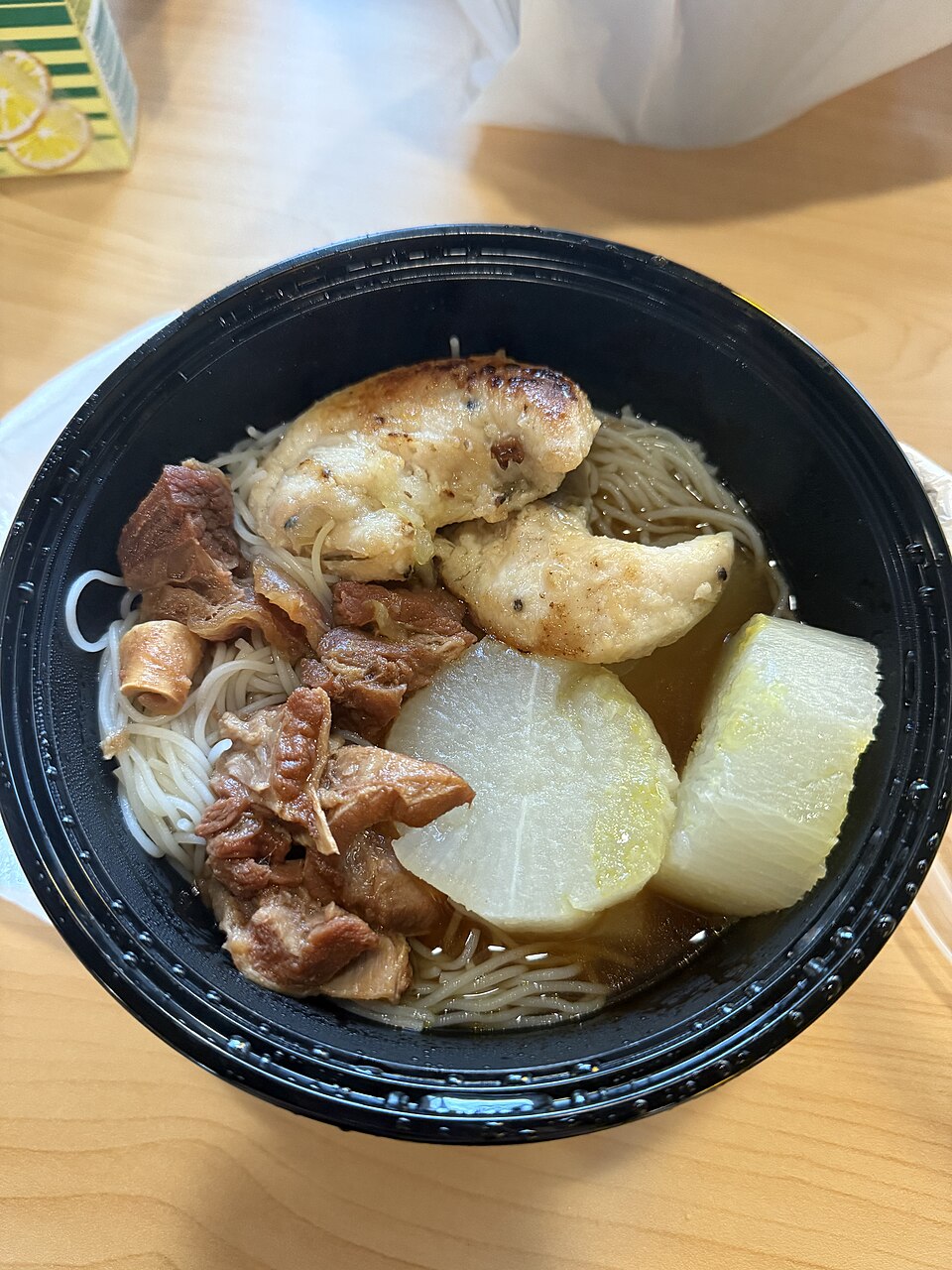
For a noodle soup, follow the product’s boiling or soaking method and remember that strands continue softening in hot broth. Preparing them separately can keep the serving broth clearer and gives better portion control. For a cold salad, cooling and draining become part of the intended texture. A single “perfect rice noodle” endpoint therefore does not exist independently of the meal. Choose soup, salad or stir-fry first and work backward, keeping components separate if the dish will wait before eating.
Choose the right next step
| Observation | What distinguishes it | Decision |
|---|---|---|
| Dry sticks snap during the soak | The noodle remains rigid rather than bending, so it has not reached the starting texture for a finishing stir-fry. This is different from a cooked noodle sticking to its neighbors. | Continue the package-appropriate hydration and check a strand again. Have the sauce and other components ready before draining. Do not compensate for a still-dry core by adding a large unmeasured quantity of salty sauce to the wok. |
| Soft strands tear during tossing | A noodle already tender from boiling or soaking may have little remaining tolerance for heat and force. A crowded pan and narrow pinching tools make the problem harder to distinguish from simple sticking. | Use gentler folding and a smaller batch. For the next attempt, stop the preliminary hydration earlier. Broken starch strands cannot be rebuilt with more oil, and continued vigorous tossing usually sacrifices more of their structure. |
| Fresh sheets arrive as a stiff block | Fresh refrigerated wide noodles begin with very different water content from dried sticks. Their need may be gentle warming and separation, not another long soaking stage. | Follow the fresh product’s instructions before it enters the pan. Support sheets with a broad spatula and drain excess package liquid. If substituting dry noodles, state that the preparation stage changes instead of copying the same short cook. |
A practical checklist
- Identify dried versus fresh noodles and their width.
- Read the package method before choosing a soaking temperature.
- For stir-frying, stop the soak before final tenderness.
- Drain, loosen and prepare sauce before heating the pan.
- Use small water additions to finish hydration without over-seasoning.
Related questions
Why do my pad Thai noodles break?
They may be too soft before stir-frying, or they may have been stirred forcefully in a crowded pan. Begin with a less advanced soak and work in a manageable batch. Once a strand has disintegrated, more sauce or oil will not restore its structure.
Can wheat noodles replace rice noodles directly?
They create a different texture and often need a different initial cook. Follow the wheat noodle package and reconsider the sauce absorption, rather than keeping a rice-noodle soak unchanged. Describe the result as a variation so the reader does not expect the same bite.
Should I always rinse rice noodles?
No. It depends on the product and intended dish. Rinsing can stop cooking and remove loose starch, but it also cools the strands and can remove some surface material useful to a sauce. Follow the particular method and use a small test when the package is unfamiliar.
Written as a practical editorial guide. We do not claim personal test results or professional qualifications. Read our editorial approach.