The short answer
Separate three causes of a loose tiramisu: excess coffee in the biscuits, unstable cream filling and insufficient chilling. Finish the required chill before judging structure; freezing or adding more liquid cream does not identify the original problem.
Identify where the extra liquid came from
A tiramisu can appear wet because its cream is unstable, its biscuits absorbed too much coffee, or it simply has not rested long enough. These are different problems. Look at a serving: liquid leaking from the sponge layers points toward soaking, while a filling that pours independently suggests a mixing or temperature issue. A still-soft center after a very short chill may be normal. Do not add gelatin automatically before deciding which component needs attention.
Cool the egg mixture before folding in dairy
In the ZYS10 version, yolks and sugar are warmed over a water bath, then cooled before mascarpone enters. Hot yolk mixture can soften the cheese and reduce the stability of whipped cream. Whisk mascarpone only enough to combine smoothly rather than aggressively beating it for several minutes. Dairy brands differ in fat and water content, so a spread sold as a substitute may not set like true mascarpone. Keep the ingredients at the temperatures needed by the sequence rather than making everything warm for convenience.
Read whipped cream before folding it into mascarpone
Lift the whisk and inspect both the peak and the bowl. Soft peaks should bend while the cream still looks smooth; a liquid bowl with a few surface bubbles is not the same stage. At the other extreme, a grainy or clumped cream is harder to combine without leaving particles in the filling. Use the recipe’s specified whipping cream rather than assuming a thin pouring product will behave identically. Before folding, loosen the mascarpone mixture only as instructed and make sure the warmed yolk component has cooled. Fold a portion of whipped cream through first to make the textures easier to combine, then incorporate the rest with broad movements. Scrape the bottom of the bowl so hidden dense filling does not remain underneath. Stop when the mixture is evenly combined. Continuing to stir until it feels stiff is not a setting method; the layered dessert still needs its full refrigerator interval.
Dip crisp biscuits briefly into cool coffee
Ladyfingers keep taking up moisture during the refrigerator rest. A quick dip is enough when they are dry and crisp; a long soak can collapse them before assembly. Coffee should be cool so it does not warm the cream layer. Different biscuit brands have different density, so test one first: it should lift intact with a softened surface and a firmer interior. Soft sponge fingers require a different approach and cannot be assumed to tolerate the same dipping interval.
Use the full chill before judging the result
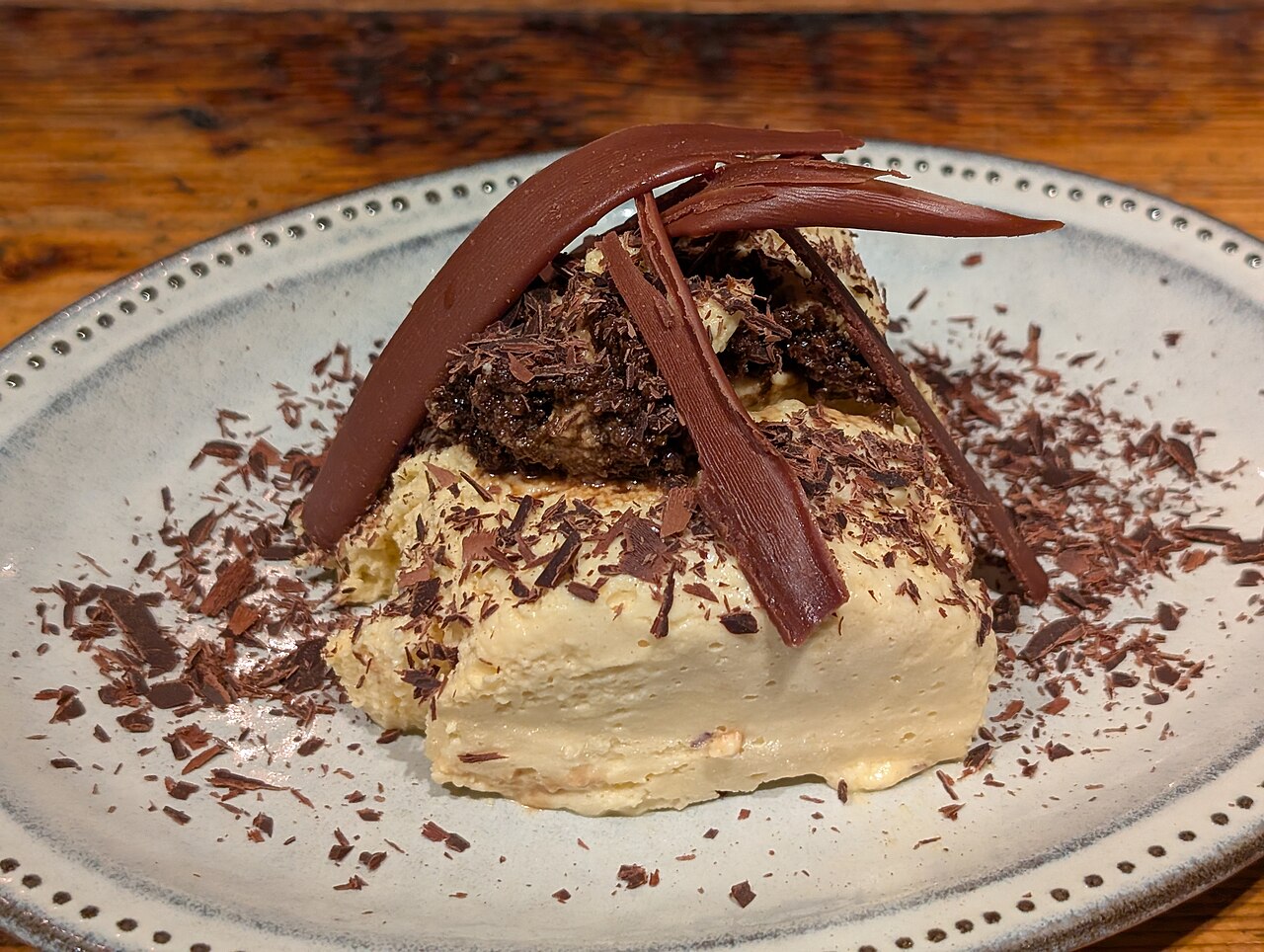
The recipe calls for at least six hours, with an overnight rest convenient for many meals. The biscuits soften and the dairy firms during that interval. A deep dish cools more slowly than several shallow individual servings, so outer firmness is not proof that the center has settled. Keep the dessert refrigerated rather than trying to speed a set on a cool windowsill. If serving a very soft preparation, use glasses honestly instead of claiming that it should unmould or cut into rigid squares.
Finish with dry cocoa at the last moment
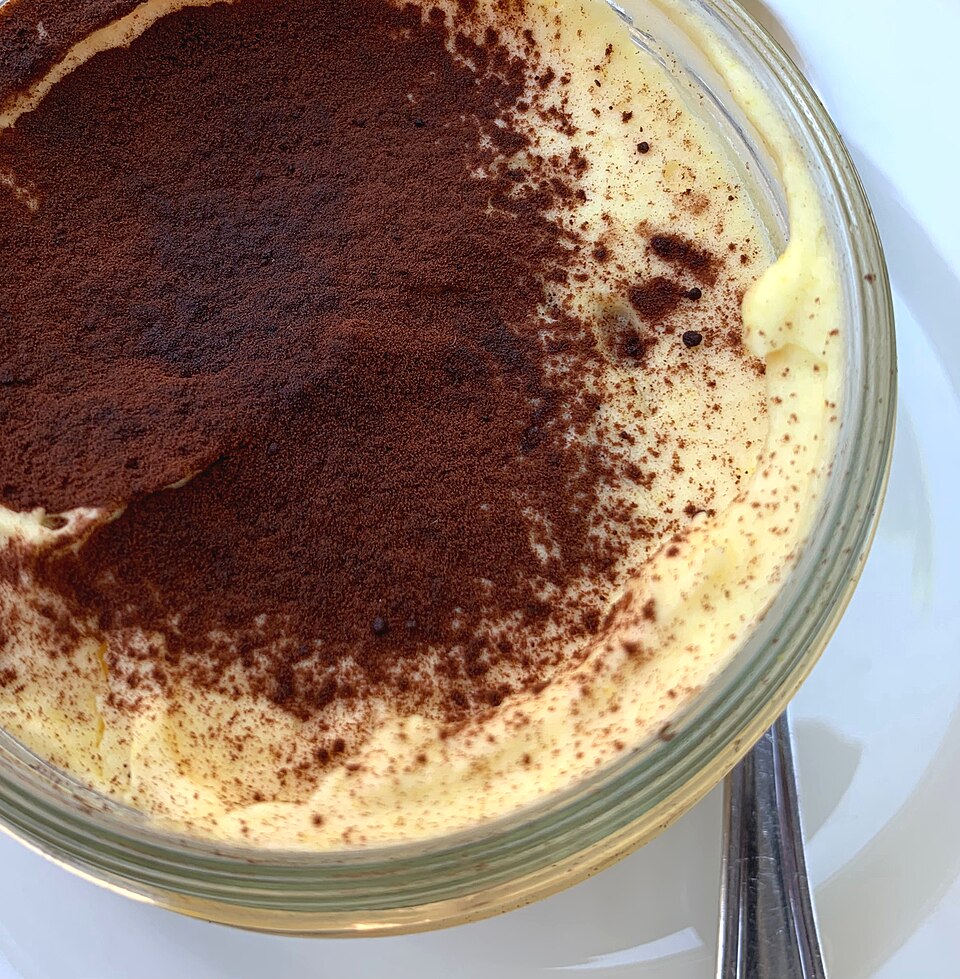
Cocoa absorbs surface moisture and darkens as it stands. Dusting just before serving preserves a more delicate powdery finish and avoids a wet dark skin. Use unsweetened cocoa so bitterness can balance the rich cream and sweet biscuits. A thick layer is difficult to eat comfortably and can obscure the coffee. Cut with a clean knife if portions are wanted, wiping between cuts; a serving spoon is completely appropriate for a softer dish.
Decide whether a soft dessert can be served, rather than rebuilt
A safely handled tiramisu that remains too soft for clean squares can be spooned into chilled dishes; that changes presentation without claiming the original structure was restored. Examine a portion first: coffee pooling under otherwise stable cream points to biscuit saturation, while filling flowing out of every layer points to a separate dairy problem. Adding dry biscuits throughout the assembled dish does not address both causes and makes the texture uneven. Avoid folding a new stabilizer through a finished layered dessert unless following a separately specified method. If storage or egg handling is uncertain, a different serving vessel is not a safety correction. Keep texture decisions separate from the decision whether the dessert was handled safely.
Choose the right next step
| Observation | What distinguishes it | Decision |
|---|---|---|
| Loose cream before layering | The filling flows freely before it has touched coffee-soaked biscuits. That isolates the issue to its mixing, dairy choice or component temperature rather than to the dipping stage. | Check whether the yolk base cooled and the cream was whipped separately as specified. Do not pour in extra liquid cream to make it firmer. If the formulation has already destabilized, a serving glass may be more practical than a promised clean slice. |
| Wet biscuit layers after chilling | The cream has some structure, but coffee leaks around a collapsed sponge layer. This suggests the biscuit took in too much liquid or spare coffee was poured into gaps. | Do not use the entire coffee allowance merely because it was measured. For the next assembly, test one dipped biscuit and keep it liftable. Different dry and soft biscuit products require different handling, even in the same dish. |
| Firm edges, softer center | A deep dessert can feel cold and settled near its outside before the middle has completed the specified refrigerator rest. Early checking can make an otherwise normal setting process look like a failed formula. | Allow the full chilling interval and assess the center, keeping the dessert refrigerated. For future preparation, a shallower dish or individual portions make depth easier to control. Freezing does not explain or reverse every unstable filling. |
A practical checklist
- Use the dairy specified rather than an untested low-fat spread.
- Cool the warmed yolks before introducing mascarpone.
- Fold soft whipped cream gently.
- Dip crisp biscuits briefly in cool coffee.
- Chill fully and dust cocoa close to serving.
Related questions
Can I add more cream to thicken a loose filling?
Unwhipped liquid cream usually makes it looser. If cream is part of the specified method, whip it separately to the intended stage before folding. Once the whole mixture is badly destabilized, adding more ingredients may create a larger uncertain batch rather than a reliable repair.
Will freezing fix tiramisu that will not set?
Freezing can make a mixture temporarily firm, but thawing may release water and change the dairy texture. It does not identify or correct the original cause. For a questionable first attempt, a chilled spoon dessert may be more honest than promising clean slices after an emergency freeze.
Is coffee liqueur required?
No. The ZYS10 recipe contains no added alcohol. Strong brewed coffee supplies the aromatic bitterness. If adding liqueur to another version, count it as additional liquid and flavor rather than assuming it has no effect on soaking and texture.
Written as a practical editorial guide. We do not claim personal test results or professional qualifications. Read our editorial approach.