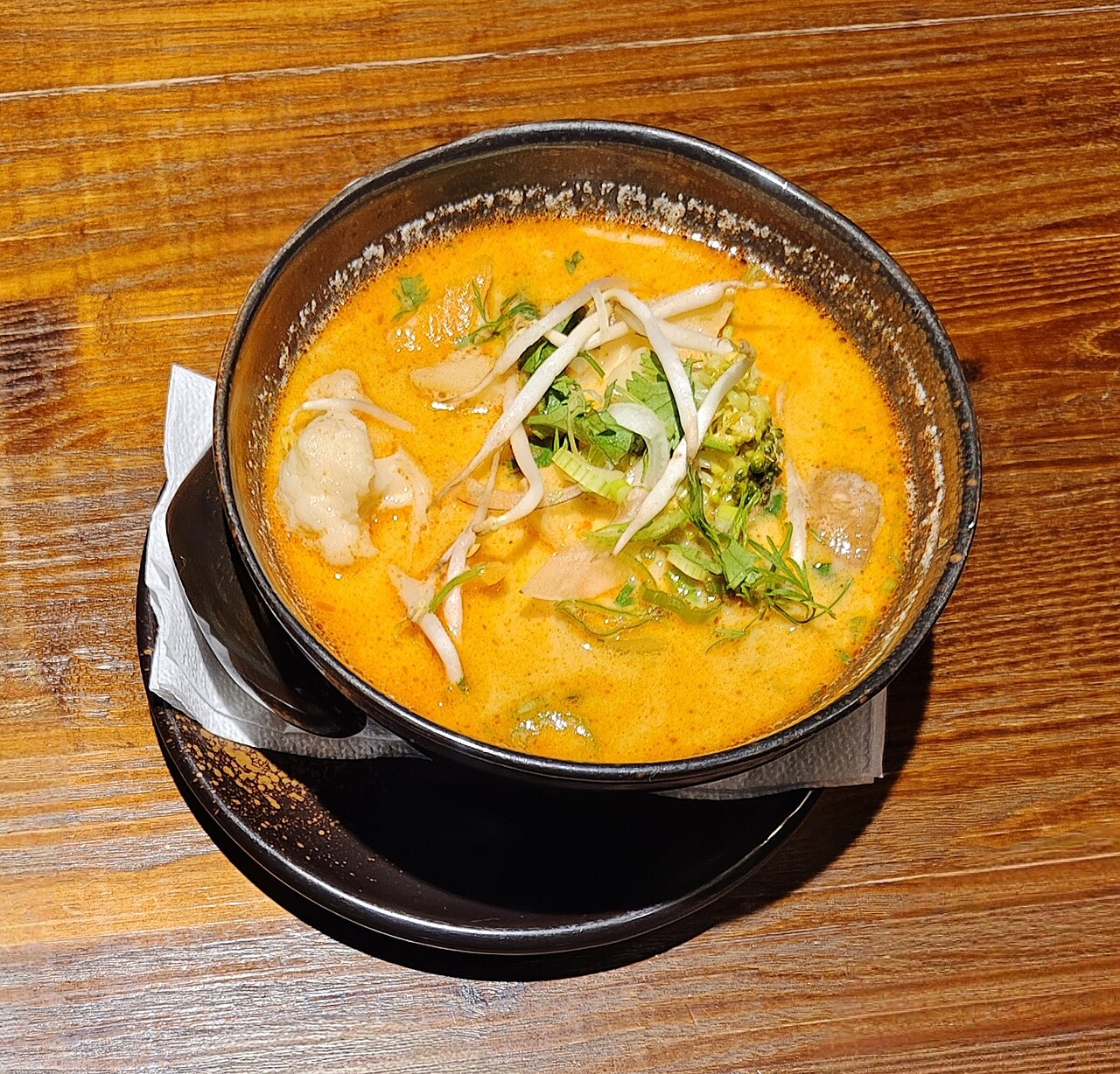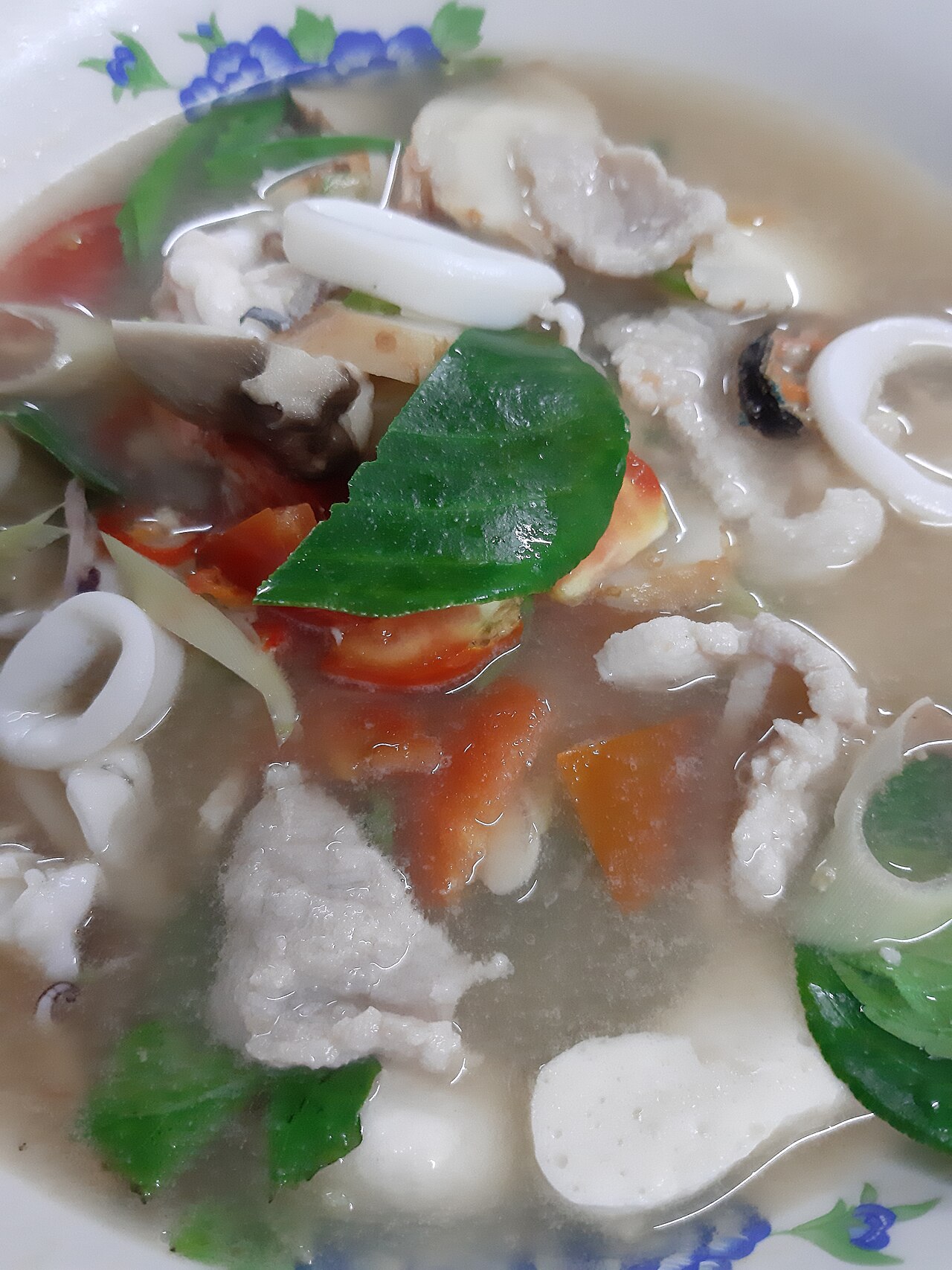
The finished soup should taste lively rather than merely hot. Its woody aromatics contribute fragrance but are not intended to be chewed like vegetables.
Bright & Fragrant Tom Yum
Planning totals add preparation, cooking and listed waits. Overlapping stages may shorten the schedule; ingredient and equipment differences can lengthen it.
Ingredients
Times and base yield refer to the original recipe. Scaling quantities does not automatically change pan size, temperature or cooking time.
Step-by-step method
The steps describe the base batch (4 servings). The calculator changes the ingredient list only; amounts written in the steps, equipment and timing remain for that base batch.
Step 1
Peel and devein shrimp, simmer shells in water for 10 minutes and strain.
Step 2
Bruise lemongrass and add to the broth with galangal and torn lime leaves.
Step 3
Simmer gently for 5 minutes, then add mushrooms and tomatoes.
Step 4
Add shrimp and cook just until opaque and at least 63°C / 145°F.
Step 5
Take off the heat and stir in fish sauce, lime juice, crushed chiles and roasted chile paste.
Step 6
Taste for a clear balance of sour, salty and hot, removing woody aromatics before serving or warning diners not to eat them.
Why this version works
Use the shells for a short clean stock
The 500 grams of shrimp are weighed with shells in this recipe, so the edible yield is smaller than the same weight of peeled shrimp. Peel and devein them first, keeping flesh chilled while shells simmer. Ten minutes extracts useful flavor without turning the preparation into an all-day stock project. Strain through a fine sieve and avoid pressing gritty debris into the liquid. If using already peeled shrimp, replace the water with a mild seafood stock or a clear unsalted stock, acknowledging that the shell flavor will be less prominent.
Prepare a removable aromatic bundle for four bowls
Keep the two bruised lemongrass stalks, galangal slices and four lime leaves in large recognizable pieces. Infuse them in the strained shrimp-shell broth before mushrooms and shrimp enter. Remove the largest pieces with tongs before dividing the soup, or leave them clearly recognizable and tell diners they are for aroma. Put coriander and lime beside the bowls rather than adding them during the shell-stock stage. This sequence gives each serving the same broth base without asking the delicate shrimp to wait through aromatic preparation.
Balance a cooled spoonful at the finish
Fish sauce contributes salt and fermented depth, while lime supplies the sour finish. Add part of each, stir and taste a cooled spoonful so intense heat does not obscure the balance. The roasted chile paste in this version can contribute sweetness, oil and savoriness as well as chile. Check its label and taste, especially if it already contains fish or shrimp ingredients. More lime will not repair a salty broth, and more fish sauce will not make stale aromatics fresh. If the soup needs dilution, add hot unsalted liquid before making the final adjustments.
Keep shrimp and mushrooms distinct
Mushrooms need a little time in the infused broth before shrimp are added. Cut large mushrooms into bite-size pieces so the timing remains short. Shrimp should curl and become opaque, but use an appropriate temperature check for certainty: 63°C / 145°F is the target in this guide. Turn off the heat once ready, because the hot broth continues cooking them. Add lime then, rather than boiling it through the entire soup-making process. Tomatoes should soften but remain identifiable; a prolonged hold makes both seafood and vegetables less appealing.
Decide how much of the prepared seasoning enters the pot
Fish sauce, lime juice, chiles and roasted chile paste are measured separately because they affect different parts of the broth. Start with part of each strong seasoning at the finish and taste a cooled spoonful before adding the remainder. A salted chile paste can reduce how much fish sauce the batch needs. Do not replace lost broth volume with more lime just because the soup should taste sour. The shrimp shells flavor the strained stock; the prepared shrimp and mushrooms should remain distinct pieces in the finished bowls.
Ingredient choices and substitutions
Fresh galangal has a different aroma from ginger, although ginger can be an acknowledged adaptation. Choose firm mushrooms and unsweetened lime juice squeezed close to serving. Chiles vary, so begin with less.
Fixes for this recipe
| What you notice | Likely reason | What to do |
|---|---|---|
| Sour and salty without a clear herbal aroma | Seasonings dominate a broth made with too little or stale lemongrass, galangal and lime leaf. | Infuse fresh aromatics in a small amount of hot water and combine as needed. Do not keep adding acid or fish sauce to a base that lacks fragrance. |
| Shrimp have a tight rubbery bite | They remained simmering while the final seasoning and table setup were completed. | Prepare garnishes and bowls first and add shrimp only near serving. Remove cooked shrimp temporarily if the broth needs further reduction or adjustment. |
| Hard fibrous pieces interrupt eating | Infusion aromatics were chopped too small or not distinguished from edible vegetables. | Keep stems and galangal slices large, remove them before serving where practical and tell diners clearly about any retained aromatic pieces. |
Recipe-specific questions
Can bottled lime juice replace fresh lime in tom yum?
It can provide acidity, but often lacks the fresh aroma that makes the finish lively. If using it, begin with less and taste. Fresh lemongrass and lime leaves remain important; a larger bottled-juice quantity does not replace them.
Does this tom yum need evaporated milk?
No. This particular recipe is a bright shrimp broth with roasted chile paste and no added milk. Other versions use dairy for a different finish, but adding it here changes richness and seasoning rather than correcting an omission.
Can I remove the shrimp shells from the shopping list?
Yes, if convenience matters, but use a suitable mild stock in place of plain water. Keep the same short shrimp cook and add salt-containing stock cautiously because fish sauce and chile paste also season the bowl.
Serving and storage
Serve with jasmine rice and a mild vegetable dish rather than another strongly acidic soup. Offer a few extra fresh chile slices separately, allowing heat adjustment without disturbing the sour-salty balance of the whole pot.
The strained aromatic broth can be made ahead and chilled promptly. Add fresh shrimp when reheating for the meal, then finish with lime. If storing cooked soup, refrigerate promptly and expect the shrimp to firm during reheating; remove woody aromatics before storage so they do not complicate portioning.
An AI-assisted editorial guide, not independently kitchen-tested. The photograph is a serving example. How we prepare and correct our guides.
For safe handling, consult FDA guidance. Send recipe corrections by email to ZYS10.