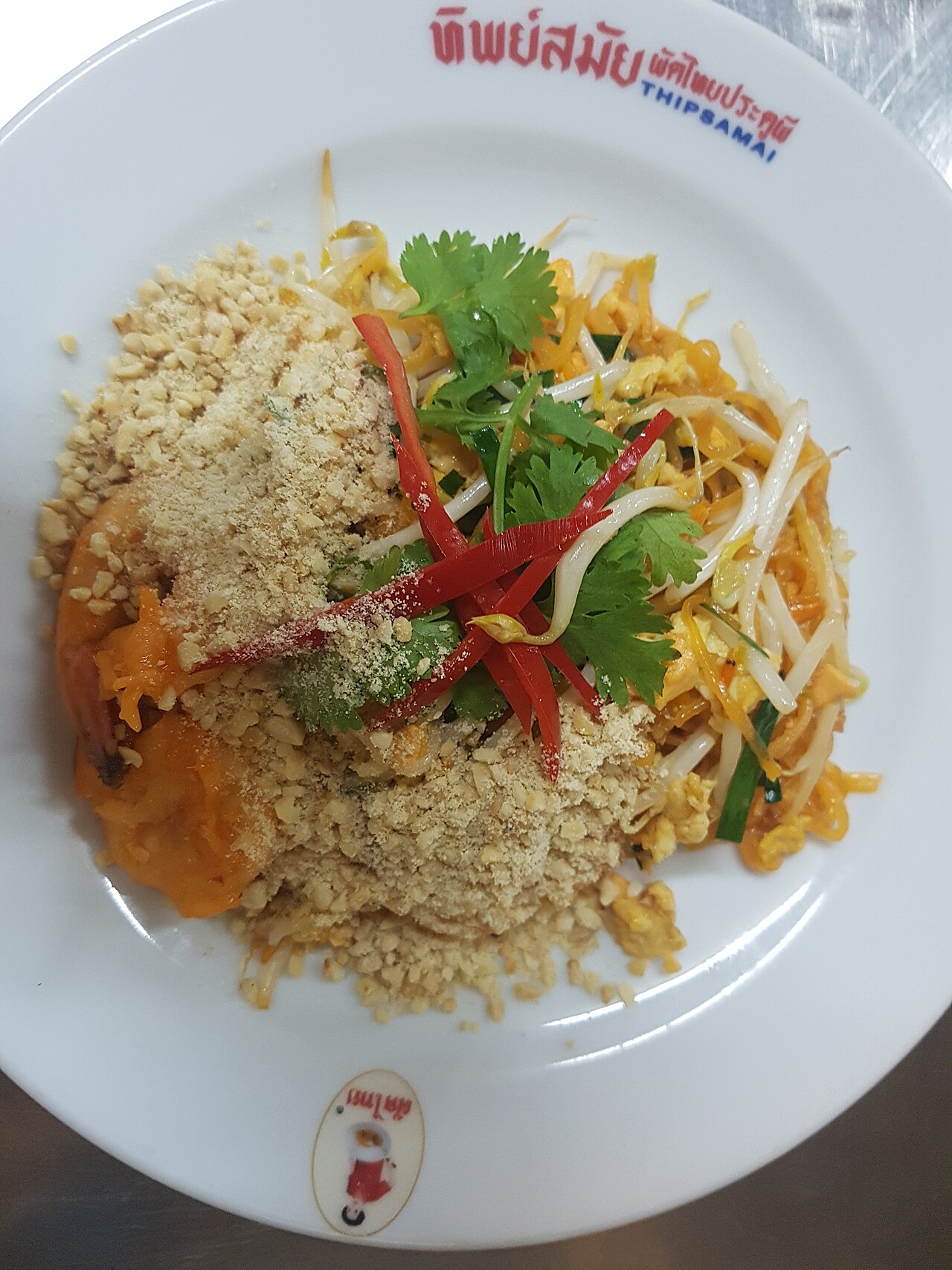
The strands should finish cooking in the pan while taking up a measured tamarind dressing. If they enter already soft, vigorous tossing quickly turns them into fragments. Prepare the sauce, sprouts and peanuts before heating the pan, and divide the batch when the burner cannot keep up.
Tamarind Pad Thai
Preparation includes noodle hydration as an estimate. Follow your noodle package and allow more time when its soaking instructions require it.
Planning totals add preparation, cooking and listed waits. Overlapping stages may shorten the schedule; ingredient and equipment differences can lengthen it.
Ingredients
For fractional eggs, beat an extra egg or yolk and measure the required fraction.
Times and base yield refer to the original recipe. Scaling quantities does not automatically change pan size, temperature or cooking time.
Step-by-step method
The steps describe the base batch (4 servings). The calculator changes the ingredient list only; amounts written in the steps, equipment and timing remain for that base batch.
Step 1
Soak rice noodles according to the package until flexible but not fully tender, then drain.
Step 2
Dissolve tamarind, fish sauce and palm sugar with two tablespoons of warm water and taste for balance.
Step 3
Heat oil in a wok or wide pan and cook shrimp until just opaque.
Step 4
Push shrimp aside, scramble the eggs briefly, then add noodles and sauce.
Step 5
Toss over high heat, adding water a spoonful at a time until noodles become tender and shrimp reach 63°C / 145°F.
Step 6
Fold in sprouts and chives briefly and finish with peanuts and lime.
Why this version works
Identify the tamarind product before measuring
The sauce quantity assumes a pourable Thai-style tamarind puree, not every product sold as concentrate. Some dark dense products are substantially stronger and would make three tablespoons overwhelming. Taste a tiny amount diluted in water and read the label before mixing. The finished sauce should be tangy, savory and sweet enough to round the acidity, with fish sauce providing much of the salt. Palm sugar should dissolve fully so no hard pieces remain. Lime is served separately because fresh citrus adds a different sharpness; it does not need to replace the tamarind base.
Divide noodles and sauce into two finishing batches
For an ordinary home skillet, divide the drained 250 g dried-noodle allowance into two portions before the burner is hot. Divide the prepared sauce, shrimp, eggs, sprouts and chives to match. Cook each half as a complete batch rather than using all the sauce on the first portion and improvising the second. Keep a little plain water within reach for the final hydration adjustment. The noodle guide explains how different widths and brands soak; here the practical aim is two comparably seasoned servings per panful.
Match the batch to a domestic burner
A wide 28–30 centimetre skillet can handle more surface area than a small saucepan, but even that pan may work best in two batches. Keep shrimp in a single layer and remove them briefly if they finish before the noodles. The eggs should set into visible pieces rather than become a raw coating over a large cold noodle mound. Once the noodles and sauce enter, fold and lift with tongs or a spatula rather than chopping through them. A little direct pan contact is useful; continuous forceful stirring is not a substitute for sufficient heat.
Preserve the contrasts at the finish
Bean sprouts and garlic chives need only a short final turn so they keep some crispness and fragrance. Peanuts are a topping, not an ingredient to simmer until soft. Garlic chives have flat leaves and a mild garlic aroma; spring onion greens make a different but practical variation. If using tofu instead of shrimp, choose firm tofu, dry it and brown it separately. A vegetarian version also needs a replacement for fish sauce, and should be rebalanced deliberately. The finished noodles should be glossy and flexible with little loose sauce, not sticky in a heavy sweet coating.
Keep noodle hydration separate from sauce strength
The measured tamarind-fish sauce mixture is seasoning, while small water additions help finish the noodles. If a strand is still firm in a nearly dry pan, reach for water before another spoon of concentrated sauce. Taste once the strand is tender enough to eat; a hard noodle cannot give a useful impression of the final balance. Divide sauce alongside the two noodle portions before stir-frying, then keep lime outside until serving. This prevents the second batch from receiving the remaining sauce simply because the first was adjusted repeatedly by eye.
Ingredient choices and substitutions
Tamarind products vary greatly in strength; taste and dilute concentrated paste as needed. Use flat rice noodles of even width. Fish sauce is already salty, so the dish does not need automatic additional salt.
Fixes for this recipe
| What you notice | Likely reason | What to do |
|---|---|---|
| A tightly clumped mass of broken noodles | The noodles were over-soaked or roughly stirred in a crowded pan. | Stop pulling them apart aggressively. Work in smaller portions next time and begin with a firmer soaked noodle, adding water gradually during the final cook. |
| The sauce tastes sharply sour even after adding sugar | A very strong tamarind concentrate was measured like ready-to-use puree. | Dilute the sauce before adding noodles and rebalance it with fish sauce and sugar in small increments. Do not attempt to hide an extreme acidic concentration under a large sweet topping. |
| Cooked shrimp become firm before noodles soften | Both components stayed in the pan for the full hydration stage. | Lift shrimp out when ready, finish noodles with measured water and return the seafood near the end. Check raw shrimp reaches 63°C / 145°F rather than relying only on a timing estimate. |
Recipe-specific questions
Can I use wide fresh noodles for this Pad Thai?
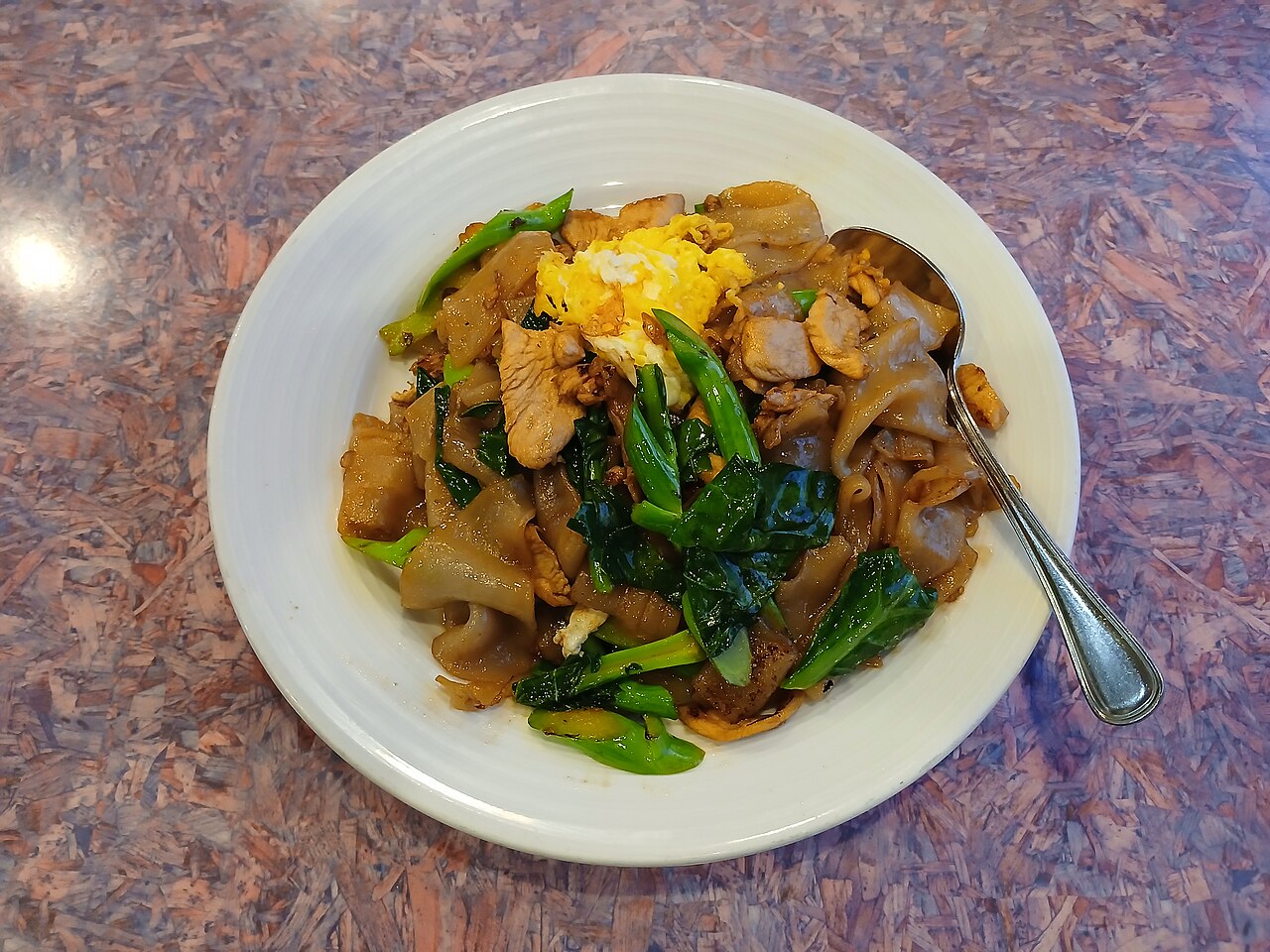
Fresh broad noodles produce a different dish and are more suited to preparations such as Pad See Ew. For this method choose dried flat rice noodles of a suitable medium width, then adjust soaking to that particular product.
Is ketchup a substitute for the tamarind sauce?
It can produce a sweet tomato-flavored noodle variation, but does not reproduce tamarind’s fruity acidity. If tamarind is unavailable, describe the change honestly and rebalance a small sauce batch before cooking rather than calling it equivalent.
Why are the lime wedges kept outside the sauce?
Tamarind already supplies the main acidic base. Lime adds fresh citrus at the table, allowing each diner to adjust without making the entire pan excessively sharp. Taste a complete bite before squeezing it over everything.
Serving and storage
A simple vegetable side works better than another rich noodle dish. Offer extra sprouts, peanuts and lime separately so the balance can be adjusted without wetting the entire serving.
Prepare sauce and dry toppings ahead, but keep soaked noodles for prompt cooking rather than a prolonged wet hold. Refrigerate cooked leftovers promptly; reheat gently with a small splash of water, accepting softer noodles and sprouts. Freshly crushed peanuts and a new lime wedge restore contrast but cannot recreate the original pan texture.
An AI-assisted editorial guide, not independently kitchen-tested. The photograph is a serving example. How we prepare and correct our guides.
For safe handling, consult FDA guidance. Send recipe corrections by email to ZYS10.