The name can mislead English shoppers into buying buckwheat soba, which behaves differently. This version uses cooked yakisoba noodles and a measured sauce, making preparation before heating the pan especially important.
Weeknight Yakisoba
Planning totals add preparation, cooking and listed waits. Overlapping stages may shorten the schedule; ingredient and equipment differences can lengthen it.
Ingredients
Times and base yield refer to the original recipe. Scaling quantities does not automatically change pan size, temperature or cooking time.
Step-by-step method
The steps describe the base batch (4 servings). The calculator changes the ingredient list only; amounts written in the steps, equipment and timing remain for that base batch.
Step 1
Mix Worcestershire sauce, soy sauce, ketchup and sugar in a small bowl.
Step 2
Loosen the noodles according to the package instructions, then drain well.
Step 3
Brown the pork in a wide hot pan with oil until cooked through.
Step 4
Add onion and carrot, stir-fry for 2 minutes, then add cabbage.
Step 5
Push the vegetables aside and add noodles, letting a few edges color before tossing.
Step 6
Pour over the sauce and toss briskly until the noodles are evenly coated and hot.
Why this version works
Start with the right noodle format
Look for cooked or steamed wheat noodles labeled for yakisoba. They may be sold refrigerated or shelf-stable and can need brief warming or loosening before frying. Follow that package step, then drain away surface water. Dry buckwheat soba is not the same ingredient and should not be substituted with identical handling. The written 400 g refers to cooked noodles, not a dry packet of that weight. If converting from another noodle, check its cooked yield rather than assuming the dish will contain the same proportion of vegetables and sauce.
Cut pork and vegetables for a short cook
Thin pork slices should be easy to separate and broad enough not to vanish into dry crumbs. Onion and carrot need a little head start, while cabbage is added later so it retains some bite. Match the carrot's thinness to the quick timing rather than leaving thick coins. Keep the cabbage pieces manageable on a fork or chopsticks. A wide skillet works well for a home portion, but the full batch can crowd a small pan. If vegetables release a pool of water, cook in two rounds rather than hoping extra sauce will improve the texture.
Use sauce as a coating rather than a broth
Worcestershire sauce, soy sauce, ketchup and sugar provide a practical savory-tangy mixture. Brands vary in sweetness and fish content, so taste before it touches raw meat and read labels when relevant. The sauce should be ready in a small bowl before the pork enters the pan. Pour around the noodles after they have loosened and heated, then toss briskly so it coats the strands. Do not keep adding bottled sauce simply because some noodles are pale; first turn the mixture thoroughly and check whether the existing liquid has distributed.
Allow brief contact with the metal
Once the pork and vegetables are almost ready, push them aside and spread the noodles across part of the hot surface. Give them a short undisturbed interval before lifting and turning, producing a little color without drying every strand. This is difficult in a deep crowded pile, which mostly steams. Add the mixed sauce and combine, stopping when the noodles are hot and evenly coated. A home hob does not need to imitate a restaurant burner through extreme heat; smaller batches and orderly preparation give more predictable control over garlic, pork and noodles.
Separate noodle-package liquid from the measured sauce
Some cooked noodle packs need brief warming or rinsing to loosen, while others separate directly. Follow the pack, then drain away that loosening water before the noodles enter the pan. It is not part of the Worcestershire-soy-ketchup sauce allowance. If the noodles carry a puddle into the vegetables, the sauce becomes diluted and the pan spends longer evaporating instead of coating. Prepare the sauce in its own bowl and keep vegetable cuts thin, so adding more seasoning is not used to compensate for water that should have been drained earlier.
Ingredient choices and substitutions
Look for steamed wheat noodles labeled yakisoba rather than assuming the dish uses buckwheat soba. Thin pork shoulder or belly works well. Check Worcestershire sauce ingredients if avoiding fish.
Fixes for this recipe
| What you notice | Likely reason | What to do |
|---|---|---|
| The noodles break into short fragments. | They were cold and stuck together, then pulled apart forcefully in the pan. | Loosen the remaining noodles according to their package before frying. Fold gently with a broad spatula instead of chopping repeatedly through a stiff block. |
| Water collects beneath the stir-fry. | The pan was overcrowded or noodles and vegetables entered wet. | Let excess moisture evaporate briefly and reduce the next batch size. Add no more sauce until the existing liquid is concentrated enough to coat rather than flood the noodles. |
| The sauce tastes sharply salty. | A concentrated soy or Worcestershire product was used generously or reduced too far. | Mix in more plain cooked noodles or unsalted vegetables if available. For the next batch, measure the sauce and taste its components before adding table salt. |
Recipe-specific questions
Can chicken replace pork in yakisoba?
Yes. Thin chicken slices make a practical variation and should be cooked to the appropriate poultry temperature before the final toss is finished. Keep the same modest thickness so their timing suits the vegetables rather than adding large raw chunks to a quick noodle dish.
Why is ketchup included?
A small amount supplies sweetness, acidity and body in this accessible home sauce. It is not intended to make the dish taste like tomato pasta. Measure it with the other ingredients instead of squeezing a large unmeasured quantity directly over the finished noodles.
Can the dish be vegetarian?
Use tofu or additional vegetables and check the Worcestershire sauce, which commonly contains fish. Some noodle packs and prepared sauces also need label checks. The variation should be seasoned deliberately rather than assuming a meat-free ingredient list automatically makes every bottled component vegetarian.
Serving and storage
Serve with a little pickled ginger or finely sliced spring onion for a fresh contrast. A crisp cucumber side is useful, while another strong sauce can make the combined meal saltier than intended.
Cool leftovers promptly in shallow containers and refrigerate. Reheat a portion in a wide pan with a small splash of water, covering briefly to warm the center and then uncovering to evaporate excess moisture. Repeated reheating dries thin pork and softens cabbage, so prepare only the portion needed for that meal.
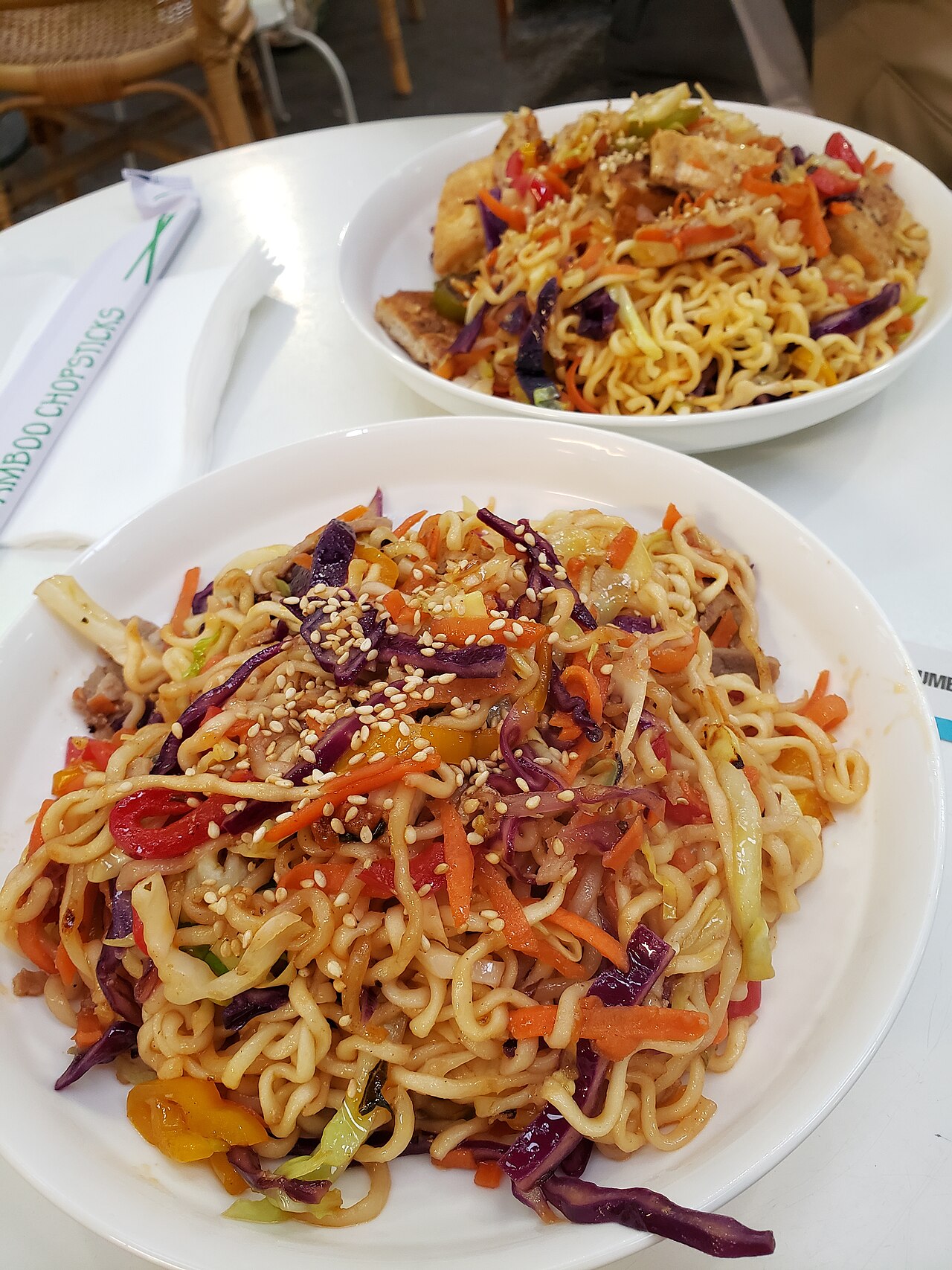
An AI-assisted editorial guide, not independently kitchen-tested. The photograph is a serving example. How we prepare and correct our guides.
For safe handling, consult FDA guidance. Send recipe corrections by email to ZYS10.