It differs from simpler egg-free churro traditions, so the recipe should be judged by its own intended texture. The important controls are cooking the flour paste, cooling it before adding eggs and frying evenly sized short lengths.
Cinnamon Sugar Churros
Includes 5 minutes cooling the cooked flour paste before adding eggs. Frying time depends on batch size.
Planning totals add preparation, cooking and listed waits. Overlapping stages may shorten the schedule; ingredient and equipment differences can lengthen it.
Ingredients
For fractional eggs, beat an extra egg or yolk and measure the required fraction.
Times and base yield refer to the original recipe. Scaling quantities does not automatically change pan size, temperature or cooking time.
Step-by-step method
The steps describe the base batch (About 16 small churros, 4 servings). The calculator changes the ingredient list only; amounts written in the steps, equipment and timing remain for that base batch.
Step 1
Bring water, butter, one tablespoon of sugar and salt to a simmer.
Step 2
Add flour all at once and stir over low heat for 2 minutes until the dough forms a ball.
Step 3
Cool for 5 minutes, then beat in eggs one at a time until the mixture is smooth and pipeable.
Step 4
Transfer to a strong piping bag with a large open star nozzle and heat oil to 175°C / 347°F.
Step 5
Pipe short lengths carefully into the oil, cutting with clean scissors and frying until deeply golden.
Step 6
Drain briefly on a rack and roll while warm in caster sugar mixed with cinnamon.
Why this version works
Cook the flour paste until cohesive
Bring the measured water, butter, sugar and salt to a simmer so the butter melts and the seasoning dissolves. Add flour all at once and stir firmly over low heat. The mixture should gather into a ball and leave a thin film on the pan rather than remain a loose floury slurry. That short cooking stage hydrates the starch and removes some excess water. Scrape around the corners where dry flour can hide. Do not brown the paste aggressively: the final golden flavor develops during frying, while a burnt base would carry bitterness into every piece.
Cool before incorporating the eggs
Move the paste off the heat and let it lose its fierce steam before adding eggs. Beat in one at a time, allowing the mixture to come back together before the next addition. It may look separated briefly and then smooth as mixing continues. Egg size and the amount of water lost from the pan affect final consistency, so the dough should be thick enough to retain ridges while still passing through a strong piping bag. A runny batter spreads unpredictably in oil, while an excessively dry paste encourages dangerous force on the bag and nozzle.
Use a sturdy bag and an open star nozzle
The star shape creates ridges and a relatively even cross-section that fries efficiently. A large open metal star tip and a strong bag are more practical than a tiny decorative nozzle that requires excessive pressure. Clear any blockage while the bag is away from hot oil, never by squeezing harder toward your hand. Pipe short similar lengths and cut with clean scissors held safely above the pan. If direct piping feels awkward, prepare a few short lengths on suitable paper for careful transfer according to a safe frying setup, keeping water away from the oil.
Fry for a cooked center, then sugar while warm
Heat oil toward the written 175°C / 347°F in a heavy pan with generous headroom. Add a small batch so the temperature can recover, and turn pieces for even color. A deep golden shell is useful, but test the first cooled sample to make sure its center is tender rather than raw paste. Very long thick pieces can brown outside before cooking through. Drain on a rack briefly, then roll while warm in the cinnamon sugar so it adheres. Leaving them until completely cold before coating gives a loose dusty sugar layer instead of an integrated finish.
Keep sugar for dough separate from sugar for finishing
The tablespoon of sugar cooked into the paste and the larger caster-sugar coating allowance have different jobs. Set the finishing sugar and cinnamon in a wide shallow dish before heating the oil so newly drained churros can be rolled while their surfaces still catch the coating. Do not add the coating sugar to the dough to avoid leftovers: that changes the frying mixture. Short, consistent lengths are easier to turn and compare than a mixture of long coils and small pieces. Leave surplus coating in its own dish rather than packing it onto the last churro.
Ingredient choices and substitutions
Use a sturdy piping bag and a metal star nozzle, since the dough is thick. Fresh neutral frying oil keeps the cinnamon flavor clean. Ground cinnamon loses aroma with long storage, so smell it before using.
Fixes for this recipe
| What you notice | Likely reason | What to do |
|---|---|---|
| The center is wet and pasty. | Pieces were too thick or oil too hot, coloring the outside before the middle cooked. | Lower the heat slightly and pipe shorter narrower pieces. Test one finished sample after a brief cooling pause before committing the remaining dough to the same shape and timing. |
| The dough is too difficult to pipe. | The paste is very dry, cool or trapped behind an undersized nozzle. | Check the nozzle and bag away from the stove. Use an appropriate large star tip and do not apply uncontrolled force; revise the dough consistency cautiously rather than squeezing until the equipment fails. |
| The churros soften immediately. | They were piled in a bowl, covered while hot or removed before the crust dried sufficiently. | Drain in a single layer on a rack and serve promptly. Keep finished pieces uncovered during a short hold, accepting that the freshest batch has the strongest crisp-tender contrast. |
Recipe-specific questions
Why does this recipe contain eggs?
Eggs create a richer, more tender interior in this particular home version. Other churro formulations use water, flour and seasoning without eggs. Neither should be substituted into the other's quantities casually, because removing eggs changes both moisture and structure.
Can the dough be made ahead?
A short covered refrigerated hold may be practical, but the dough becomes firmer and can be harder to pipe cold. Follow safe handling for egg-containing dough and avoid leaving it warm beside the fryer. Frying close to serving gives better texture than cooking a large batch hours ahead.
Is chocolate sauce required?
No. Cinnamon sugar provides a complete simple finish. If serving chocolate sauce, keep it in a small dipping bowl rather than pouring it over all the churros, which softens the ridges and makes the dessert much sweeter and heavier.
Serving and storage
Serve small warm portions with a modest dipping sauce or fresh fruit on the side. A light cinnamon coating lets the fried dough remain noticeable; a thick sugary blanket can hide whether the center is properly cooked and overwhelms the contrast with a bittersweet chocolate dip.
Churros are at their best shortly after frying. Cool any leftovers completely before storing so trapped steam does not soak them, then reheat briefly on a rack for a firmer exterior. Keep raw egg-containing dough refrigerated if not used promptly and discard contaminated leftover coating ingredients as appropriate. Reheated pieces will not perfectly reproduce the first crisp crust.
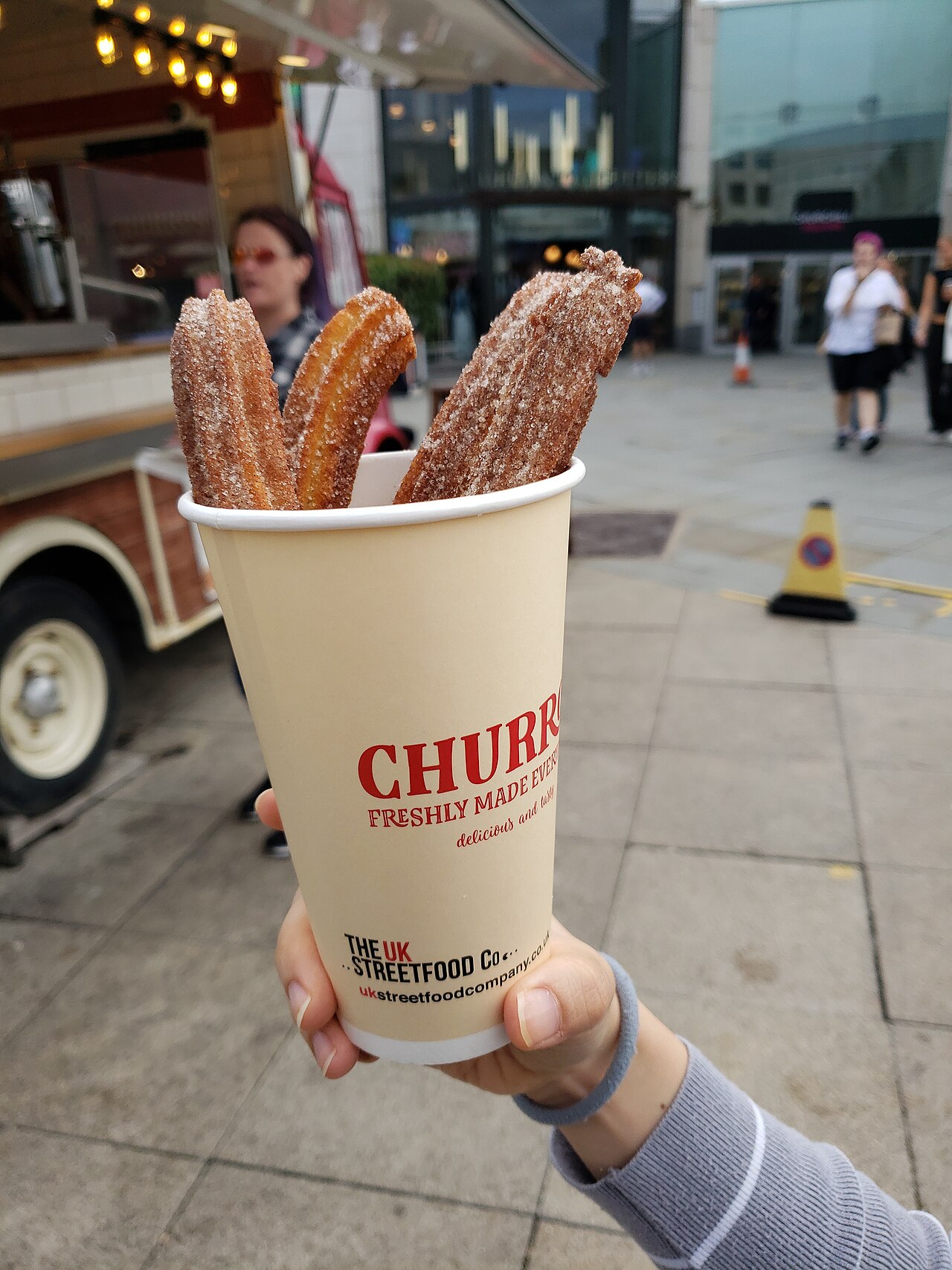
An AI-assisted editorial guide, not independently kitchen-tested. The photograph is a serving example. How we prepare and correct our guides.
For safe handling, consult FDA guidance. Send recipe corrections by email to ZYS10.