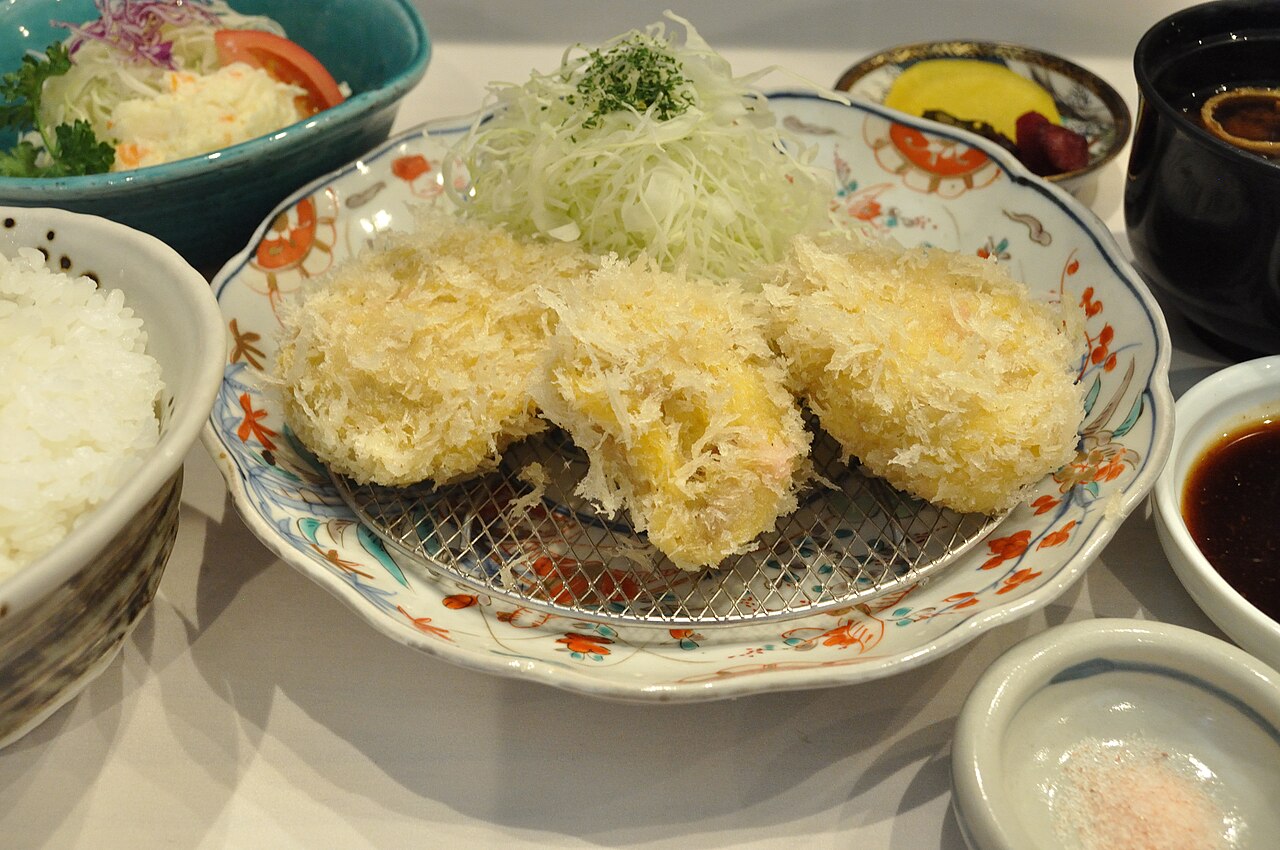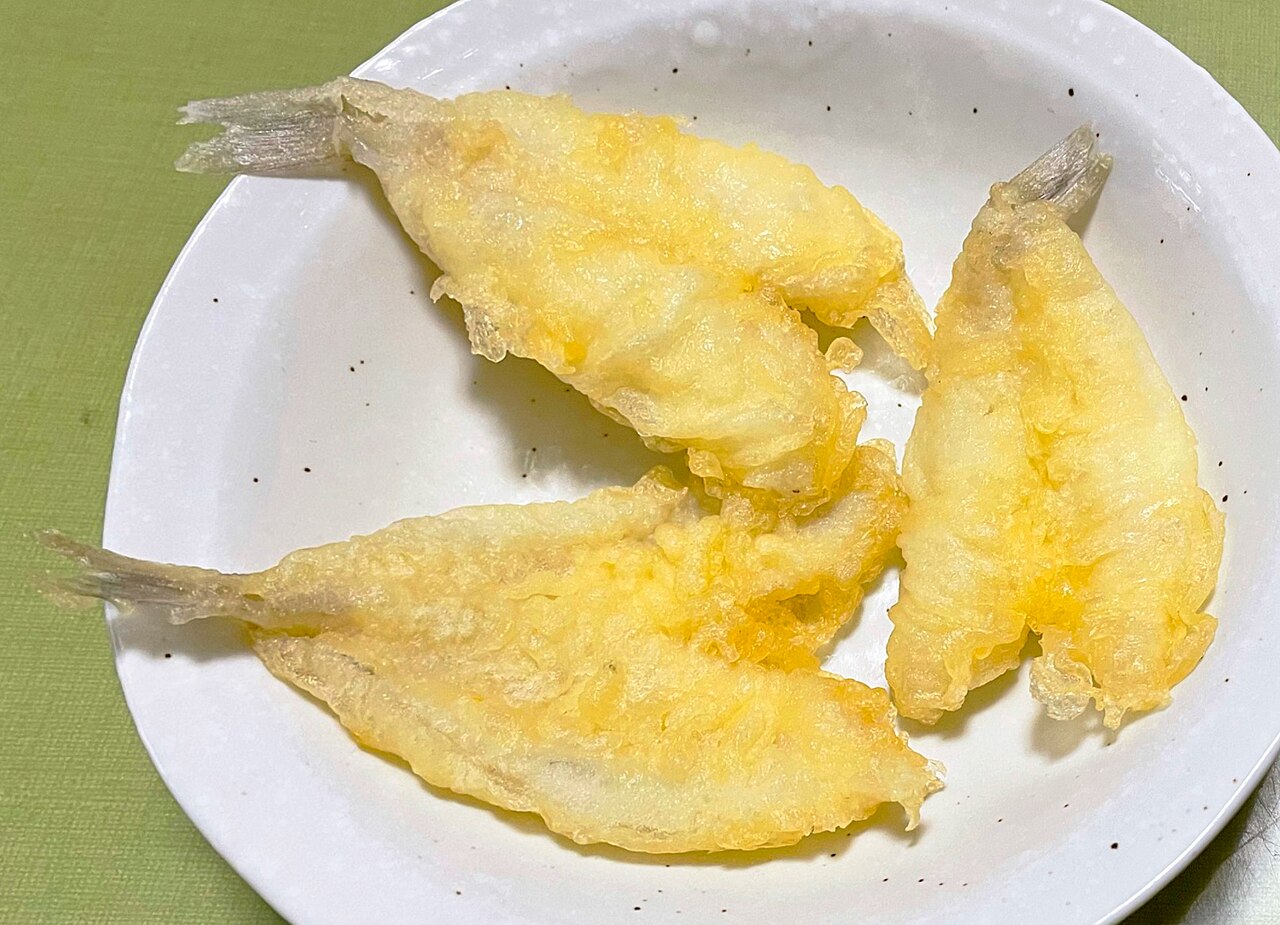
A thick smooth shell is a different fried texture. The cold lightly mixed batter matters, but so do dry ingredients, thin root-vegetable slices and batches small enough that the oil stays near its intended temperature.
Light Vegetable & Shrimp Tempura
Planning totals add preparation, cooking and listed waits. Overlapping stages may shorten the schedule; ingredient and equipment differences can lengthen it.
Ingredients
For fractional eggs, beat an extra egg or yolk and measure the required fraction.
Times and base yield refer to the original recipe. Scaling quantities does not automatically change pan size, temperature or cooking time.
Step-by-step method
The steps describe the base batch (4 servings). The calculator changes the ingredient list only; amounts written in the steps, equipment and timing remain for that base batch.
Step 1
Dry shrimp and vegetables thoroughly and make shallow cuts along the shrimp bellies to reduce curling.
Step 2
Heat oil in a heavy deep pan to 175°C / 347°F and set a rack nearby.
Step 3
Combine flour and cornstarch, then mix the egg with ice-cold water separately.
Step 4
Stir wet ingredients into the flour briefly with chopsticks, leaving small lumps.
Step 5
Dip ingredients lightly and fry in small batches, cooking shrimp until opaque and at least 63°C / 145°F.
Step 6
Drain on a rack and serve immediately with warm dipping sauce.
Why this version works
Prepare vegetables for the same short frying window
Slice the sweet potato thinly, around a few millimeters rather than into thick wedges. Green beans can remain whole if slender, while very thick ones benefit from trimming and a slightly longer cook. Root vegetables need enough time to soften before the batter becomes dark. Dry every ingredient after washing and keep prepared pieces separate so wet shrimp do not soak vegetables. A light dusting of flour can help batter adhere to particularly slippery surfaces, but shake away excess. The batter should remain a translucent-looking film before frying rather than a thick dough jacket.
Keep shrimp straight without tearing the flesh
Peel and devein the shrimp, keeping the tail if you like the serving appearance. Make shallow cuts across the belly side to reduce curling, then straighten gently without cutting through. Shrimp of similar size cook more consistently than a mixture of small and jumbo pieces. Pat dry just before coating. A large cold shrimp cools the local oil more than a thin bean does, so do not assume every ingredient needs the same batch size or time. Use a safe internal-temperature check for the shrimp rather than judging only the color of the batter.
Mix the batter only when the oil is ready
Combine the egg and ice-cold sparkling water separately, then stir briefly into the flour mixture. Small flour lumps are acceptable; a long vigorous whisk makes the batter smoother but develops a stronger structure than this light coating needs. The sparkling water is a convenient cold liquid, not a substitute for temperature control. Keep the bowl cool and avoid adding melting ice cubes without measuring, because they change the liquid ratio. If a long frying session is planned, smaller fresh batter portions are more predictable than one bowl standing warm beside the stove.
Watch the oil recover between batches
Use a deep heavy pan with enough headroom, never filled more than halfway. Heat toward the written 175°C / 347°F and lower coated pieces carefully away from your body. The temperature drops after adding cold food; add only enough that the oil can recover promptly. Lift stray batter fragments between batches before they burn. Drain cooked pieces on a rack rather than a deep paper-lined bowl. Do not cover tempura while waiting for the remaining batch, because steam rapidly softens the delicate shell. Serve successive small plates instead of treating it as a dish that improves during holding.
Use vegetable thickness to organize the frying order
A sweet-potato slice and a green bean do not become tender at the same speed simply because both have batter. Sort the prepared ingredients into groups before mixing the final batter, and keep root slices thin enough for this short frying method. Cook similar pieces together so one batch has a clear removal point. Keep a few uncoated pieces back until their turn rather than leaving the whole quantity submerged in batter. Shrimp batches still require their own doneness check, while tender vegetables should not remain frying until the last dense root finishes.
Ingredient choices and substitutions
Use dry firm vegetables and shrimp of similar size. Slice root vegetables thinly so they cook before the batter overcolors. A refined neutral oil with a suitable frying temperature keeps the flavor clean.
Fixes for this recipe
| What you notice | Likely reason | What to do |
|---|---|---|
| The coating is thick and bready. | The batter was overmixed, too concentrated or applied with heavy flour dusting. | Loosen a small test portion with a little cold water and stir minimally. Coat one piece lightly before continuing rather than diluting the entire bowl without checking its behavior. |
| The vegetables are hard inside. | Dense pieces were cut too thick for the brief frying interval. | Slice the remaining root vegetables thinner. Finish already fried thick pieces separately if needed, recognizing that extended cooking will darken and toughen their coating. |
| The tempura feels oily and limp. | Oil temperature fell sharply or cooked pieces sat in trapped steam. | Reduce batch size, let the oil recover and move pieces to an open rack. Adding more oil to the batter does not correct a cold crowded frying pan. |
Recipe-specific questions
Can ordinary cold water replace sparkling water?
Yes, it can make a useful batter variation. Keep it very cold and avoid overmixing. The practical controls of thin coating, suitable ingredient thickness and stable frying temperature remain more important than assuming carbonation alone guarantees a crisp result.
Why not add salt to every coating stage?
The dipping sauce already brings seasoning, and salting wet vegetables early can draw out additional water. Keep the written preparation simple, then season a cooked test piece through the dip. A little finishing salt can be offered separately if that is the chosen serving style.
Can tempura wait in a warm oven?
A brief rack hold is possible, but the fragile texture fades quickly. If serving guests, prepare all ingredients and the dip first, then fry small rounds that can be eaten promptly. A large covered platter waiting for the whole meal is the least forgiving arrangement.
Serving and storage
Serve with a small bowl of dipping sauce and plain rice or noodles. Keep the dip separate so diners can moisten one bite rather than saturate the whole shell, and avoid rich creamy accompaniments that obscure its light texture.
Tempura is best eaten fresh. Chill leftover seafood promptly and reheat thoroughly on a rack if saving it, accepting a denser coating. Do not save raw shrimp batter for another day: it has contacted uncooked seafood. Let frying oil cool safely before filtering or storing, and discard oil that has deteriorated or taken on burnt flavors.
An AI-assisted editorial guide, not independently kitchen-tested. The photograph is a serving example. How we prepare and correct our guides.
For safe handling, consult FDA guidance. Send recipe corrections by email to ZYS10.