A thick coating cannot compensate for uneven meat, and a dark exterior cannot prove the center is ready. This recipe works best when the trimming, coating station and draining rack are organized before any oil is heated.
Crisp Pork Tonkatsu
Includes at least 3 minutes resting after the pork reaches 63°C / 145°F. Frying time depends on chop thickness and batches.
Planning totals add preparation, cooking and listed waits. Overlapping stages may shorten the schedule; ingredient and equipment differences can lengthen it.
Ingredients
For fractional eggs, beat an extra egg or yolk and measure the required fraction.
Times and base yield refer to the original recipe. Scaling quantities does not automatically change pan size, temperature or cooking time.
Step-by-step method
The steps describe the base batch (4 servings). The calculator changes the ingredient list only; amounts written in the steps, equipment and timing remain for that base batch.
Step 1
Cut small slits through the fat edge of each chop so it will not curl, then flatten gently to even thickness.
Step 2
Season the pork and coat in flour, shaking off the excess.
Step 3
Dip into egg, then press into panko to create an even loose coating.
Step 4
Heat oil in a deep heavy pan to 170°C / 338°F, keeping the pan no more than half full.
Step 5
Fry in small batches until golden and the pork reaches at least 63°C / 145°F, then rest for 3 minutes.
Step 6
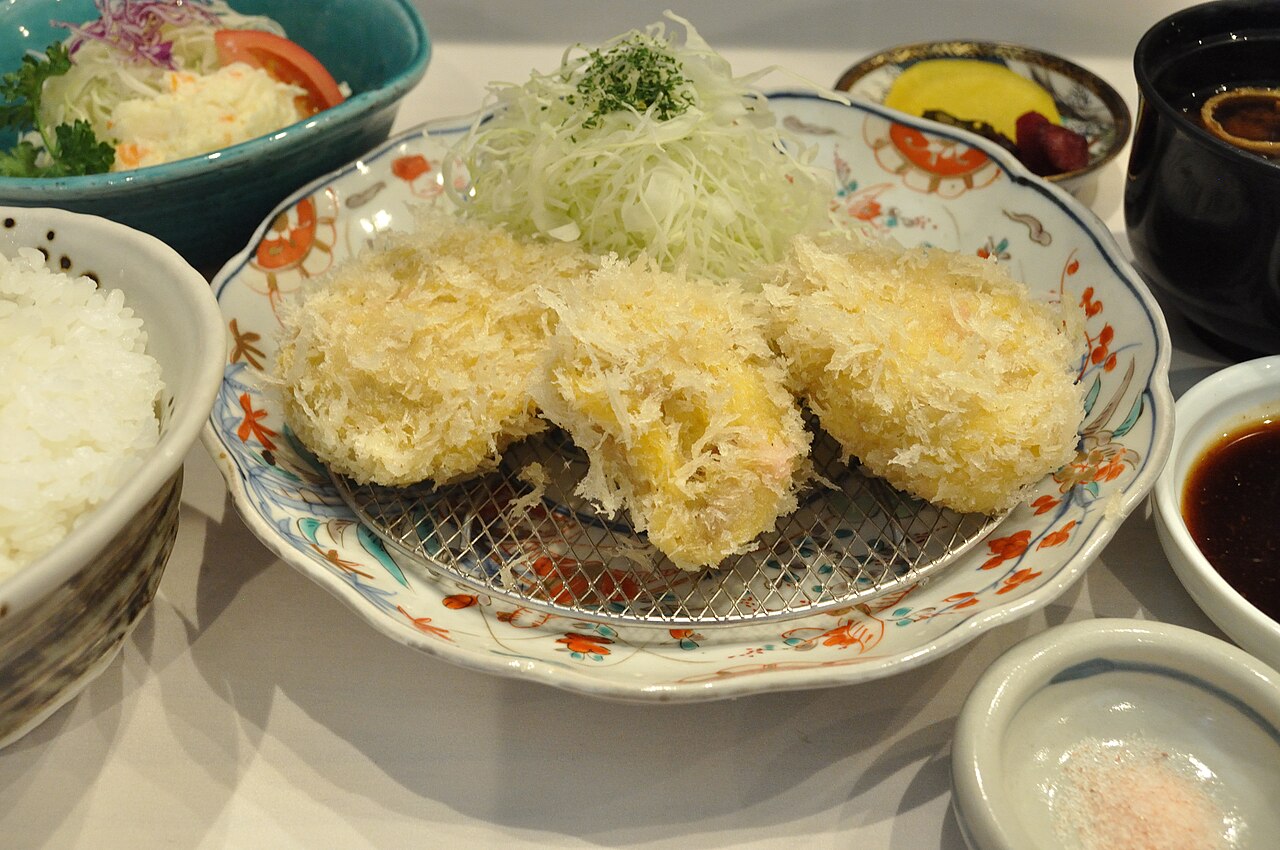
Drain on a rack and slice into strips, serving with shredded cabbage and tonkatsu sauce.
Why this version works
Prepare a chop that lies flat
Choose four chops of similar weight and thickness, about 150 g each. Small cuts through the outer fat band interrupt the tight edge that can pull the meat into a cup during frying. Flatten gently only where one area is notably thicker; pounding the entire chop very thin changes the intended balance between meat and crust. Pat the pork dry before seasoning. A damp surface creates a slippery layer beneath flour and makes the breading more likely to detach in one large piece when the finished cutlet is sliced.
Build three thin coherent layers
Set flour, beaten egg and panko in separate broad dishes. Coat the pork lightly in flour and shake it so no chalky mound remains. The egg then has a dry surface to cling to, and the panko attaches to that thin egg film. Press crumbs enough to secure them without grinding their open structure into powder. Fine ordinary breadcrumbs can make a recognizable fried cutlet, but their denser texture differs from large airy panko. Keep one hand for wet coating and the other for dry crumbs to reduce thick clumps forming on your fingers.
Size the oil bath for safe working space
The written 700 ml is an approximate working quantity, not a command to fill any available pan to the same level. Use a heavy pot or skillet with generous headroom and keep oil below half its depth. Heat to around 170°C / 338°F and fry one or two chops at a time depending on their footprint. The oil must be able to circulate around the edges. A drop in temperature after adding meat is normal; allow a controlled recovery rather than switching immediately to maximum heat and overshooting as the water evaporates.
Drain on a rack and slice after resting
Check the thickest center with a thermometer and follow the specified safe pork temperature and rest. Lift with tongs without crushing the crust, then place on a rack so steam can escape underneath. A flat paper-lined plate absorbs some oil but also holds moisture against the lower crust. Cut across the chop with a sharp knife after the short rest and keep the slices close enough to retain warmth. Offer sauce alongside or in a narrow stripe rather than soaking every crumb before the cutlet reaches the table.
Choose chop thickness before judging the oil quantity
The listed weight does not define the thickness of a pork chop. A wide thin chop and a compact thick one can both weigh about the same but need different cooking attention. Even the pieces gently before coating and compare the thickest points rather than matching only their outlines. The oil must allow safe frying in your chosen pan while leaving generous headroom; it is not a required amount to consume. If the coating browns early, check the center rather than using exterior color as permission to shorten the rest.
Ingredient choices and substitutions
Choose chops with a little fat at the edge and a consistent thickness. Large airy Japanese-style panko gives a lighter result than very fine dry crumbs. Refined neutral oil is better suited to frying than strongly aromatic oil.
Fixes for this recipe
| What you notice | Likely reason | What to do |
|---|---|---|
| The crust detaches in a sheet. | The pork was wet, excess flour remained or the coating was handled roughly during frying. | Press the next coating gently and shake off surplus flour. Turn only after the first side has set rather than repeatedly moving a loose raw-coated chop. |
| The panko is dark while pork is undercooked. | The oil was too hot or the chop had an unusually thick section. | Finish the meat carefully in a moderate oven while checking temperature. Next time even the thickness and fry at a controlled lower temperature. |
| The underside softens immediately. | Steam is trapped on a flat plate or under stacked cutlets. | Move the cutlets to a wire rack and keep them separated. Sauce only at serving, and do not tightly cover fried pieces that are meant to remain crisp. |
Recipe-specific questions
Can tenderloin be used instead of loin?
Yes, as smaller medallions with their own shorter cooking time. The result is often called a tenderloin-style cutlet rather than the same large loin chop. Cut pieces evenly and use the thermometer, since their small size makes overcooking easy.
What replaces bottled tonkatsu sauce?
A small mixture of ketchup, Worcestershire sauce and a little sweetness can provide a practical home dip, adjusted to taste. Check Worcestershire labels if fish is an issue. Keep the substitute separate and do not assume its salt or acidity exactly matches a Japanese bottled sauce.
Can this exact coating be air-fried?
An air fryer makes a different cooking environment with less surrounding oil. Panko often needs a light oil treatment or pre-toasting to color evenly. Follow an air-fryer-specific method and verify pork temperature rather than copying the deep-frying minutes unchanged.
Serving and storage
Finely shredded cabbage, plain rice and a small amount of tangy sauce give the rich cutlet freshness and contrast. Dry the cabbage after washing so its water does not soak the crust where both share the plate.
Cool leftovers promptly and refrigerate without a heavy sauce coating. Reheat on a rack in an oven or air fryer until thoroughly hot, accepting that the pork will become more cooked. A microwave is convenient but softens panko. Keep raw breading ingredients separate and discard flour, egg or crumbs contaminated during coating rather than returning them to their packages.
An AI-assisted editorial guide, not independently kitchen-tested. The photograph is a serving example. How we prepare and correct our guides.
For safe handling, consult FDA guidance. Send recipe corrections by email to ZYS10.