This version bakes tortilla wedges and combines them briefly with warm salsa verde. Prepare the toppings first, because the chips continue absorbing sauce as soon as they meet it.
Salsa Verde Chilaquiles
Planning totals add preparation, cooking and listed waits. Overlapping stages may shorten the schedule; ingredient and equipment differences can lengthen it.
Ingredients
Times and base yield refer to the original recipe. Scaling quantities does not automatically change pan size, temperature or cooking time.
Step-by-step method
The steps describe the base batch (4 servings). The calculator changes the ingredient list only; amounts written in the steps, equipment and timing remain for that base batch.
Step 1
Bake tortilla wedges with oil at 200°C / 392°F for 12–15 minutes, turning once, until crisp.
Step 2
Reserve a thin slice from the listed half onion for garnish and finely slice it. Simmer the remaining onion with tomatillos, jalapeño and garlic in water until the tomatillos soften.
Step 3
Drain and blend with stock and coriander, then season to taste.
Step 4
Simmer the salsa in a wide pan for 5 minutes to bring the flavors together.
Step 5
Add the tortilla wedges and fold briefly so some pieces soften while others retain bite.
Step 6
Top with crumbled queso fresco, sour cream and the reserved sliced onion.
Why this version works
Choose tortillas that can become sturdy chips
Small corn tortillas cut into wedges give a clear maize flavor and enough structure for folding through salsa. Slightly stale tortillas often dry and crisp conveniently, but they must still be sound rather than moldy. Spread the oiled wedges in one layer on a tray and turn during baking. The target is crispness through the center, not merely dark curled edges around a leathery middle. If using bought chips, choose sturdy pieces rather than very thin fragile snack chips, and account for their existing salt before seasoning the salsa.
Cook tomatillos until softened, then drain
Remove papery husks and rinse away the sticky surface before simmering. The tomatillos should become tender enough to blend, not disintegrate into a long-boiled watery puree. Drain them before adding the measured stock so the salsa's liquid is controlled. A small jalapeño gives a starting heat level, but taste and adjust because peppers differ. Blend with coriander after the vegetables are cooked, keeping the resulting sauce smooth enough to coat chips. Green tomatoes can make a different acidic sauce, but they are not identical in flavor to tomatillos.
Set salsa consistency before the chips enter
Simmer the blended salsa for a few minutes in a wide pan. It should flow from a spoon and coat a tortilla wedge without immediately dripping away like water. Very thick puree forms concentrated clumps and leaves some chips dry; very thin salsa collapses them rapidly. Add stock a little at a time if needed rather than assuming the whole allowance must be used. Taste the warm sauce with a chip, since the corn and any existing salt change the balance compared with tasting a spoon of salsa by itself.
Choose a brief toss or a softer simmer
For more contrast, add chips to hot salsa, fold gently just until coated and move immediately to plates. For a softer style, let them sit in the sauce a little longer, watching rather than stirring vigorously. Neither approach benefits from leaving the finished pan waiting while eggs or coffee are prepared. Add crumbled queso fresco and sour cream after portioning so they remain distinct. Keep sliced onion fine and use only a little raw garnish. The plate should be a coherent tortilla-and-salsa dish, not a pile of toppings hiding crushed corn mush.
Decide on crisp edges or a softer tortilla bowl
The same baked wedges can produce different textures depending on how long they remain in salsa. For crisp edges, have bowls, cheese and sour cream ready before the brief toss and serve immediately. For a deliberately softer bowl, allow more salsa contact, but check the wedge texture before adding more stock. A wedge that is already saturated cannot regain crispness from a dry garnish. Keep a few unsauced wedges aside only if you want a separate crunchy finish; do not describe that garnish as a repair of the softened pieces underneath.
Ingredient choices and substitutions
Choose firm tomatillos with dry papery husks and rinse off their sticky surface. Stale corn tortillas often crisp well. If using bought chips, choose sturdy unsalted or lightly salted ones.
Fixes for this recipe
| What you notice | Likely reason | What to do |
|---|---|---|
| The chips turn to paste almost immediately. | They were too thin, under-crisped or mixed with excessive watery salsa. | Use sturdier fully crisp chips for the next batch and reduce sauce before combining. The current softer version can still be eaten, but vigorous stirring will only break it down further. |
| Some wedges are dry while others are heavily coated. | The salsa was too thick or added in isolated spoonfuls. | Loosen the sauce with a small amount of warm stock and fold gently. Use a broad pan and an even sauce layer so the chips can contact it without repeated crushing. |
| The dish tastes too salty after adding cheese. | Salted chips, seasoned stock and queso fresco compounded one another. | Use less cheese and serve a plain side. Next time taste salsa with the actual chips and cheese before deciding on additional salt. |
Recipe-specific questions
Can red salsa be used instead?
Yes, red chilaquiles are a useful variation with their own chile-tomato profile. Use a cooked spoon-coating salsa and apply the same texture decision at the final stage. The recipe becomes a different sauce version rather than a reason to add red sauce on top of the full green quantity.
Can this be meal-prepped?
The salsa and baked chips can be prepared separately, with the chips kept dry and the salsa refrigerated. Combine only the portion being eaten. A fully mixed chilled box will be soft by design and cannot be expected to return to crisp-edged chilaquiles simply through reheating.
Should an egg be cooked in the salsa?
This version treats an egg as a separately cooked optional topping so chip texture remains under control. Prepare it before the final toss and choose a fully set egg when needed for the diners. Waiting for a raw egg to set inside the mixed chips can over-soften them.
Serving and storage
Serve with beans or a separately cooked egg for a fuller meal. Radish or finely sliced onion adds a little crunch, while a small amount of dairy tempers the salsa without erasing its bright tomatillo character.
Store salsa chilled in a covered container and chips dry in a separate sealed container once fully cool. Reheat salsa thoroughly before combining a fresh portion. If saving mixed chilaquiles, chill promptly and expect a soft texture after reheating; keep dairy toppings and any cooked egg under appropriate refrigerated storage rather than leaving them on a warm serving platter.
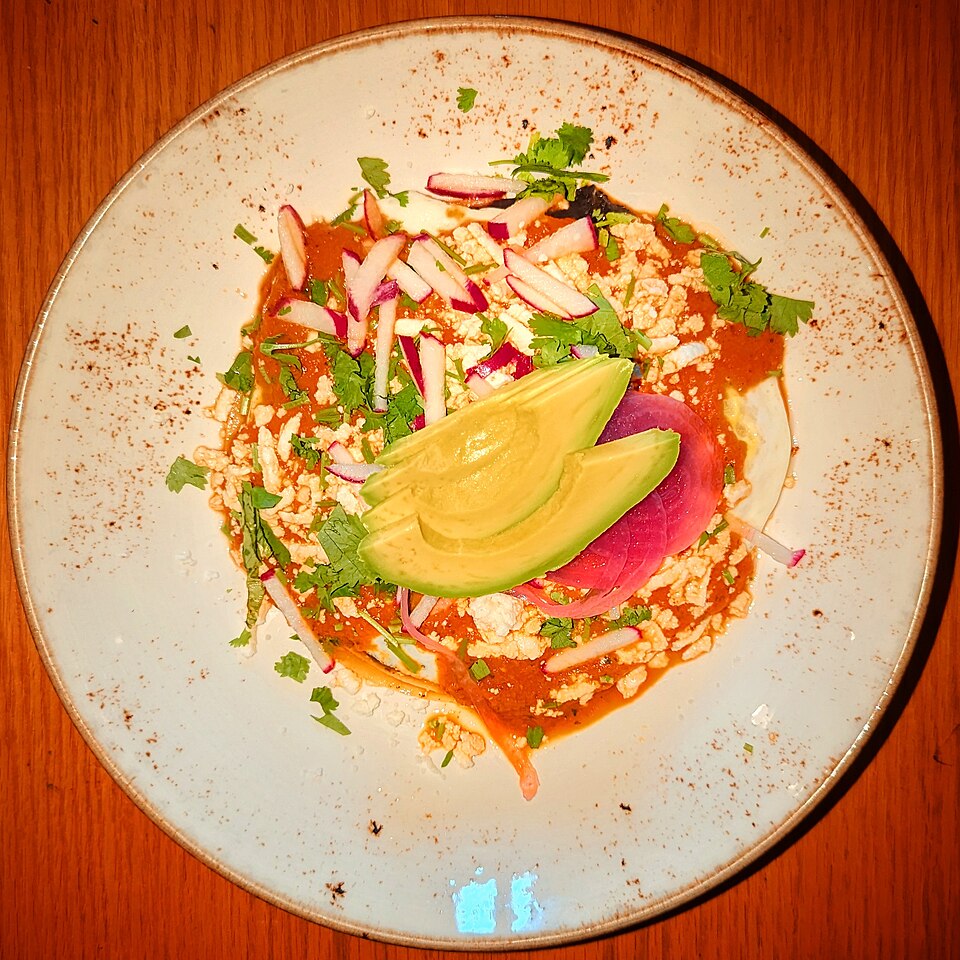
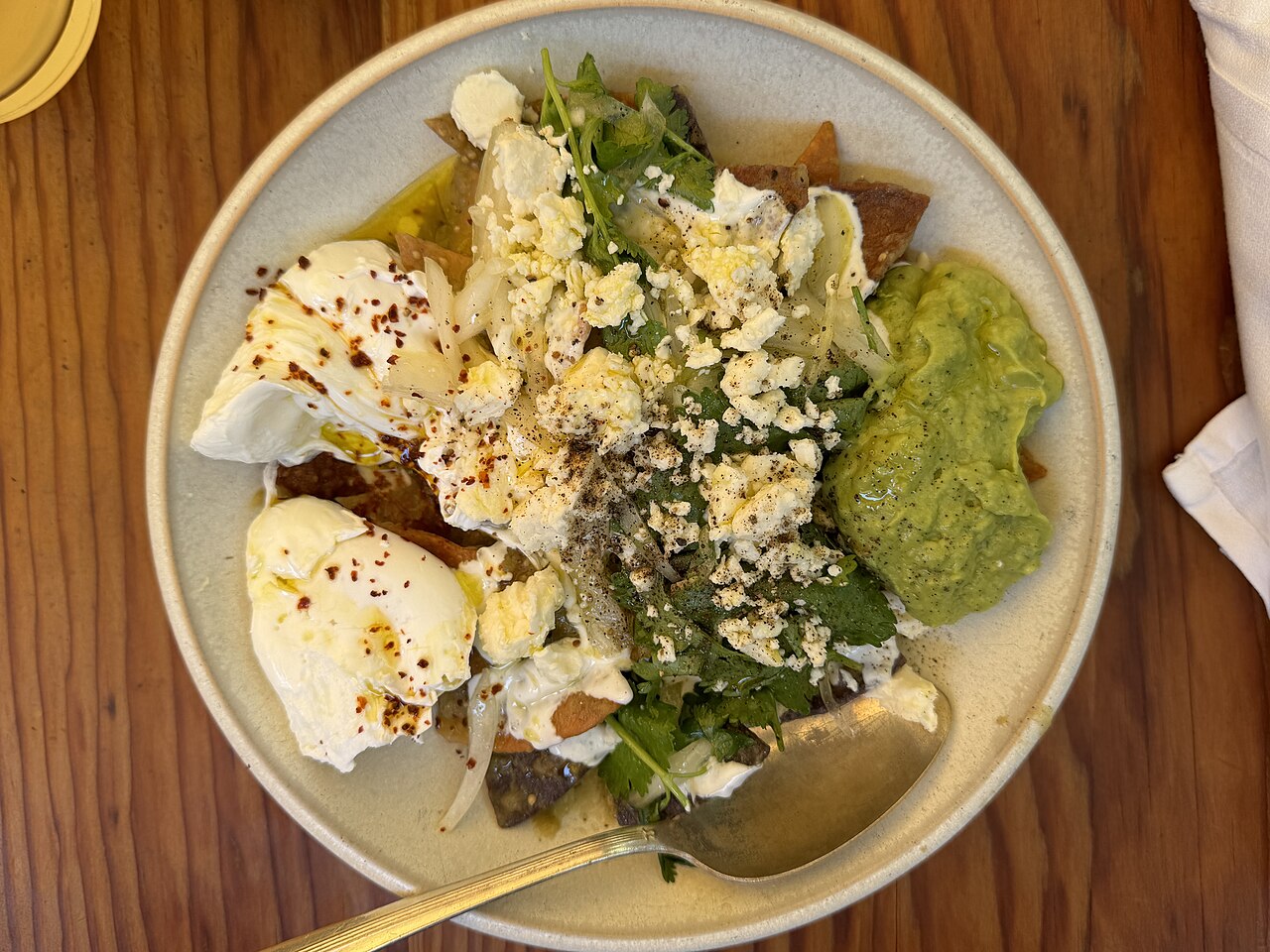
An AI-assisted editorial guide, not independently kitchen-tested. The photograph is a serving example. How we prepare and correct our guides.
For safe handling, consult FDA guidance. Send recipe corrections by email to ZYS10.