In this version the thighs are cooked before the sauce reduces, giving control over those two jobs separately. A broad pan, evenly sized meat and a small amount of water are more useful than an elaborate bottled seasoning collection.
Glossy Chicken Teriyaki
Planning totals add preparation, cooking and listed waits. Overlapping stages may shorten the schedule; ingredient and equipment differences can lengthen it.
Ingredients
Times and base yield refer to the original recipe. Scaling quantities does not automatically change pan size, temperature or cooking time.
Step-by-step method
The steps describe the base batch (4 servings). The calculator changes the ingredient list only; amounts written in the steps, equipment and timing remain for that base batch.
Step 1
Pat the chicken dry and trim large loose pieces of fat, keeping the thighs whole.
Step 2
Mix soy sauce, mirin, water, sugar and ginger in a small bowl.
Step 3
Heat oil in a skillet and cook the chicken skin-side down if present for 6–8 minutes.
Step 4
Turn and continue cooking until the thickest part reaches 74°C / 165°F, then transfer briefly to a plate.
Step 5
Pour off excess fat, add the sauce and simmer until lightly syrupy.
Step 6
Return the chicken, coat on both sides and slice before scattering with spring onion.
Why this version works
Keep the thighs whole until after cooking
Whole boneless thighs are easier to brown without drying than very small cubes. Unfold them and trim loose flaps of fat, checking that no hidden bone remains. If one side is much thicker, open it slightly with a knife rather than pounding every piece paper-thin. Pat the surface dry so the pan can brown it instead of steaming it. Skin-on thighs give a crisp fatty surface, while skinless thighs produce a leaner result; both work, but the quantity of rendered fat left before making sauce will differ noticeably.
Know what your mirin contributes
The sauce combines soy sauce, mirin, sugar and a little water. Mirin products differ in sweetness, salt and alcohol content, so read the label before assuming every bottle is interchangeable. Taste the mixed sauce before it touches raw chicken. A sweet mirin-style seasoning may justify holding back some sugar initially. If avoiding alcohol entirely, use a clearly alcohol-free seasoning or an acknowledged alternative made with water and a little additional sweetness. A short reduction should not be described as guaranteeing complete alcohol removal from regular mirin.
Render and brown before adding sugar
For skin-on thighs, begin with the skin against the pan and allow time for fat to emerge. A 28 cm skillet can hold several pieces with small gaps; use two batches if the 700 g quantity overlaps. Turn when the surface is golden and cook the thickest portion to the stated poultry temperature. Remove the meat to a clean plate, then pour off excess oil while leaving a thin film. Adding the sweet sauce at the beginning would make the pan darken long before the center of a thick thigh was cooked.
Stop reducing while the glaze still moves
Pour the sauce into the warm skillet and scrape up brown, not black, deposits. As water evaporates, the bubbles become slower and more rounded and the liquid begins coating a spoon. Return the chicken before the sauce becomes candy-like, turning it through several thin coats. If it tightens too far, add a teaspoon of water away from your face and lower the heat. Slice across the grain only after coating, so the sauce stays on the outside instead of flooding every cut surface with a salty concentrated liquid.
Account for the chicken juices before reducing the glaze
After transferring cooked thighs to a plate, liquid may collect around them. Decide whether the sauce is still watery before returning all of those juices. Add them during reduction, not after the glaze has reached its final coating consistency, and allow the mixture to simmer again. Otherwise a glossy sauce can turn thin at the last moment. Slice chicken across its width only after coating, and spoon on enough glaze to season each piece rather than flooding the rice. The soy, mirin and sugar mixture is concentrated seasoning, not a separate bowl of gravy.
Ingredient choices and substitutions
Thigh meat stays juicy more readily than breast in this method. Use a naturally brewed soy sauce and taste the mirin; sweet cooking seasonings differ in sugar content. Choose a neutral oil rather than strongly flavored sesame oil for searing.
Fixes for this recipe
| What you notice | Likely reason | What to do |
|---|---|---|
| The glaze turns dark and bitter. | Sugar reduced against excessive heat or burnt deposits remained in the pan. | Take the pan off the burner. If only thick, loosen with water; if genuinely burnt, make fresh sauce in a clean pan instead of trying to hide bitterness with more sugar. |
| The chicken looks glossy but is pale underneath. | Moist meat or crowding prevented browning before the sauce was introduced. | Accept the softer texture for this batch and verify doneness. Next time dry the meat and brown it in smaller batches before reducing the sauce. |
| The plate tastes overwhelmingly salty. | Soy sauce was concentrated too far or the mirin-style product also contained significant salt. | Serve less glaze and dilute the remaining pan sauce with water. Use unsalted rice and vegetables alongside it rather than adding extra sauce to everything. |
Recipe-specific questions
Can chicken breast replace thighs?
Yes, but use evenly thick pieces and check temperature promptly because breast has less tolerance for prolonged cooking. Remove it once cooked while reducing the sauce separately. Thin slicing after resting can make a modest quantity feel generous without requiring the meat to simmer in glaze.
Does teriyaki require ginger?
Ginger is included in this home version for a fresh aromatic edge, but the basic glaze can be made without it. Do not compensate by adding a large amount of garlic or sesame oil automatically; each shifts the flavor toward a different sauce.
Can bottled teriyaki sauce be substituted?
It is a convenience variation with its own salt, sugar and thickener balance. Use its package instructions and do not add the full written soy-mirin mixture as well. A pre-thickened product may need very little reduction, so watch the coating rather than following the same sauce timing.
Serving and storage
Plain Japanese rice and lightly cooked broccoli or greens provide a useful background for the concentrated glaze. Add spring onions at the table for freshness, and spoon sauce sparingly so the rice does not become a very salty sweet mixture.
Cool cooked chicken promptly and refrigerate separately from rice when possible. Reheat a portion gently with a spoonful of water, checking that the meat becomes thoroughly hot without boiling the glaze dry. Keep extra sauce from the cooked stage in a clean container; discard sauce or utensils contaminated by raw chicken unless properly cooked.
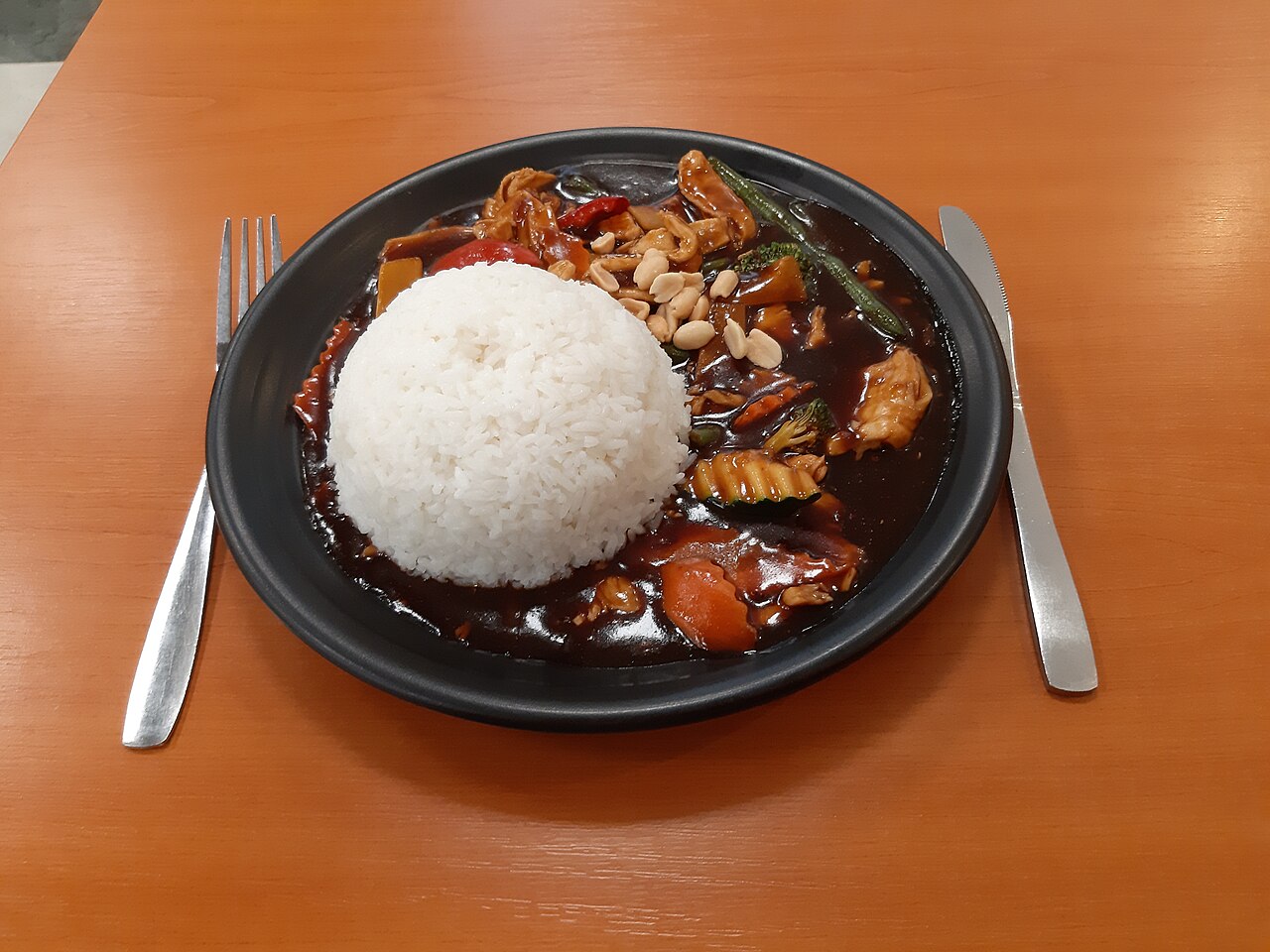
An AI-assisted editorial guide, not independently kitchen-tested. The photograph is a serving example. How we prepare and correct our guides.
For safe handling, consult FDA guidance. Send recipe corrections by email to ZYS10.