Coffee must soften the biscuits without saturating them, and the mascarpone mixture needs enough structure to hold a slice after chilling. This version uses heated yolks and whipped cream, with no added alcohol, and is designed for a small shared dish.
Classic Coffee Tiramisu
Plus at least 6 hours chilling
Planning totals add preparation, cooking and listed waits. Overlapping stages may shorten the schedule; ingredient and equipment differences can lengthen it.
Ingredients
For fractional eggs, beat an extra egg or yolk and measure the required fraction.
Times and base yield refer to the original recipe. Scaling quantities does not automatically change pan size, temperature or cooking time.
Step-by-step method
The steps describe the base batch (1 two-layer 20 cm dessert, 6 servings). The calculator changes the ingredient list only; amounts written in the steps, equipment and timing remain for that base batch.
Step 1
Whisk the yolks and sugar in a heatproof bowl over barely simmering water until thick and at least 71°C / 160°F.
Step 2
Remove the bowl from the heat and whisk until cool, then fold in the mascarpone just until smooth.
Step 3
Whip the cream to soft peaks and fold it into the mascarpone mixture in two additions.
Step 4
Dip each biscuit briefly into cooled coffee and arrange a single layer in a 20 cm dish.
Step 5
Spread with half the cream, repeat the layers and cover without pressing the surface.
Step 6
Refrigerate for at least 6 hours, then dust with cocoa immediately before serving.
Why this version works
Build structure before adding mascarpone
The yolks and sugar should become visibly thicker while heated over a gentle water bath. Keep the bowl above the water rather than resting its base directly in boiling water, and whisk around the sides as well as the middle. Check the mixture's temperature with a thermometer instead of assuming foam proves adequate heating. After it leaves the heat, continue stirring until it is no longer warm enough to soften the dairy dramatically. Mascarpone mixed into a hot yolk base can lose the consistency needed to support the finished dessert.
Treat mascarpone gently
Mascarpone is a rich cultured dairy ingredient, not simply a soft cheese that benefits from long vigorous whipping. Smooth it with the cooled yolk mixture only until combined. Whip the separate cream to soft peaks that bend over, then fold it in with broad movements. Stiff dry cream is harder to incorporate and may leave small white clumps. Cream cheese can create a dessert variation, but its sharper tang and firmer body change the result; it should not be described as an invisible replacement for mascarpone.
Allocate the biscuits and coffee to two even layers
Before dipping, arrange the dry biscuits briefly in the 20 cm dish to see how many each layer needs. Break pieces only where they fill a genuine gap, then return them to the dry plate. Dip and assemble one layer at a time, spreading half the filling between them. The 250 ml coffee is a dipping allowance, not a requirement to pour every remaining drop into the dessert. Discard unused coffee rather than flooding the second layer. For diagnosing an already loose dessert, use the separate setting guide.
Chill the layers before judging firmness
A roughly 20 cm dish gives the written ingredient amount a useful layer depth. If the vessel is much wider, the dessert becomes shallower and may need fewer biscuits; if much smaller, a thick center takes longer to become uniformly cold. Cover without pressing onto the cream and refrigerate for at least six hours. Dust cocoa over the surface close to serving, because powder left on overnight absorbs moisture and darkens. A brief clean wipe of the knife between portions gives a more precise slice without altering the recipe.
Choose the serving format before assembling the layers
A two-layer dessert in the specified dish and six individual glasses require different biscuit arrangements, even though the ingredient totals can stay the same. In glasses, break biscuits to fit without crushing them into crumbs and divide filling evenly before starting the second layer. Do not force the entire coffee allowance into small portions simply to empty the bowl. Glasses support a softer filling, but they do not shorten the required refrigeration or correct unsafe handling. Decide the format early so the last portions do not receive only cream or only soaked biscuit.
Ingredient choices and substitutions
Choose unsweetened mascarpone and crisp ladyfingers rather than soft sponge fingers if possible. Freshly brewed strong coffee gives a cleaner flavor than a sweetened coffee drink. This version contains no added alcohol.
Fixes for this recipe
| What you notice | Likely reason | What to do |
|---|---|---|
| Coffee pools at the bottom. | The biscuits were soaked too heavily or additional coffee was poured into the assembled dish. | Spoon portions rather than forcing neat slices. For the next batch, test one biscuit first and leave the unused coffee in its dipping bowl instead of trying to use every drop. |
| The cream is loose before assembly. | The egg mixture remained warm, the cream was underwhipped or mascarpone was overworked. | Chill the bowl briefly and reassess before layering. Chilling may firm softened fat, but it cannot reliably rebuild a mixture that has separated into grainy solids and watery liquid. |
| The cocoa tastes dusty and bitter. | A thick unsweetened layer dominates the delicate cream. | Use a fine sieve and a light even dusting. Offer extra cocoa separately if desired rather than adding a heavy opaque blanket across every portion. |
Recipe-specific questions
Can decaffeinated coffee be used?
Yes. Use a strongly flavored decaffeinated brew and let it cool before dipping. The coffee's bitterness and concentration matter more to the dessert's balance than caffeine. A sweet bottled coffee drink brings additional sugar and dairy, so it is not an equivalent substitution.
Why does this recipe use whipped cream?
Cream supplies an additional aerated structure without relying on uncooked whipped egg whites. It makes this particular home version easier to organize, although other tiramisu traditions use different egg proportions. Fold gently so the lightness introduced by whipping survives the final mixing.
Can tiramisu be frozen?
Freezing is possible, but thawed cream and soaked biscuits may release moisture and feel less delicate. Individual covered portions are easier to thaw evenly in the refrigerator than a deep whole dish. For the best presentation, prepare the dessert a day ahead and keep it chilled rather than freezing it unnecessarily.
Serving and storage
Serve small chilled portions after a meal with moderate richness. Fresh berries can provide acidity on the side, but keep their juice away from the assembled biscuit layers until the dessert reaches the plate.
Keep tiramisu refrigerated and return the remaining dish to the refrigerator after portioning. Because it contains dairy and egg, avoid leaving it on a warm buffet for an extended meal. Make only a quantity that can be used promptly, and use clean serving utensils. The six-hour chill is texture development, not permission to keep the dessert warm before refrigeration.
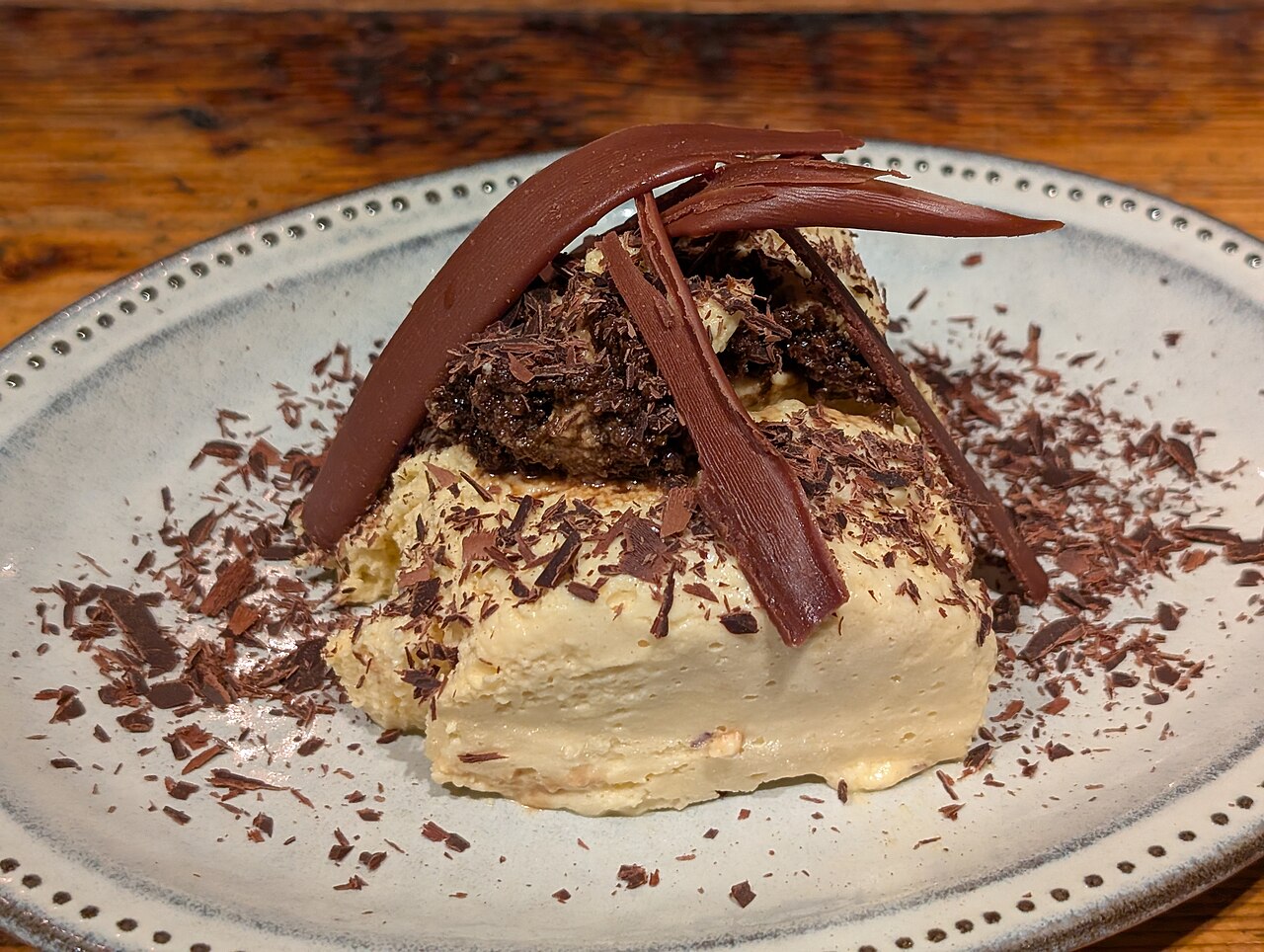
An AI-assisted editorial guide, not independently kitchen-tested. The photograph is a serving example. How we prepare and correct our guides.
For safe handling, consult FDA guidance. Send recipe corrections by email to ZYS10.