Its main challenges are choosing apples that hold shape, controlling caramel color and timing the turn-out. A rimmed serving plate and a suitable skillet should be ready before any sugar melts.
Caramel Apple Tarte Tatin
Plus 10 minutes resting before careful inversion
Planning totals add preparation, cooking and listed waits. Overlapping stages may shorten the schedule; ingredient and equipment differences can lengthen it.
Ingredients
Times and base yield refer to the original recipe. Scaling quantities does not automatically change pan size, temperature or cooking time.
Step-by-step method
The steps describe the base batch (4 servings). The calculator changes the ingredient list only; amounts written in the steps, equipment and timing remain for that base batch.
Step 1
Peel, core and halve apples and toss lightly with lemon juice.
Step 2
Melt sugar gradually in an oven-safe 24 cm skillet until amber, swirling instead of stirring vigorously.
Step 3
Take off the heat and stir in butter and salt carefully because the caramel will bubble.
Step 4
Arrange apples tightly rounded-side down and cook gently for 10 minutes.
Step 5
Cover with cold pastry, tuck in the edges, cut a small vent and bake at 190°C / 374°F for 30–35 minutes.
Step 6
Rest for 10 minutes, then invert carefully onto a rimmed plate using oven gloves.
Why this version works
Use apple structure rather than a famous label alone
The seven apples should be firm enough to remain in halves during their stovetop and oven cooking. Braeburn and Pink Lady are useful examples, but local varieties can work when they soften without immediately becoming puree. Size affects how tightly the halves fit a 24-centimeter skillet, so have one spare apple available rather than leaving large gaps. Remove cores cleanly without cutting the halves into fragile thin shells. Lemon juice slows surface browning while you work, but drain any loose liquid before putting the fruit into caramel. Extra water makes the pan stage longer and more unpredictable.
Take caramel off heat before adding butter
Use a pale pan interior if possible so you can see color clearly. Melt the sugar with patient even heat, swirling gently when needed rather than aggressively stirring dry crystals across the sides. Once the color is amber and the aroma is pleasantly caramel-like, remove the pan from the burner before adding butter. It will bubble and spit, so keep hands and face clear. The caramel continues darkening from retained heat, especially in heavy iron. A smoky black caramel cannot be rescued by the apples; starting again is better than building an entire tart around bitterness.
Pack the apples and account for their juices
Arrange the rounded sides downward because they become the visible top after inversion. Fit the halves tightly, with smaller trimmed pieces filling gaps if necessary. The short stovetop stage begins softening the fruit and lets some juice evaporate before pastry seals the surface. If the skillet contains a large amount of thin liquid, give the apples a little more gentle cooking rather than blindly following a fixed ten minutes. Keep their shape intact with careful movement. A compact fruit layer supports the pastry and makes the turned-out tart more coherent than loosely scattered apple chunks.
Keep pastry cold and plan the inversion
Lay cold puff pastry over the warm fruit, tuck the edges inward and cut a small steam vent. The pastry bakes above the wet filling, which helps its upper surface become crisp. Bake until properly golden rather than removing it at the first pale color. Rest the tart briefly: immediate inversion risks a rush of thin boiling caramel, while a very long cool can make it stick. Use a plate wider than the skillet with a rim to catch syrup. Grip plate and pan firmly with dry oven gloves and turn in one controlled motion, away from children or crowded workspaces.
Check the serving plate before heating caramel
The inversion plate must be larger than the skillet, have a rim to contain syrup and be comfortable to hold securely with the pan. Prepare that arrangement before caramel is hot rather than searching for a plate during the short resting interval. Arrange apple halves tightly because their cooked volume changes; the pastry should cover the fruit without being forced into a thick folded plug. A few gaps are a presentation issue, whereas uncontrolled hot syrup is a handling issue. Do not rush the turn merely to obtain a perfectly tidy-looking tart.
Ingredient choices and substitutions
Choose firm baking apples such as Braeburn or Pink Lady. All-butter puff pastry offers flavor and a light flaky structure. Use a skillet whose handle is oven-safe and a serving plate wider than the pan.
Fixes for this recipe
| What you notice | Likely reason | What to do |
|---|---|---|
| The apples release a watery pool. | The variety is juicy or the initial pan stage did not remove enough moisture. | Cook the apples gently a little longer before adding pastry. After baking, spoon excess liquid carefully into a pan and reduce separately if needed rather than soaking the pastry with it. |
| The tart sticks after cooling. | Caramel firmed against the skillet before inversion. | Warm the base very gently on the hob to loosen it, then invert carefully. Do not prise the tart out with a knife while the pan is unstable. |
| The pastry is pale and soft in the middle. | It needed more baking, or the fruit layer contained too much moisture. | Bake until the pastry is deeply golden and the layers look set. A decorative brown edge alone does not establish that the center is cooked. |
Recipe-specific questions
Can I use shortcrust instead of puff pastry?
Yes, but the texture becomes crumbly rather than layered and flaky. Roll an unsweetened shortcrust evenly and adjust baking by its appearance. Do not describe the two crusts as identical.
Do I need a special Tatin tin?
No. A 24-centimeter oven-safe skillet can work if its handle is rated for the oven. Check that your serving plate is wider before starting, since discovering this during inversion is inconvenient and unsafe.
Can I turn it out well before dinner?
You can, but the pastry gradually absorbs caramel and loses crispness. For the best contrast, bake and invert reasonably close to serving, while allowing the brief rest needed for safer handling.
Serving and storage
Serve warm with a small spoon of unsweetened cream or plain crème fraîche. Their cool tang balances caramel better than another highly sweet sauce.
Refrigerate cooled leftovers in a covered container. Rewarm a portion in a moderate oven to improve the pastry, accepting that it will not be as crisp as freshly baked. Do not microwave the whole tart repeatedly or leave it sitting in warm caramel for a long holding period.
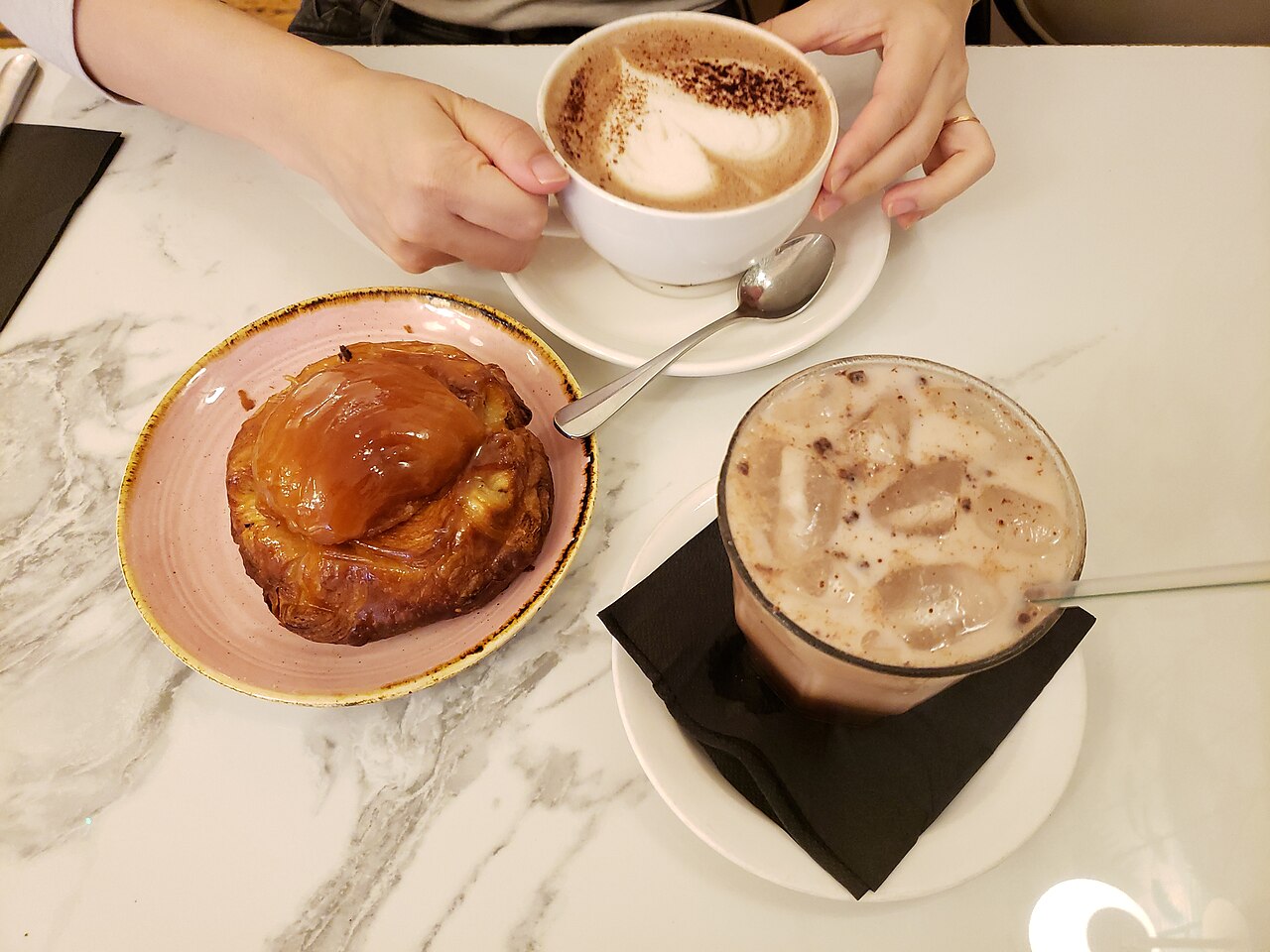
An AI-assisted editorial guide, not independently kitchen-tested. The photograph is a serving example. How we prepare and correct our guides.
For safe handling, consult FDA guidance. Send recipe corrections by email to ZYS10.