The recipe's dashi stage, tofu warming stage and miso finishing stage have different purposes. Separating them prevents the common result of salty boiled miso surrounding tofu that has been stirred into fragments.
Miso Soup with Tofu & Wakame
The shorter total omits the optional 20-minute kombu soak; allow the longer total if soaking before heating.
Planning totals add preparation, cooking and listed waits. Overlapping stages may shorten the schedule; ingredient and equipment differences can lengthen it.
Ingredients
Times and base yield refer to the original recipe. Scaling quantities does not automatically change pan size, temperature or cooking time.
Step-by-step method
The steps describe the base batch (4 servings). The calculator changes the ingredient list only; amounts written in the steps, equipment and timing remain for that base batch.
Step 1
Soak kombu in the water for 20 minutes if time allows, then warm gently.
Step 2
Remove kombu just before the water boils, add bonito flakes and turn off the heat.
Step 3
Let the flakes settle for 5 minutes, then strain the dashi through a fine sieve.
Step 4
Rehydrate wakame separately, drain it and cut any large pieces.
Step 5
Warm tofu and wakame in the dashi, then dissolve miso with a ladleful of broth in a small bowl.
Step 6
Stir the diluted miso into the pan off the heat and finish with spring onions.
Why this version works
Make a gentle dashi rather than a long-boiled stock
Kombu and bonito release flavor quickly compared with the bones used in a meat stock. Put the kombu in the measured water and warm gradually after the optional soak. Remove it before a vigorous boil, then steep the bonito off the heat and strain without pressing the flakes aggressively. The resulting liquid should taste clean and savory, not resemble a heavily reduced fish broth. A prepared dashi product is a practical shortcut, but check whether it already includes salt before deciding how much miso the final soup needs.
Let the miso type guide the quantity
Three tablespoons is a starting amount for this particular liter of broth, not a universal rule for every miso. Pale miso often tastes sweeter and milder, while a darker longer-fermented product can be stronger and saltier. Put part of the measured miso in a small bowl and work in a ladleful of hot dashi until smooth. Add it to the pan and taste before adding the remainder. This avoids finding a dense undissolved lump in one serving and a nearly unseasoned broth in another.
Handle tofu according to its firmness
Silken tofu gives a delicate texture but should be cut with a sharp knife and slid gently into the broth. Small cubes warm quickly; they do not need a long rolling boil. Stir around rather than through them. If only firm tofu is available, it makes a more substantial variation with a less custardy bite. Do not try to make it soft by boiling for a long time. Keep the tofu pieces modest enough that a small soup bowl can hold a balanced share of broth, seaweed and tofu in each serving.
Rehydrate wakame separately and finish late
Four grams of dried wakame expands into a noticeable amount of seaweed. Soak it in a separate bowl, drain and cut large fronds before adding them. This gives control over quantity and prevents a dry folded piece from expanding unexpectedly across the whole bowl. Warm the tofu and wakame in dashi first, then turn off the heat and add the dissolved miso. The soup should be hot enough to enjoy but not repeatedly boiled while other dishes finish. Slice spring onions finely and add them near serving so their fresh aroma remains distinct.
Use the strained dashi volume as a practical checkpoint
Some liquid remains with kombu, bonito flakes and the sieve, so the strained broth may not look identical to the starting litre. Notice the yield before adding all the miso. A noticeably reduced broth takes the same paste more strongly; add miso in stages and taste a cooled spoonful with tofu. Do not squeeze a wet mass of flakes forcefully merely to recover every drop. For a planned small batch, scale the complete broth and solids together rather than keeping all the paste and reducing only the water.
Ingredient choices and substitutions
Kombu should smell clean and marine rather than stale. A white surface powder can be natural and does not need aggressive washing. White miso is mild; red miso is stronger, so begin with less and taste.
Fixes for this recipe
| What you notice | Likely reason | What to do |
|---|---|---|
| The soup is too salty. | A concentrated miso or salted instant dashi was used at the full written amount. | Dilute with unsalted dashi or water, then reassess the proportion of solids. Add miso in stages next time instead of treating the spoon measure as a fixed salinity. |
| Miso gathers in grainy clumps. | The paste was dropped directly into the pot without being loosened. | Lift a little broth into a bowl and dissolve the clumps gently before returning it. Do not crush delicate tofu while trying to whisk the entire saucepan smooth. |
| Seaweed overwhelms the bowl. | The dried quantity was judged by eye without accounting for expansion. | Remove some rehydrated wakame and save it appropriately for another immediate use. Weigh the dry amount for the next batch and keep the small-bowl serving size in mind. |
Recipe-specific questions
Is bonito dashi vegetarian?
No. Bonito flakes come from fish. For a vegetarian variation, use kombu and dried shiitake stock and check any instant dashi or miso label. The change gives a different aroma, but it preserves a clear savory broth without pretending fish-derived ingredients are plant-based.
Should the white coating be washed off kombu?
A light natural surface coating can be part of the kombu rather than dirt. Wipe away visible debris gently instead of scrubbing every pale trace away. Discard kombu that is moldy or smells abnormal, and follow the storage directions of the product you bought.
Why does miso settle after the bowl stands?
Fine suspended particles can settle naturally, so a slight separation is not automatically a failure. Stir the broth gently before sipping. The more useful quality checks are balanced seasoning, a clean aroma and tofu that has remained tender rather than been battered by boiling.
Serving and storage
Serve small bowls beside rice and a vegetable or protein dish. Miso soup is not intended to compete with a strongly seasoned main course through excessive salt; its clear broth and modest additions create a calmer contrast within the meal.
For advance preparation, make and refrigerate the dashi separately, then add tofu, wakame and miso shortly before eating. If saving finished soup, chill promptly and warm gently until thoroughly hot rather than repeatedly boiling and cooling it. The aroma may be less delicate after reheating even when the food has been stored correctly.
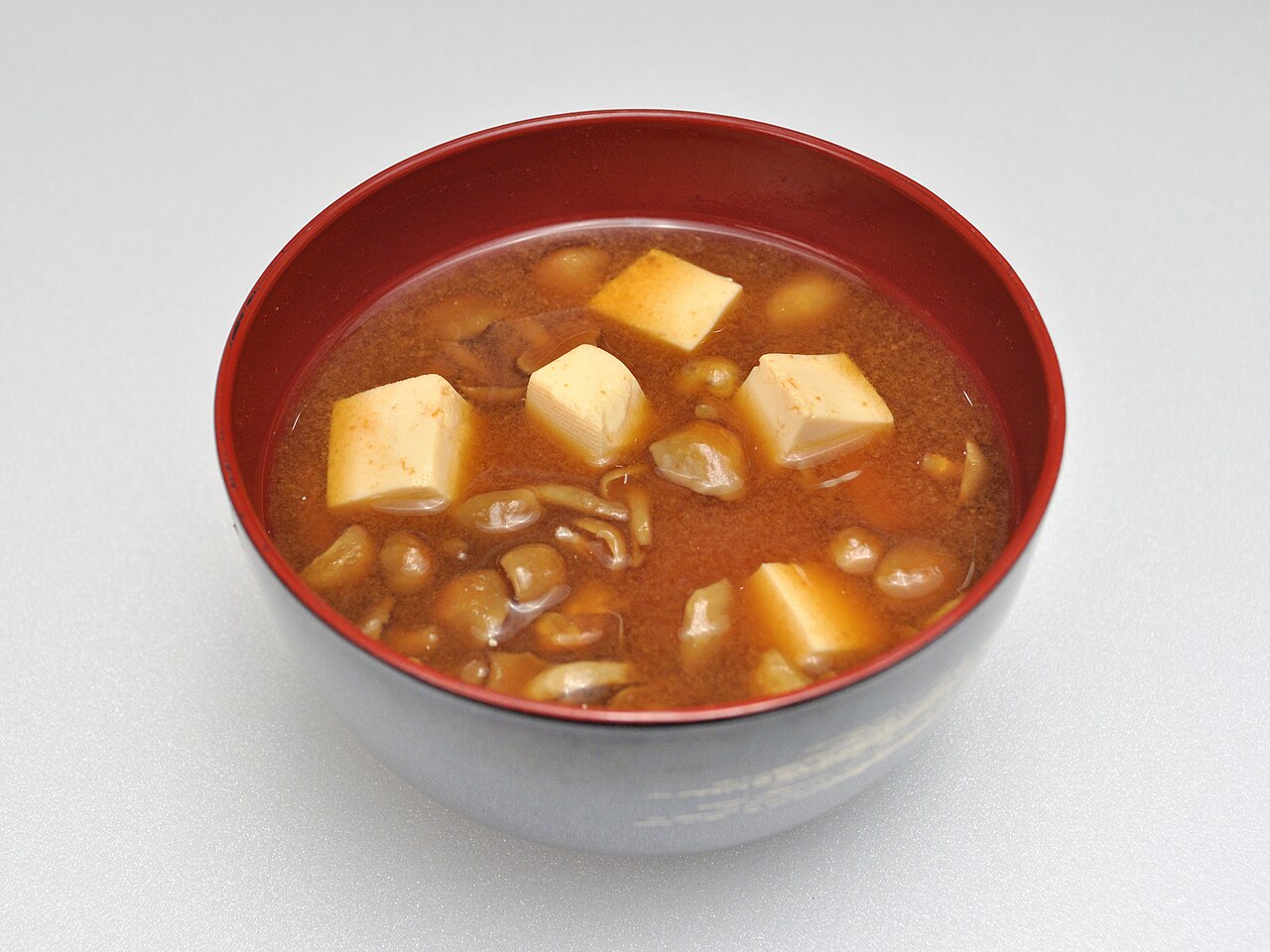
An AI-assisted editorial guide, not independently kitchen-tested. The photograph is a serving example. How we prepare and correct our guides.
For safe handling, consult FDA guidance. Send recipe corrections by email to ZYS10.