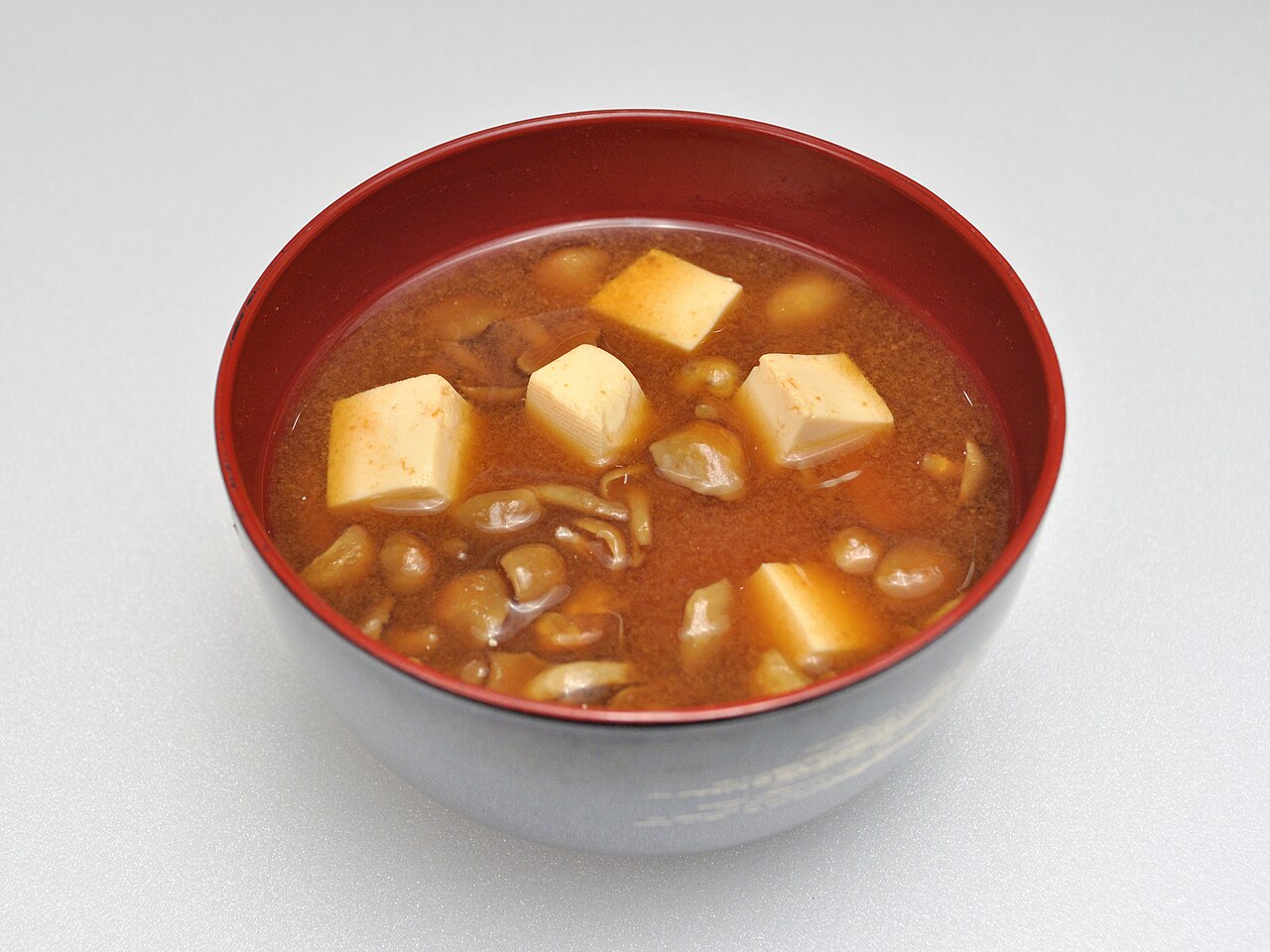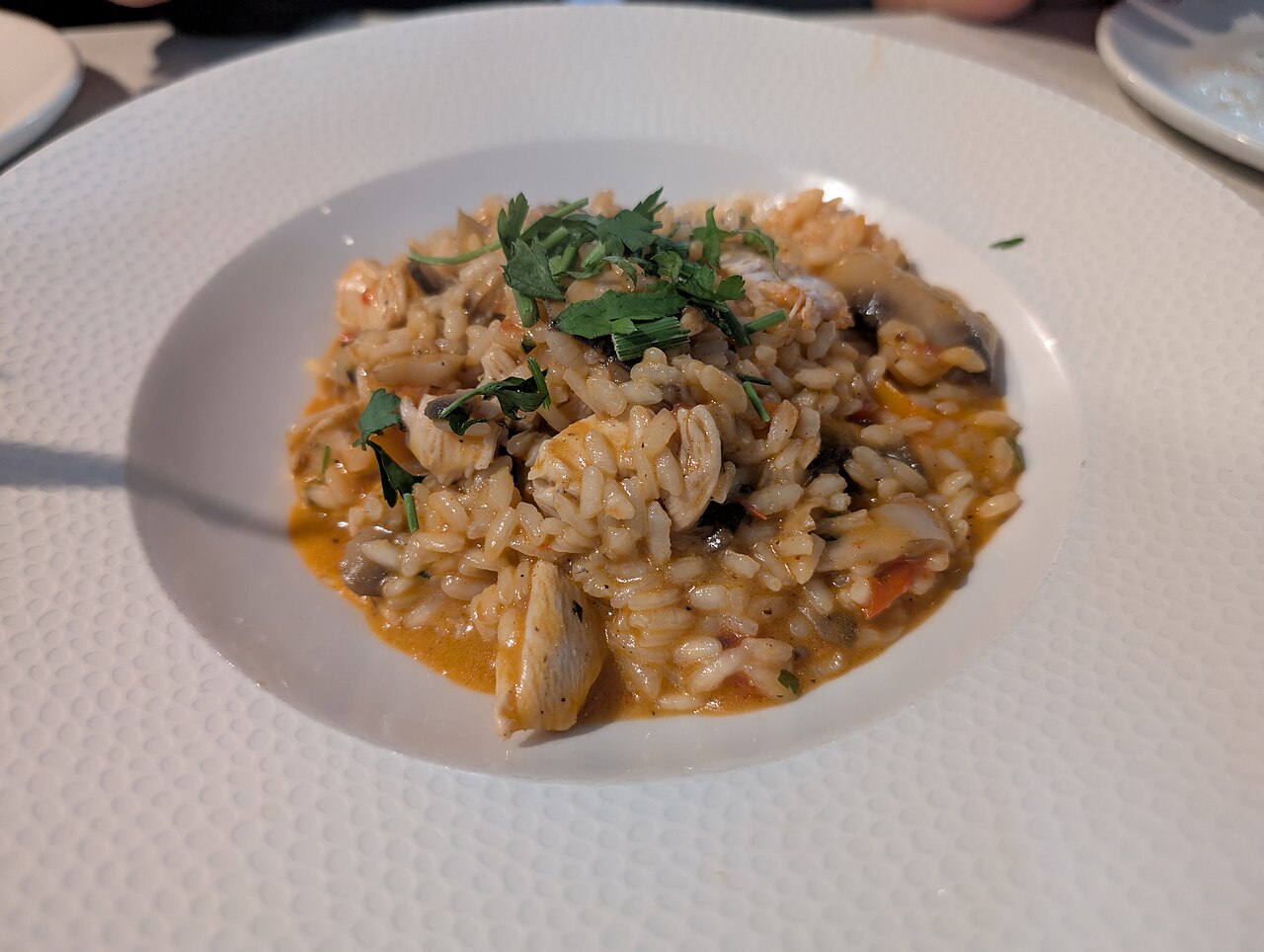
Firm vegetables need time to soften, delicate ones need protection from overcooking, and pasta continues drinking the broth after the heat is off. This version uses cooked beans and a modest quantity of small pasta so the bowl remains a soup rather than becoming a pot of swollen starch.
Seasonal Minestrone
Includes 5 minutes resting after the pasta finishes. For later servings, keep pasta separate from the soup.
Planning totals add preparation, cooking and listed waits. Overlapping stages may shorten the schedule; ingredient and equipment differences can lengthen it.
Ingredients
Times and base yield refer to the original recipe. Scaling quantities does not automatically change pan size, temperature or cooking time.
Step-by-step method
The steps describe the base batch (4 servings). The calculator changes the ingredient list only; amounts written in the steps, equipment and timing remain for that base batch.
Step 1
Soften onion, carrot and celery in olive oil for 10 minutes without darkening them.
Step 2
Add tomatoes and cook for 5 minutes to concentrate their flavor.
Step 3
Pour in stock, add the Parmesan rind if using, and simmer for 15 minutes.
Step 4
Add courgette, cabbage and beans, then simmer until the vegetables are just tender.
Step 5
Stir in the pasta and cook according to its package timing, adding water if the soup thickens.
Step 6
Remove the rind, season after tasting and rest for 5 minutes before serving.
Why this version works
Make the first vegetables a quiet flavor base
Cut onion, carrot and celery into small pieces, roughly comparable in size, so each spoonful feels balanced. Cook them gently in the olive oil without aiming for a dark fried crust. Their sweetness supports the tomato and stock rather than competing with them. If the onion starts browning before the carrots soften, lower the heat and add a small splash of water. A broad heavy pot helps because the vegetables can soften in a shallow layer instead of steaming unevenly in a narrow pile. Keep the courgette and cabbage separate until their later stage.
Choose beans that are already tender
The 400 g drained bean quantity is for cooked cannellini, not dried beans measured before soaking. Rinse canned beans if their liquid is salty or starchy, then handle gently so most remain whole. If starting from dried beans, cook them separately until creamy in the center before introducing them to the acidic tomato base. A few broken beans can thicken the broth pleasantly, but crushing every bean changes the texture. Check the stock's salt before seasoning because canned beans, stock and an optional Parmesan rind can each add substantial salinity.
Change vegetables by cooking behavior
The listed courgette and cabbage can give way to seasonal alternatives, but timing needs to follow the substitution. Diced squash or potato belongs earlier than spinach; peas and tender leaves belong near the end. Aim for a useful mix of firm, soft and leafy textures rather than adding every leftover vegetable in the refrigerator. Keep the total volume close to the original so the stock can still move between the pieces. If a substitution releases a lot of water, let the tomato base concentrate before adding it rather than automatically using less stock at the start.
Decide whether the pasta is for now or later
For an immediate meal, add the small pasta to the gently simmering soup and use its package timing as the first guide. Stir along the bottom because settling shapes can catch. Stop once the pasta is tender but not swollen, then serve promptly. If planning several meals, boil the pasta separately and add a small amount to each bowl. This avoids discovering that tomorrow's soup has become a dense pasta casserole. Keep spare hot water or mild stock available, since the exact amount absorbed differs by pasta shape and holding time.
Plan the liquid for the portion you will actually serve
The pasta continues interacting with the broth after the heat stops, so a pot intended for several meals should not be treated exactly like a soup served all at once. Cook and hold the pasta separately when planning later portions, then combine only what will be eaten. If the current bowl is too dense, loosen that portion with hot unsalted liquid and taste again. Adding more canned tomato or concentrated stock changes seasoning as well as volume. Keep the beans and vegetables recognizable rather than boiling the whole pot repeatedly to recover a soup-like consistency.
Ingredient choices and substitutions
Use vegetables that are fresh and in season where you live. Cannellini beans should be creamy inside and intact outside. If buying stock, choose a mild low-salt version that does not overpower the vegetables.
Fixes for this recipe
| What you notice | Likely reason | What to do |
|---|---|---|
| The soup becomes solid after standing. | Pasta and beans have absorbed broth while cooling. | Loosen with hot water or low-salt stock during reheating. For the next batch, keep pasta separate if leftovers are expected rather than increasing the original pasta quantity. |
| The vegetables are all soft in the same way. | Tender vegetables were added too early or the soup simmered much longer than needed. | Add a small fresh batch of quick-cooking greens near serving. Next time stage the vegetables by density and stop the simmer when each is tender, not collapsed. |
| The broth is salty before the pasta cooks. | Stock, cheese rind and canned ingredients supplied overlapping salt. | Dilute with unsalted liquid and adjust the vegetable balance if necessary. Remove the rind and wait until final consistency before making another salt addition. |
Recipe-specific questions
Does minestrone have to contain meat?
No. This version builds its flavor from vegetables, beans, tomatoes and optional cheese rind. Use vegetable stock and omit the rind for a dairy-free variation, checking the ingredients of the stock. A little fresh olive oil at the end gives aroma without requiring bacon or sausage.
Can a Parmesan rind really be eaten?
Use a clean rind from genuine edible hard cheese for infusion, and remove it before serving in this recipe. Avoid waxed coatings or unidentified packaging surfaces. It contributes flavor while simmering but should not be confused with a decorative or inedible cheese covering.
Which pasta shapes work best?
Small shells, ditalini or similarly compact shapes fit comfortably on a spoon. Large ribbons make portioning less convenient and can dominate the vegetables. Check the package time and remember that pasta will continue softening in hot broth even after the burner is switched off.
Serving and storage
Crusty bread and a small green salad make a complete simple meal. Finish individual bowls with a little olive oil or grated cheese rather than heavily enriching the entire pot, allowing each person to choose how rich the soup should feel.
Cool leftover soup in shallow containers and refrigerate promptly. Store separately cooked pasta apart from the broth when possible, then combine only the portion being reheated. Warm until thoroughly hot, stirring to distribute heat through the beans and vegetables. Freeze the vegetable-and-bean base without pasta for a more predictable texture after thawing.
An AI-assisted editorial guide, not independently kitchen-tested. The photograph is a serving example. How we prepare and correct our guides.
For safe handling, consult FDA guidance. Send recipe corrections by email to ZYS10.