The dough still needs enough structure to survive simmering. This version bakes the potatoes, uses a single yolk and asks for a test dumpling before the entire batch is shaped.
Pillow-Soft Potato Gnocchi
Potato baking is included in cooking time
Planning totals add preparation, cooking and listed waits. Overlapping stages may shorten the schedule; ingredient and equipment differences can lengthen it.
Ingredients
For fractional eggs, beat an extra egg or yolk and measure the required fraction.
Times and base yield refer to the original recipe. Scaling quantities does not automatically change pan size, temperature or cooking time.
Step-by-step method
The steps describe the base batch (4 servings). The calculator changes the ingredient list only; amounts written in the steps, equipment and timing remain for that base batch.
Step 1
Bake whole potatoes at 200°C / 392°F for 50–60 minutes until completely tender.
Step 2
Split while hot, scoop out the flesh and pass through a ricer onto a clean tray so steam can escape.
Step 3
Mix the warm potato with salt, egg yolk and enough flour to make a soft cohesive dough.
Step 4
Divide into ropes, cut into small pillows and roll lightly over a fork if ridges are desired.
Step 5
Simmer the gnocchi in small batches, lifting them out about one minute after they float.
Step 6
Brown the butter gently with sage, add a spoonful of cooking water and roll the drained gnocchi in the sauce. Divide the Parmesan over the portions just before serving.
Why this version works
Use floury potatoes and weigh them consistently
Russet and Maris Piper are useful examples because their cooked flesh can become dry and fluffy. Waxy salad potatoes tend to remain denser and need more flour to form a workable dough. The listed kilogram is the starting whole-potato weight; the amount of usable cooked flesh will be lower after skins are discarded. Choose similar-sized potatoes so they finish baking together. They must be fully tender inside before ricing. An incompletely cooked hard center will become a grainy lump that cannot be removed simply by kneading the dough longer.
Let steam escape before adding flour
Split the baked potatoes while hot and spread the riced flesh across a tray rather than leaving it in a deep steaming heap. Work once it is warm enough to handle safely and no longer fiercely steaming. A ricer gives an even texture with limited manipulation; a masher can work if used gently. A food processor can turn the potato gluey through excessive working. The aim is to lose free moisture while retaining enough warmth for the dough to combine easily, not to dry the potato into a cold crust.
Use one sample to allocate the measured flour
Keep part of the 200 g flour allowance aside while bringing the riced potato and yolk together. Shape one small pillow and simmer it before rolling the whole kilogram-of-potatoes batch. If the sample holds with a tender center, use the reserved flour mainly for light surface dusting. If it breaks apart, fold a little into the remaining dough and check again. Work in several short ropes so the unshaped dough stays covered and the shaped pieces do not spend a long time on a damp board.
Test the center, not just the floating cue
Cut small even pillows so their centers cook at similar rates. Simmer a single sample first and lift it after it floats and has had a brief additional cook. Taste the interior: it should be tender without a raw flour layer. If the sample disintegrates, fold a little flour into the remaining dough before shaping further. Cook the full batch in several rounds so the water returns to a gentle simmer quickly. Transfer with a slotted spoon into sage butter, adding a little cooking water to keep the coating from feeling greasy.
Keep the potato weight and preparation method connected
The kilogram refers to whole potatoes, so peeling before weighing would give a different amount of flesh from baking and scooping the same shopping weight. Keep that convention consistent when repeating the recipe. After ricing, spread the flesh rather than leaving it in a steaming mound; then judge how much of the measured flour is necessary. Large additions made simply to obtain a spotless worktop can turn a manageable soft dough heavy. Use a scraper to move the dough and flour the contact surface lightly instead of insisting that the whole mixture feel dry.
Ingredient choices and substitutions
Use floury potatoes such as Russet or Maris Piper. Waxy salad potatoes tend to require more flour and produce a denser result. The flour amount is a starting point because potato moisture varies.
Fixes for this recipe
| What you notice | Likely reason | What to do |
|---|---|---|
| The dough sticks aggressively to everything. | The potatoes retained substantial moisture or the dough is being handled too warmly and forcefully. | Pause briefly and dust the board lightly. Test a dumpling before adding large amounts of flour, then make the smallest necessary adjustment. |
| The gnocchi are heavy and chewy. | Excess flour or prolonged kneading created a firm dough. | Use the remaining dough with gentle handling and a light sauce. Next time steam-dry the potatoes more thoroughly and stop mixing as soon as the mass coheres. |
| Pieces dissolve around the edges. | The dough lacks sufficient structure or the water is boiling violently. | Reduce to a gentle simmer and test another piece. Add a little flour to uncooked dough if needed, keeping the change modest so the dumplings do not become dense. |
Recipe-specific questions
Can leftover mashed potato be used?
Only as a different formulation. Mash containing milk, butter or cream has a moisture and fat balance unlike plain baked potato. Using it without adjustment can require much more flour. For a first attempt at this recipe, start with the specified baked potatoes so the texture is easier to interpret.
Do the fork ridges matter?
They offer small channels for sauce and a familiar appearance, but plain cut pillows are perfectly practical. Press lightly over the fork rather than flattening the dumpling into a thin strip. Consistent size matters more for even cooking than elaborate ridges.
Why freeze the gnocchi before bagging?
A single-layer freeze keeps the soft pieces from sticking into one large block. Once firm, transfer them into a closed freezer container. Cook from frozen in smaller batches and check a sample center, because a frozen dumpling needs longer than a freshly shaped one.
Serving and storage
Sage butter suits the tender potato flavor, while lightly cooked greens or a simple tomato salad keep the plate from becoming uniformly rich. A thick heavy ragù can overwhelm particularly delicate dumplings, so add sauce with restraint.
Uncooked gnocchi are best cooked soon or frozen on a tray rather than left in a warm kitchen. Cooked leftovers can be chilled promptly and pan-fried later, producing a deliberately different crisp-edged dish. Keep portions shallow during cooling and reheat thoroughly; adding more butter alone does not compensate for an underheated center.
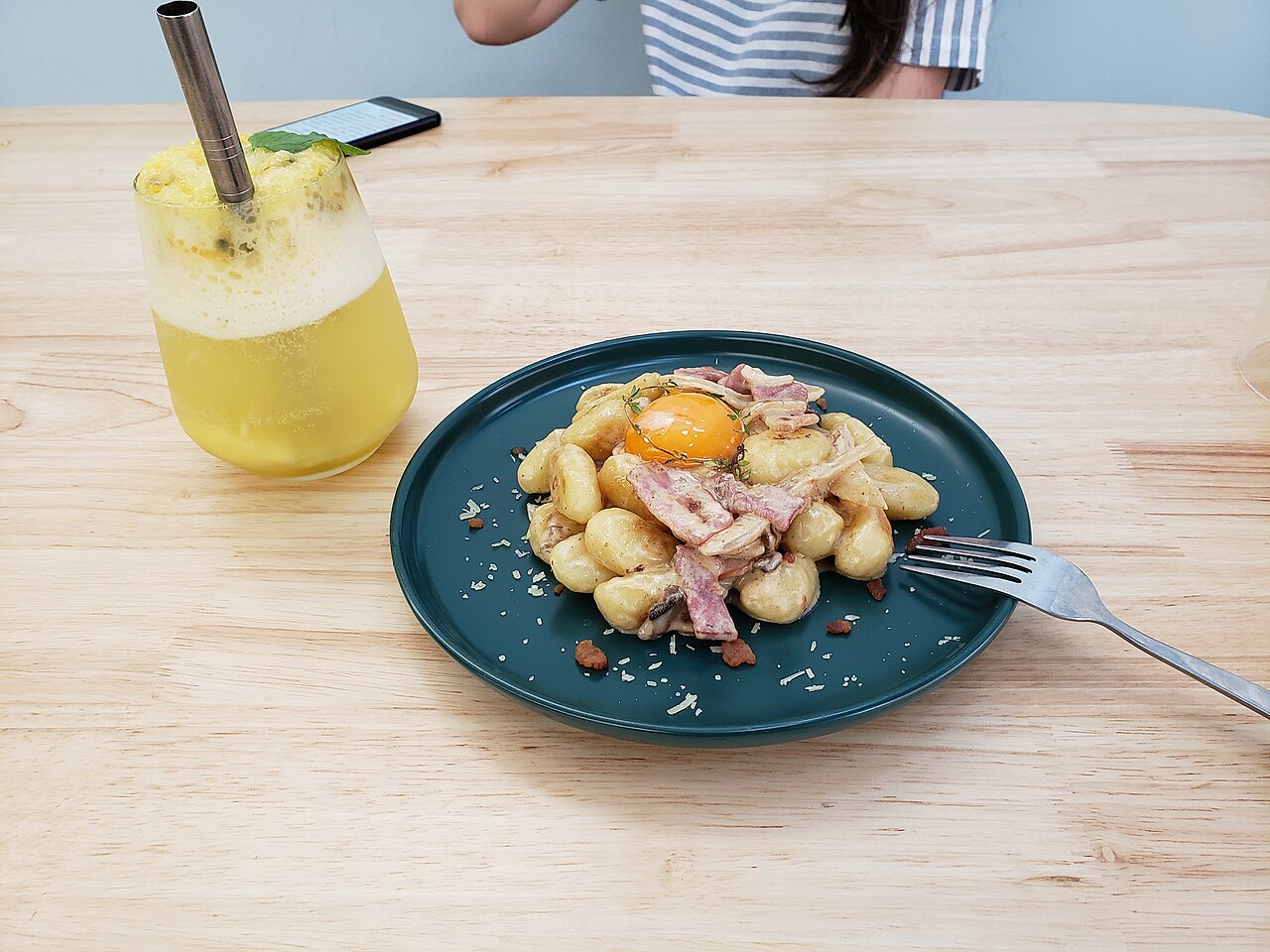
An AI-assisted editorial guide, not independently kitchen-tested. The photograph is a serving example. How we prepare and correct our guides.
For safe handling, consult FDA guidance. Send recipe corrections by email to ZYS10.