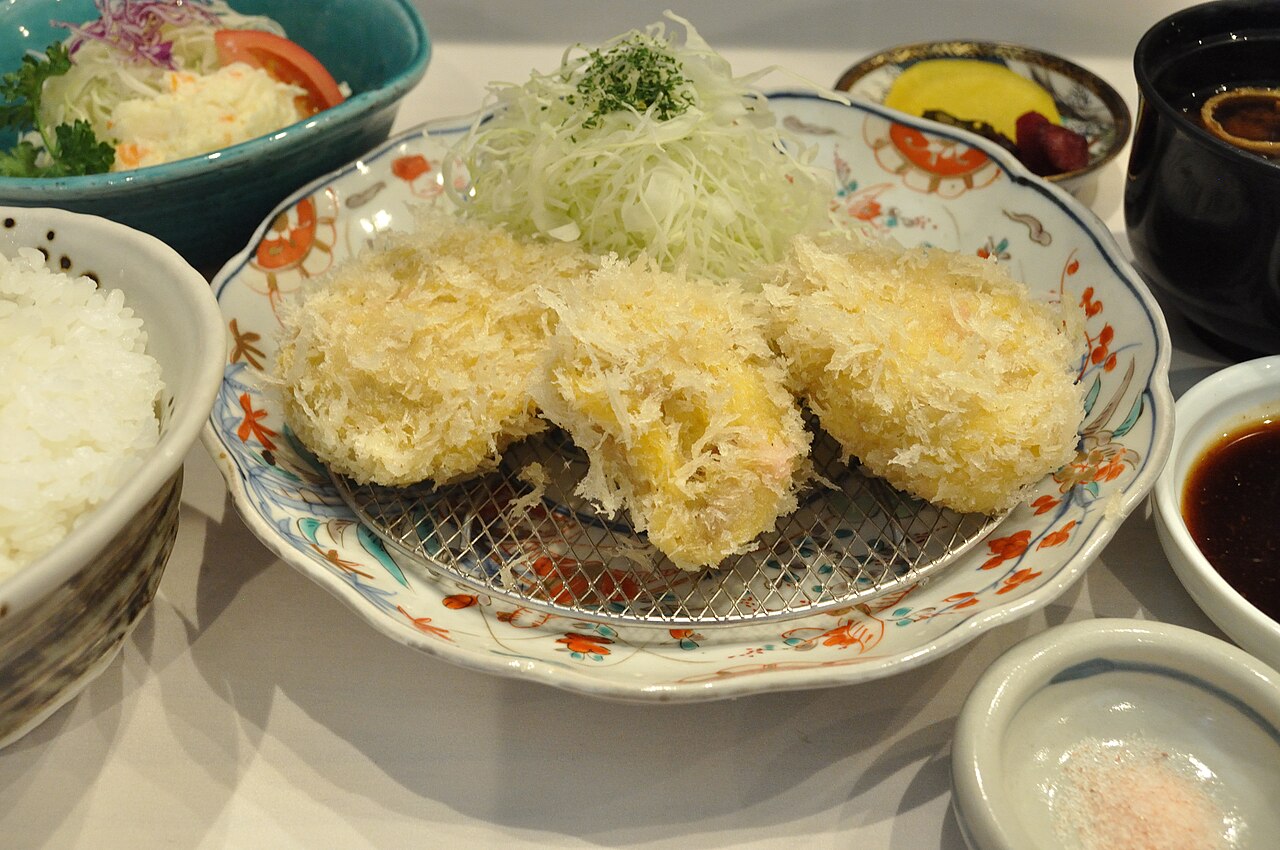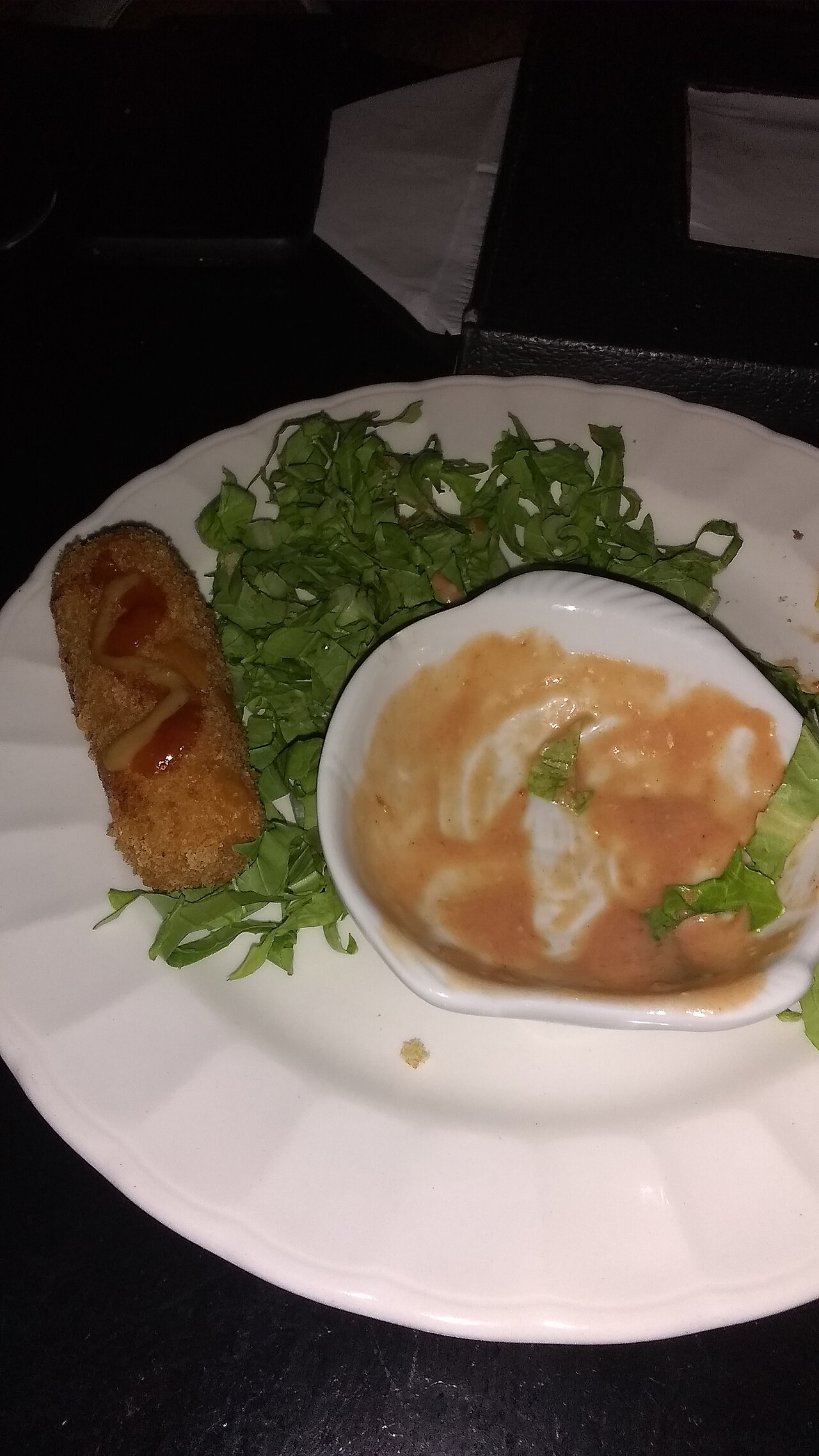
Chilling turns that mixture into something that can be shaped; frying then warms the creamy center inside a sealed crumb shell. The most important investment is sufficient cooling time, followed by small even portions and a complete coating.
Creamy Ham Croquetas
Plus at least 4 hours chilling
Planning totals add preparation, cooking and listed waits. Overlapping stages may shorten the schedule; ingredient and equipment differences can lengthen it.
Ingredients
For fractional eggs, beat an extra egg or yolk and measure the required fraction.
Times and base yield refer to the original recipe. Scaling quantities does not automatically change pan size, temperature or cooking time.
Step-by-step method
The steps describe the base batch (4 servings). The calculator changes the ingredient list only; amounts written in the steps, equipment and timing remain for that base batch.
Step 1
Melt butter, stir in flour and cook gently for 3 minutes without browning.
Step 2
Whisk in warm milk gradually and cook, stirring, until very thick and smooth.
Step 3
Fold in ham and nutmeg and spread in a shallow dish.
Step 4
Cover the surface and refrigerate for at least 4 hours until firm.
Step 5
Shape small croquettes and coat in flour, beaten egg and breadcrumbs.
Step 6
Fry in batches at 175°C / 347°F until golden and hot in the center, then drain on a rack.
Why this version works
Cook the base thicker than an ordinary sauce
With 100 grams of flour to 700 milliliters of milk, this béchamel is intended to hold shape after chilling. Cook the flour in butter without browning, then whisk in warm milk gradually so each addition becomes smooth before the next. Use a saucepan with a thick base and a spatula that reaches the corners. As it thickens, the mixture should pull heavily behind the spoon rather than flow like a pouring sauce. Fine ham pieces distribute salt and flavor without creating large weak points in the croquette. Taste the cooked mixture before adding salt because ham varies substantially.
Chill in a shallow layer with the surface protected
Transfer the cooked mixture to a broad shallow dish rather than leaving it in a deep hot saucepan. Cover the surface to limit a dry skin while following prompt cooling and refrigeration practices. Four hours is a minimum planning allowance; the center must actually be cold and firm before shaping. A mixture that is warm underneath but cool on top will smear and slump. If making it a day ahead, portion the next day while cold. Do not try to repair a loose warm filling by kneading large amounts of raw flour into it, which changes texture and leaves an uncooked taste.
Shape small portions and seal every surface
Use lightly oiled spoons or hands to make short even cylinders or ovals, roughly a couple of bites each. Very large pieces take longer to heat through and are more likely to overbrown outside. Roll first in flour, tapping off the excess, then beaten egg and finally breadcrumbs. Inspect the ends carefully because small bare patches let filling escape into the oil. Keep the crumb station organized so the dry crumbs do not become a wet mass. Return shaped croquetas briefly to the refrigerator if the room or your hands have warmed them substantially.
Fry a small batch and let oil recover
At about 175°C / 347°F, the coating should color steadily while the chilled interior warms. Add only enough pieces to leave working space; a sudden large temperature drop encourages a greasy shell. Turn gently with a spoon or tongs without puncturing the crust. A test croqueta helps you judge portion size and center temperature before frying the whole tray. Drain on a rack and allow a short moment before eating, since the soft filling stays hot. The objective is a thin crisp casing around creamy béchamel, not a thick armored breadcrumb layer that hides a barely warmed center.
Portion the chilled filling to make the coating allowance useful
Divide the firm base into small similar pieces before beginning the flour-egg-crumb sequence. A very large croquette needs its center to heat through a thicker layer, while a tiny one has proportionally more crumb. Use the first coated piece to establish a size the remaining eggs and breadcrumbs can cover evenly. Keep flour clumps out of the egg bowl and press crumbs around the ends, where gaps are easy to miss. If the filling softens while shaping, chill it again rather than adding raw flour to the already cooked base.
Ingredient choices and substitutions
Use finely diced cooked ham with a balanced salt level. Whole milk gives predictable body. Fine dry breadcrumbs create a compact seal; very coarse crumbs can leave gaps if the coating is uneven.
Fixes for this recipe
| What you notice | Likely reason | What to do |
|---|---|---|
| Filling smears and cannot be shaped. | It has not chilled fully or the béchamel was too loose. | Refrigerate until cold throughout. If still unworkably soft, the original mixture needed more cooking or correct measurements; do not disguise it with a heavy coating of dry flour. |
| Croquetas burst in the oil. | The coating has gaps, portions are oversized or oil is excessively hot. | Check the ends, make smaller even portions and verify temperature. Remove leaking pieces carefully rather than stirring the escaped filling through the whole batch. |
| The shell is brown but the center is cold. | Pieces are too large or the oil is too hot. | Reduce portion size and use controlled heat. A darker crust is not proof that a refrigerated béchamel center has warmed adequately. |
Recipe-specific questions
Can I substitute another cooked filling for ham?
Yes, but finely chop and drain it well. Mushrooms or cooked chicken introduce different moisture and salt levels, so keep the béchamel firm and describe the result as a separate filling variation.
Can croquetas be baked instead?
A baked coating does not behave like a fried shell, especially around a soft filling. It requires its own tested handling and oiling method. This recipe's timing and structure are written for frying.
Can I freeze them before frying?
Freeze coated portions individually, then store together once firm. Cooking from frozen changes the time needed for the center to heat, so test one carefully and follow safe reheating rather than relying only on crust color.
Serving and storage
Serve a few with a crisp salad, pickled vegetables or sliced tomatoes. Their creamy filling needs contrast more than an additional rich mayonnaise poured over the shell.
Refrigerate cooked croquetas promptly once cooled. Reheat on a rack in the oven until the centers are thoroughly hot, accepting a less delicate crust than fresh frying. Keep uncooked prepared filling chilled and do not repeatedly warm and recool the same mixture during shaping sessions.
An AI-assisted editorial guide, not independently kitchen-tested. The photograph is a serving example. How we prepare and correct our guides.
For safe handling, consult FDA guidance. Send recipe corrections by email to ZYS10.