It deliberately avoids presenting itself as the single definitive regional version. The practical objective is tender lamb in a warm, aromatic sauce, with enough chile color and acidity to balance richness without hiding the meat.
Slow-Cooked Lamb Rogan Josh
Planning totals add preparation, cooking and listed waits. Overlapping stages may shorten the schedule; ingredient and equipment differences can lengthen it.
Ingredients
Times and base yield refer to the original recipe. Scaling quantities does not automatically change pan size, temperature or cooking time.
Step-by-step method
The steps describe the base batch (4 servings). The calculator changes the ingredient list only; amounts written in the steps, equipment and timing remain for that base batch.
Step 1
Pat lamb dry and brown in batches in ghee, then transfer to a plate.
Step 2
Warm cardamom, cinnamon and cloves briefly in the remaining fat.
Step 3
Lower the heat and stir in chile, fennel and ground ginger with a splash of water.
Step 4
Whisk yogurt until smooth and add gradually, stirring over low heat.
Step 5
Return lamb, add water and simmer gently, covered, for 90–120 minutes until tender.
Step 6
Uncover to reduce the sauce if needed. Remove the cinnamon, cardamom pods and cloves where practical, finish with garam masala and season to taste; warn diners if any whole spices remain.
Why this version works
Choose shoulder for the long simmer
Nine hundred grams of shoulder should be trimmed of large hard outside fat while retaining fine internal marbling and connective tissue. Cut pieces to a similar size, around three to four centimetres, so one does not collapse while another remains firm. Pat dry before browning and use batches in a heavy pot. A pale wet surface is not improved by leaving a crowded pan over ever higher heat. Lean lamb steaks cook differently and may become dry during this long method; their higher price does not make them a better substitute for shoulder.
Keep the spice character deliberate
Ground fennel and dried ginger are substantial parts of this recipe, not tiny optional garnishes. They create a different profile from a curry dominated by onion, tomato and cumin. Kashmiri-style chile powder contributes color with generally moderate heat, although products differ. If using a much hotter powder, begin with less and accept that the sauce may look less red. Cardamom, cinnamon and cloves can infuse whole, making them easier to remove later. Do not replace all four spice roles with extra garam masala and expect the same flavor.
Add yogurt gradually over gentle heat
Whisk the 200 grams of yogurt until smooth before it enters the pot. Lower the heat after warming the spices and add yogurt in stages, stirring between additions so a cold clump does not meet one very hot spot. Full-fat plain yogurt is more forgiving than a low-fat sweetened product. The sauce may show some separated fat as it cooks, which is different from obvious curds suspended in watery liquid. Neither is automatically a flavor disaster, but gentler addition creates a more even appearance. Once the lamb and water return, keep the simmer quiet.
Separate tenderness from sauce reduction
Begin checking the shoulder near ninety minutes, but let the actual piece decide the endpoint. A fork should enter and turn with little resistance, while the cube still holds enough shape to serve. If the sauce has reduced and the lamb remains tough, add hot water and continue covered. If the meat is ready but the sauce is loose, lift the lamb out and reduce separately rather than boiling it aggressively. Finish with the small garam masala quantity and let the pot rest briefly. Taste the sauce with meat, since a concentrated spoonful alone can seem saltier than the finished bite.
Distinguish yogurt body from the amount of gravy
The yogurt, lamb juices and measured water form the sauce together. A long simmer may leave tender lamb surrounded by more liquid than wanted, but extending the cook with every piece still submerged can overdo smaller pieces. Lift tender meat briefly onto a clean plate if the remaining sauce needs reduction, then return it to warm through. Check salt only after that reduction. Adding more yogurt late is not a neutral thickening correction: it introduces fresh acidity and another dairy addition that needs its own controlled handling.
Ingredient choices and substitutions
Choose lamb shoulder with some connective tissue rather than lean quick-cooking leg steaks. Kashmiri chile is valued for color and moderate heat. Full-fat yogurt is less prone to splitting than very low-fat yogurt.
Fixes for this recipe
| What you notice | Likely reason | What to do |
|---|---|---|
| Firm lamb after the estimated time | The shoulder needs more gentle cooking, or the pot lost too much liquid. | Add hot water to maintain a moist braise, cover and continue checking at intervals. Raising to a hard boil is not a useful shortcut for connective tissue. |
| Distinct yogurt curds in watery sauce | Yogurt met excessive heat or was added in a large cold amount. | Lower the heat and stir gently; the flavor can remain good even if the texture is imperfect. Next time whisk yogurt and add it in small portions over low heat. |
| The spice mixture tastes harsh and bitter | Ground chile and fennel scorched before yogurt or water entered. | Do not scrape burnt deposits into the sauce. Protect ground spices with a splash of water and keep the next ingredient ready before they enter the fat. |
Recipe-specific questions
Does rogan josh always contain onions or tomatoes?
Regional and household versions differ. This specific method uses neither and relies on yogurt, dried ginger and fennel. Adding a tomato-onion base creates a different balance and should be described as an adaptation rather than a necessary correction.
Can lamb leg be used instead of shoulder?
It can be used, but choose a piece suited to slow cooking and monitor tenderness earlier. Very lean leg cubes may dry while the sauce cooks. Shoulder is recommended because its connective tissue and fat suit this particular covered simmer.
Can I use fresh ginger in place of dried ginger?
Fresh ginger has more moisture and a brighter, sharper flavor. It can make a practical variation, but is not a direct teaspoon-for-teaspoon equivalent. Add it early enough to cook its raw edge and keep the fennel prominent.
Serving and storage
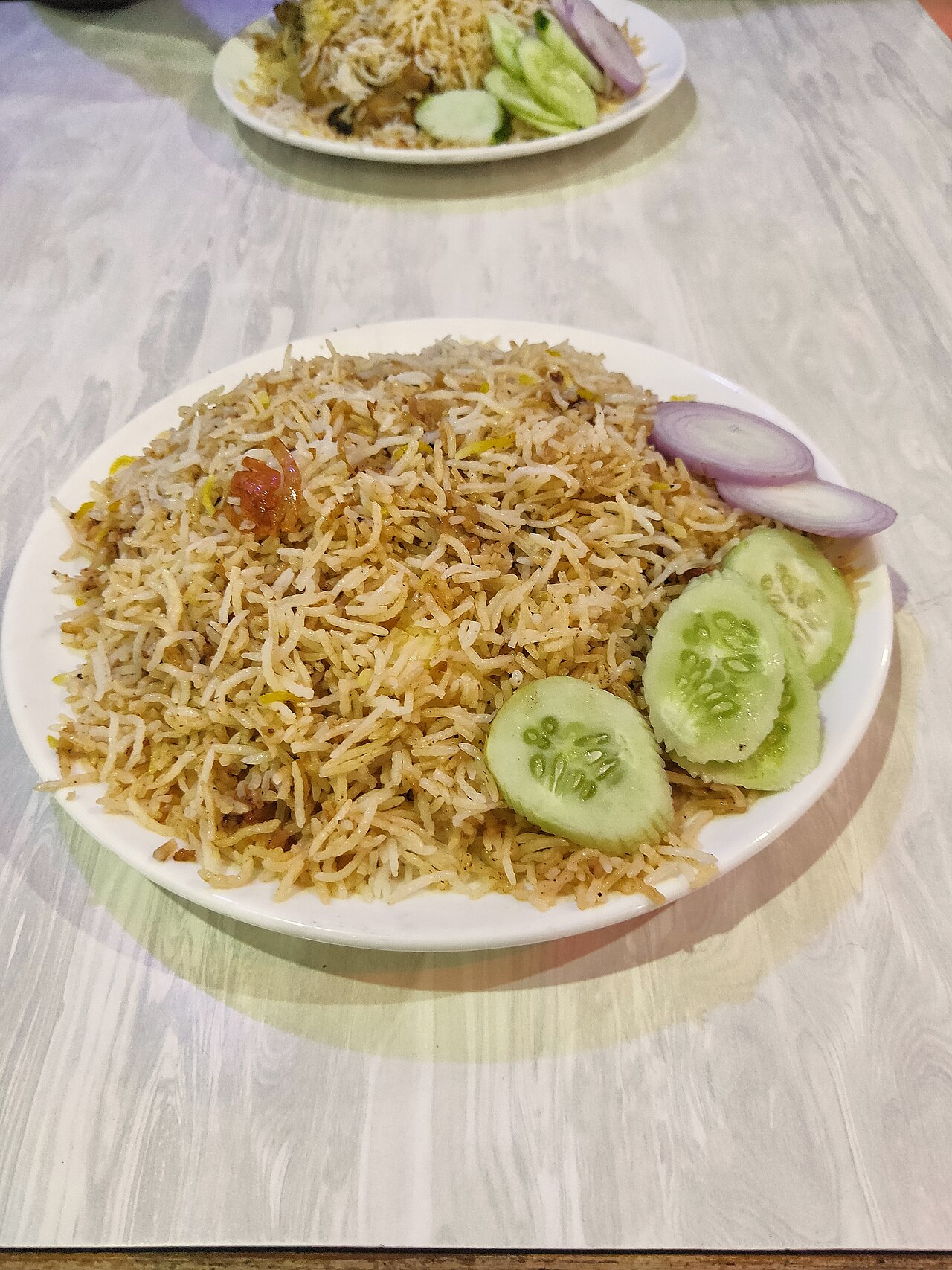
Plain rice gives the sauce room to show its fennel and ginger aroma. Flatbread also works well. A crisp cucumber side or lightly dressed onion salad provides more contrast than another rich meat curry on the same plate.
Cool lamb and sauce together promptly in shallow containers. Chilling makes excess surface fat easier to lift off, but leave some richness in the sauce. Reheat gently with a splash of water as needed, checking that the largest pieces become thoroughly hot without reducing the gravy to a salty paste.
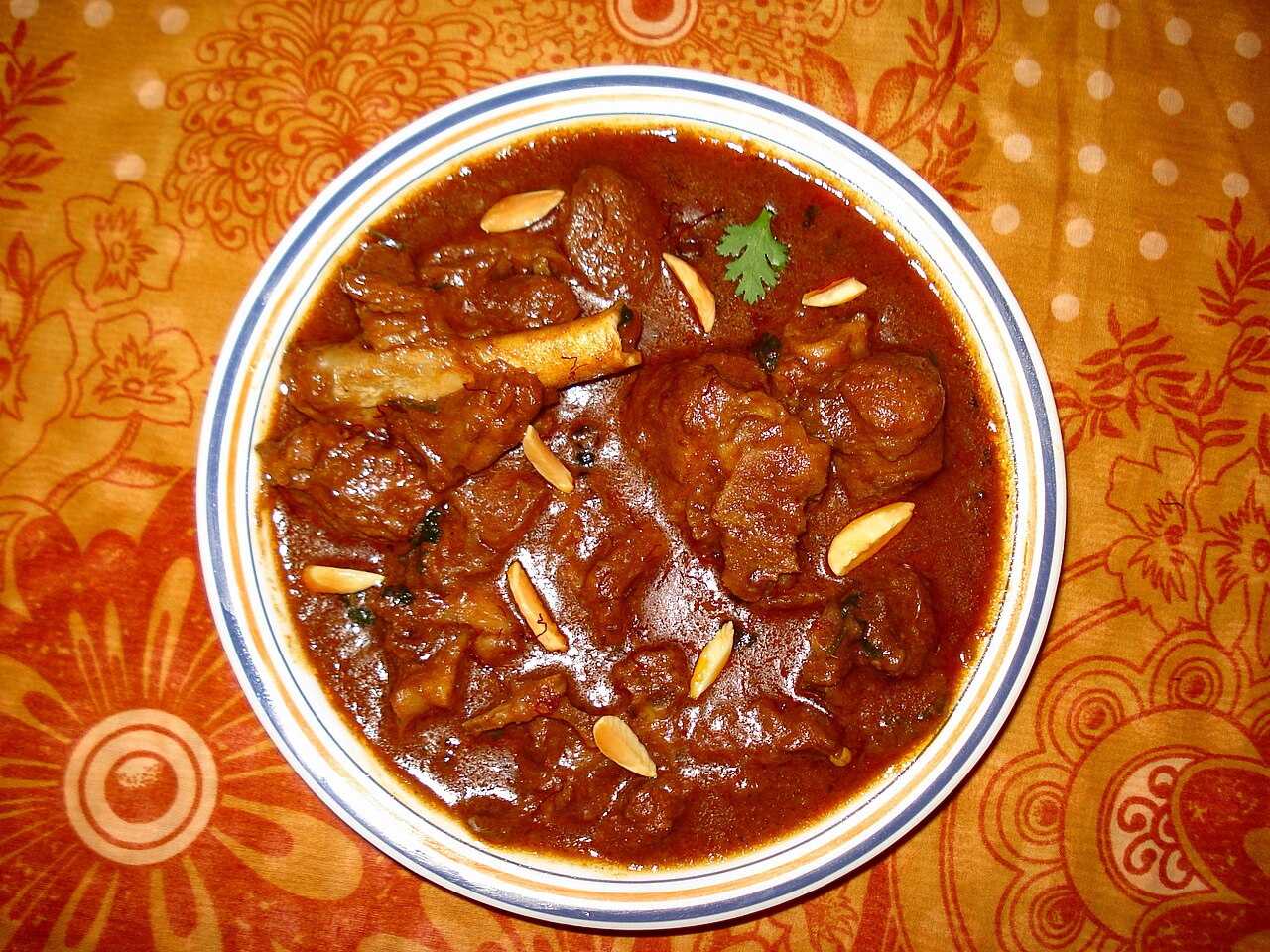
An AI-assisted editorial guide, not independently kitchen-tested. The photograph is a serving example. How we prepare and correct our guides.
For safe handling, consult FDA guidance. Send recipe corrections by email to ZYS10.