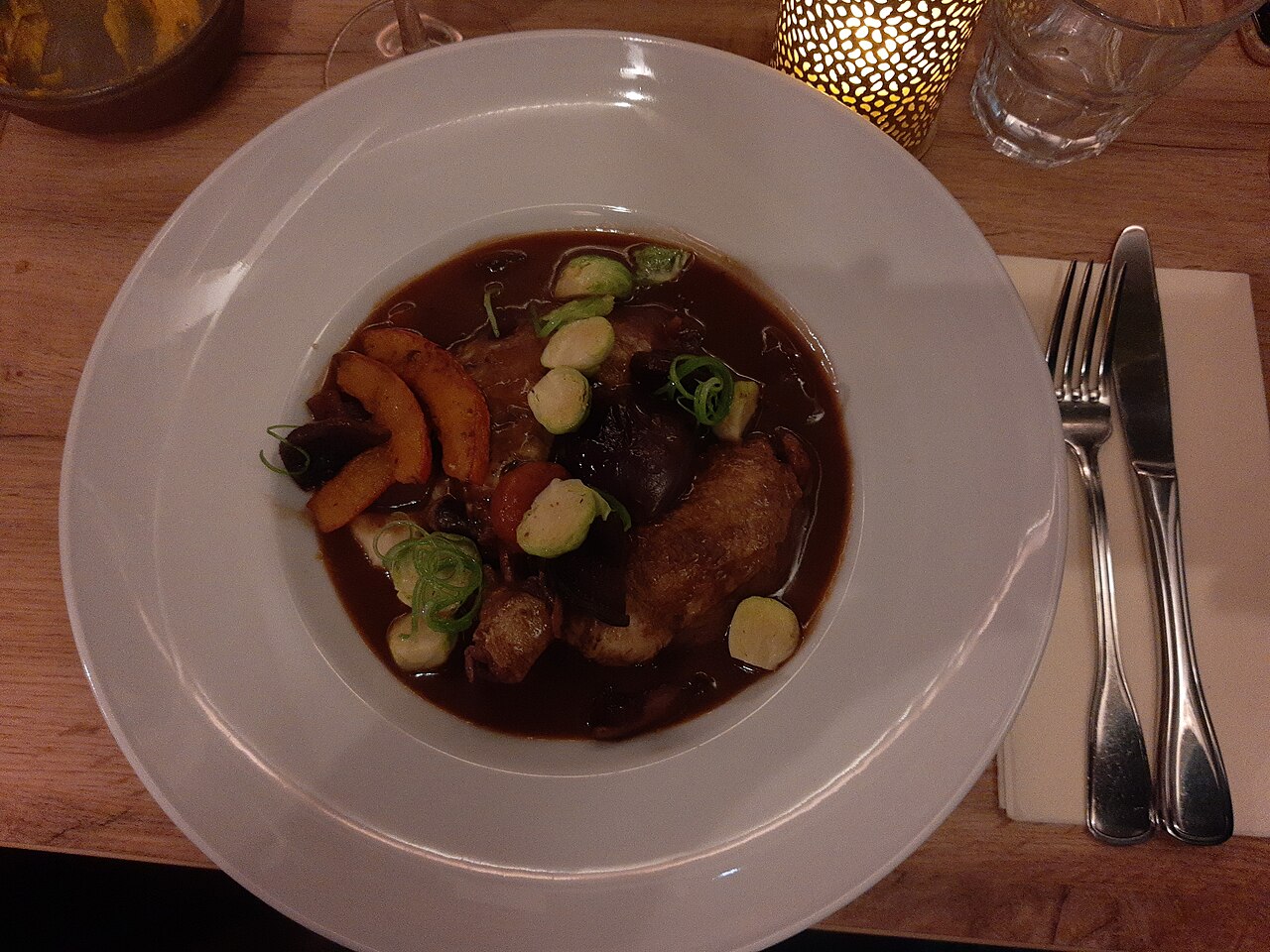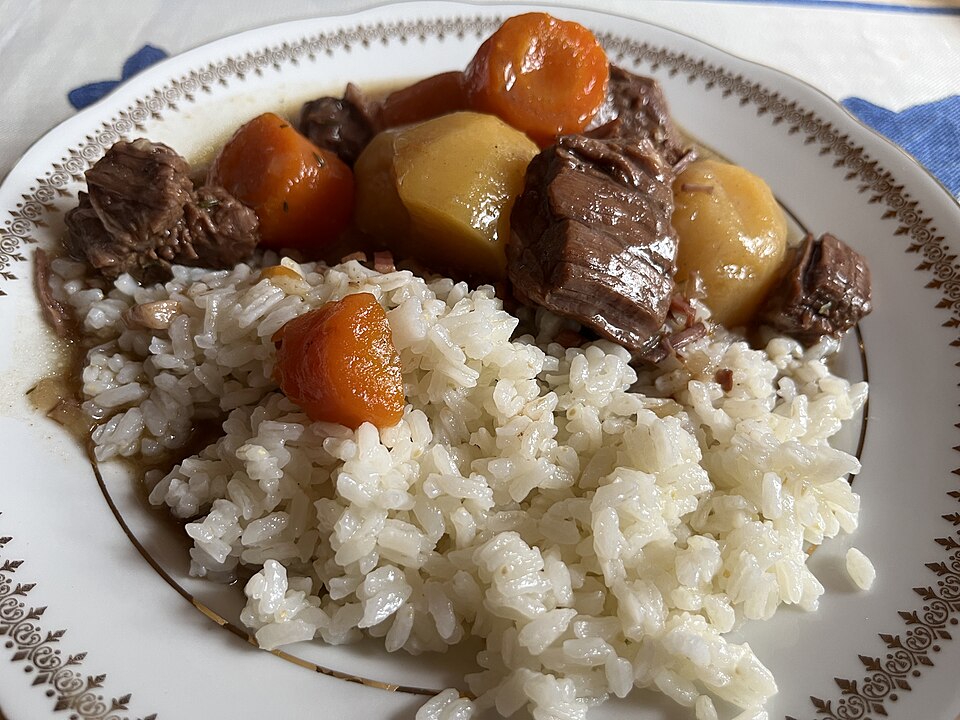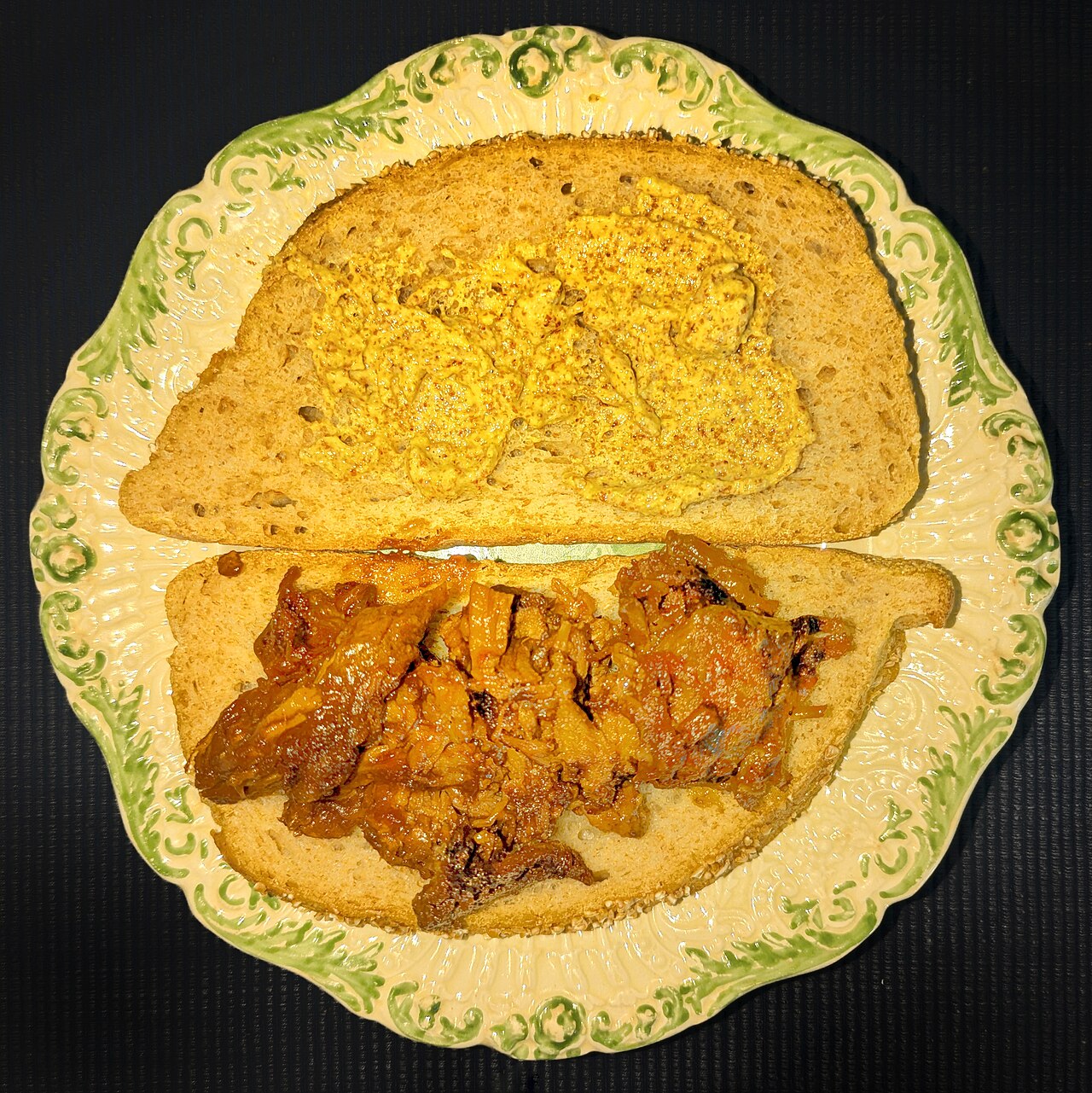
This covered oven version relies on gentle heat and retained cooking juices. Smoked paprika gives an aromatic suggestion of smoke, but the method is not presented as barbecue cooked in a smoker.
Slow Oven Pulled Pork
Plus 20 minutes resting before shredding
Planning totals add preparation, cooking and listed waits. Overlapping stages may shorten the schedule; ingredient and equipment differences can lengthen it.
Ingredients
Times and base yield refer to the original recipe. Scaling quantities does not automatically change pan size, temperature or cooking time.
Step-by-step method
The steps describe the base batch (1 shoulder roast, about 8 generous servings). The calculator changes the ingredient list only; amounts written in the steps, equipment and timing remain for that base batch.
Step 1
Mix sugar, paprika, salt, garlic powder and pepper and rub over pork.
Step 2
Place sliced onion in a covered roasting dish and set pork on top.
Step 3
Pour apple juice and vinegar around the meat and cover tightly.
Step 4
Cook at 150°C / 302°F for 4.5–5.5 hours until the meat yields easily to a fork, adding liquid if the dish dries.
Step 5
Rest for 20 minutes, then shred, removing large pieces of fat.
Step 6
Moisten with skimmed cooking juices and a measured amount of barbecue sauce.
Why this version works
Shoulder is the useful cut for shredding
A 1.8 kg boneless shoulder contains fat and connective tissue that suit extended moist cooking. Lean pork loin may reach a safe temperature but become dry before it can shred like shoulder. Keep the roast reasonably uniform rather than opening it into a very thin sheet. Trim only large excessive external fat deposits; removing every visible trace reduces richness. If the piece is tied, use food-safe butcher string and remove it before shredding, checking for any loose strands.
The covered dish manages evaporation
Apple juice and vinegar sit around the meat rather than drowning it completely. The lid traps steam and limits how quickly the liquid disappears. Check occasionally near the later part of cooking, especially with a loose-fitting roasting cover, and replenish with a little hot water if the base becomes dry. A tightly covered heavy pot needs less intervention than a broad shallow pan. Repeatedly opening the lid to admire progress slows the cook and releases the moisture you need.
Distinguish safe temperature from pull-apart tenderness
An intact pork roast can reach its minimum safe temperature well before shoulder becomes easy to shred. This recipe therefore also uses a texture endpoint: a fork should enter readily and fibers should separate with gentle pressure. The exact timing varies with roast shape, oven behavior and the animal itself. Do not respond to resistance by suddenly turning the oven very high. More quiet cooking with adequate moisture is a better route than tightening the outer meat while the center still resists.
Save the juices before you pull the meat
Lift the cooked shoulder onto a clean resting surface and pour the liquid into a heatproof jug. Let fat rise and remove only the excess, keeping the seasoned aqueous juices beneath. Shred the meat into comfortable strands and discard large unrendered fat pieces. Add juices gradually while folding so the pork becomes succulent without sitting in a watery pool. These juices bring pork flavor; barbecue sauce should complement them rather than become the only source of moisture.
Choose barbecue sauce after tasting the pork
Commercial barbecue sauces vary widely in sweetness, acidity, smoke and salt. Stir in part of the measured amount first, taste and add more only if wanted. A very sweet sauce can obscure the shoulder and make leftovers cloying. Cider vinegar at the table offers an adjustable bright accent. For sandwiches, a modest filling and a dry crisp slaw help the bun remain usable. Keep spare sauce separate so diners can decide how much of the meat flavor they want to cover.
Set aside unseasoned strands before adding all the barbecue sauce
The cooking juices already contain the rub, onion, apple juice and vinegar. Fold those juices through the shredded pork first, taste, then add the barbecue sauce gradually. If you want some leftovers for a different meal, portion them before the entire roast receives sweet sauce. That keeps later seasoning options open without requiring another roast. For sandwiches, judge the meat with a bun and slaw rather than from a concentrated forkful alone. A generous but manageable filling is easier to eat than a mound that turns the bread into a wet holder.
Ingredient choices and substitutions
Choose shoulder with some internal fat rather than lean loin. A covered heavy dish gives predictable moisture control. Taste barbecue sauce before adding it because sugar and salt levels vary substantially.
Fixes for this recipe
| What you notice | Likely reason | What to do |
|---|---|---|
| The roast is cooked but will not shred | It has reached a safe temperature before enough connective tissue softened. | Return it to the covered dish with adequate hot liquid and continue gently until it yields to a fork. Do not try to solve this with more sweet sauce. |
| The pulled strands taste dry | Too much juice was discarded or the meat was held uncovered. | Fold in hot skimmed cooking juices gradually and cover for a short rest. Sauce adds flavor, but the retained pork juices are the better first moisture adjustment. |
| The bottom of the pan is sticky and dark | The cover leaked or the cooking liquid evaporated too far. | Add hot water carefully before scorching occurs. If burnt residue forms, transfer the meat and unburnt liquid without scraping black material into the finished pork. |
Recipe-specific questions
Can pork loin replace shoulder?
It is not a good direct replacement for this long shredding method. Loin is leaner and can become dry before it develops the desired texture. Use a recipe designed for loin rather than extending its cooking until it resembles shoulder.
Is smoked paprika the same as real smoke cooking?
No. It contributes a smoky spice aroma but does not reproduce the effects of a smoker, fuel or long exposure to smoke. This is deliberately an accessible covered-oven recipe, and its strength is tender meat and controlled seasoning.
Can I make the pork one day ahead?
Yes, if it is cooled promptly in shallow portions and refrigerated safely. Save the skimmed juices with it and reheat thoroughly before serving. Keep buns and slaw separate so they are fresh when the pork is ready.
Serving and storage
A sharp cabbage slaw, pickled cucumber and a soft sturdy bun suit the pork. For a plate instead of a sandwich, add beans and a fresh vegetable side.
Divide shredded pork and juices into shallow containers for prompt chilling. Reheat the portion needed with enough juice to protect the strands, stirring so it becomes thoroughly hot. Freeze in meal-size portions rather than repeatedly warming and cooling the entire roast.
An AI-assisted editorial guide, not independently kitchen-tested. The photograph is a serving example. How we prepare and correct our guides.
For safe handling, consult FDA guidance. Send recipe corrections by email to ZYS10.