The salsa and beans can wait briefly, while eggs and tortillas are best finished near serving. That order gives more control than trying to prepare every component simultaneously in one pan.
Huevos Rancheros
Planning totals add preparation, cooking and listed waits. Overlapping stages may shorten the schedule; ingredient and equipment differences can lengthen it.
Ingredients
For fractional eggs, beat an extra egg or yolk and measure the required fraction.
Times and base yield refer to the original recipe. Scaling quantities does not automatically change pan size, temperature or cooking time.
Step-by-step method
The steps describe the base batch (4 servings). The calculator changes the ingredient list only; amounts written in the steps, equipment and timing remain for that base batch.
Step 1
Soften onion and jalapeño in one tablespoon of oil for 5 minutes.
Step 2
Add garlic and tomatoes and simmer for 12–15 minutes until thick but spoonable.
Step 3
Warm the beans separately with a little water and a pinch of salt.
Step 4
Toast tortillas in a dry skillet or with a light brush of oil until flexible with crisp edges.
Step 5
Fry eggs in the remaining oil until both whites and yolks are firm. Use a lid briefly if the tops need help setting before the bases darken.
Step 6
Set eggs on warm tortillas, spoon salsa around them and serve with beans, coriander and wedges cut from the listed lime.
Why this version works
Concentrate the salsa before frying eggs
Cook the diced onion and jalapeño until softened, then add garlic briefly before the tomatoes. The tomato mixture should simmer until it can sit beside an egg without spreading a watery ring across the plate. Canned tomatoes are useful when fresh ones are pale and bland; ripe fresh tomatoes may need a different reduction time because their water content varies. Taste after reducing, not only at the beginning. A strongly acidic salsa may need a little more cooking to round its flavor before you consider extra seasoning.
Make the beans creamy but not soupy
The 250 g quantity refers to cooked black beans. Warm them with only enough water to prevent sticking, then mash a small portion if you want a more cohesive side. Their cooking liquid can be flavorful, but a thin bean broth adds another source of moisture to an already sauced plate. Taste before salting if using canned beans. Pinto beans make a useful alternative with a different flavor. Raw dried beans are not a quick substitution at this stage: they need their own soaking and proper cooking before joining the breakfast assembly.
Warm tortillas without making brittle chips
The tortilla should support the egg and absorb a little salsa while remaining easy to cut. Toast it briefly in a dry skillet or with a light oil brushing, turning until warm and flexible with a few crisp edges. A long fry produces a tostada-like base, which is a different texture and more likely to shatter under the egg. Keep finished tortillas briefly in a clean towel while the eggs cook, but do not trap them for a long steamy hold. Use a warm plate so the first component does not cool the others immediately.
Finish fully cooked eggs after the other components
Fry eggs only after the salsa, beans and tortillas are ready. This version uses firm whites and yolks, so choose a moderate heat that allows the top to cook before the underside scorches. Covering briefly helps the upper surface set. Set each egg onto a warm tortilla and spoon salsa beside it, keeping the base flexible enough to cut. Put beans alongside rather than underneath every component, where their moisture could soften the tortilla too quickly. Cut the listed lime into wedges before frying, then add coriander and let diners brighten their own portion.
Keep the four components distinct on the plate
Build each plate with a warm tortilla, a cooked egg, concentrated salsa and a separate spoon of beans. This arrangement lets the diner combine the textures instead of turning the tortilla into a base for several layers of liquid. Divide the salsa between plates before adding extra from the pan, since one generous first serving can leave later eggs almost bare. Lime should brighten an assembled bite, not thin the whole salsa in advance. If the tortilla is very small, serve beans alongside and avoid treating extra stacking height as extra generosity.
Ingredient choices and substitutions
Use ripe tomatoes in season or good canned tomatoes at other times. Corn tortillas give a clearer maize flavor than flour tortillas. Choose eggs with intact shells and keep them refrigerated until needed.
Fixes for this recipe
| What you notice | Likely reason | What to do |
|---|---|---|
| The plate fills with red liquid. | The salsa was too thin or was spooned on before sufficient reduction. | Reduce remaining salsa in the pan before assembling the next portion. Use less loose liquid on this plate and keep beans drained rather than adding a second watery component. |
| The tortilla snaps under the fork. | It was toasted too long or left uncovered until dry. | Warm the remaining tortillas more briefly and hold them in a towel for a short interval. A crisp broken base is edible, but it changes the dish toward a tostada-style texture. |
| The eggs are cold by the time everything is assembled. | They were cooked before the salsa, beans and plates were ready. | Reverse the workflow: finish salsa and beans first, warm tortillas next and cook eggs last. A warm plate gives a small additional buffer without requiring prolonged egg cooking. |
Recipe-specific questions
Can scrambled eggs be used instead?
They make a practical breakfast variation, although the appearance and interaction with salsa differ from whole fried eggs. Cook them separately and add at the last moment. Do not keep scrambling them inside a watery tomato pan if the goal is distinct tender curds.
Does the salsa need to be very hot?
No. A mild tomato-jalapeño salsa can still be flavorful. Adjust the chile amount separately from salt and acidity, and offer extra chile at the table. Extreme heat is not a requirement for a useful home breakfast recipe.
Can the components be made ahead?
Salsa and cooked beans are the most convenient components to prepare ahead and refrigerate safely. Reheat them thoroughly before assembly. Freshly warmed tortillas and newly cooked eggs provide a better contrast than storing the fully assembled plate and reheating every layer together.
Serving and storage
Serve with sliced avocado or a small fresh vegetable side rather than adding another heavy sauce. A little lime and coriander can brighten the tomato, but taste the salsa first so the plate does not become unnecessarily sour.
Store salsa, beans and any leftover cooked egg in separate shallow refrigerated containers. Cool promptly and reheat suitable components thoroughly. Avoid leaving an assembled egg-and-bean plate warm for an extended brunch service. The corn tortillas keep a more useful texture when stored dry and warmed only for the portion being served.
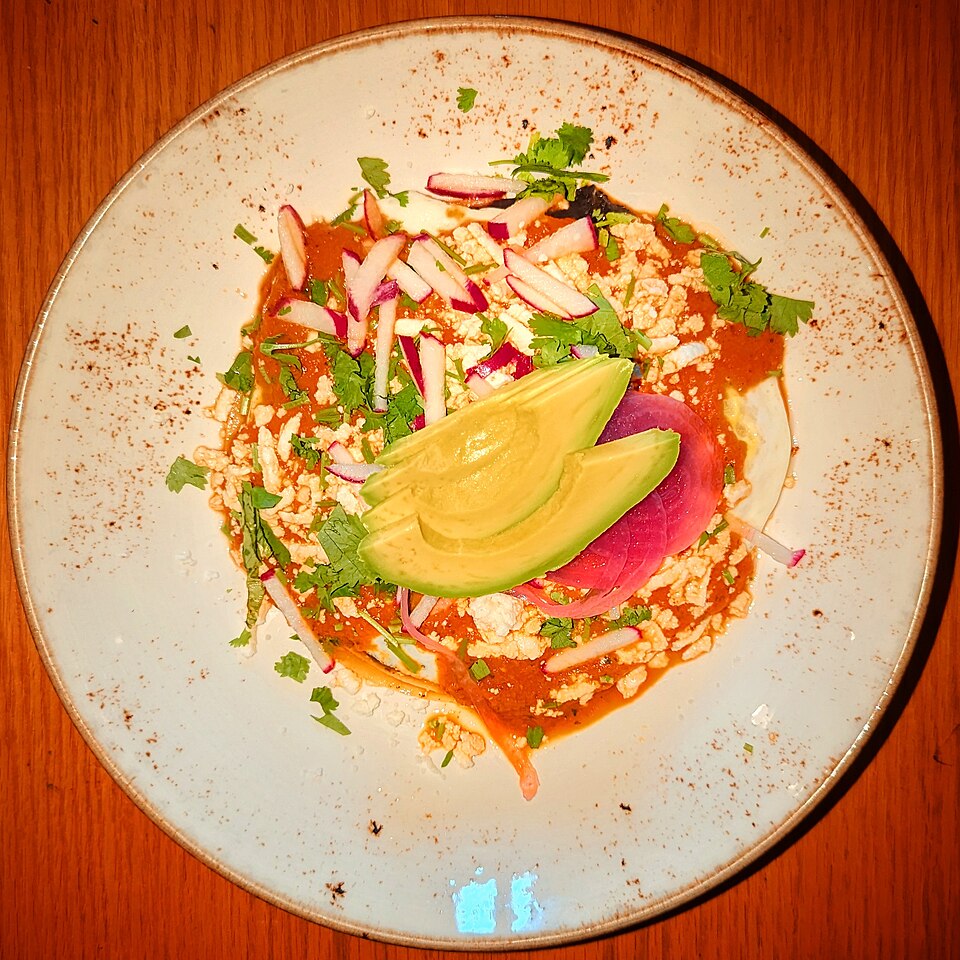
An AI-assisted editorial guide, not independently kitchen-tested. The photograph is a serving example. How we prepare and correct our guides.
For safe handling, consult FDA guidance. Send recipe corrections by email to ZYS10.