The first crêpe is a useful adjustment piece: it tells you whether the pan is hot enough, the batter spreads readily and the ladle holds the right amount for your particular skillet.
Delicate French Crêpes
Plus 30 minutes batter resting
Planning totals add preparation, cooking and listed waits. Overlapping stages may shorten the schedule; ingredient and equipment differences can lengthen it.
Ingredients
For fractional eggs, beat an extra egg or yolk and measure the required fraction.
Times and base yield refer to the original recipe. Scaling quantities does not automatically change pan size, temperature or cooking time.
Step-by-step method
The steps describe the base batch (4 servings). The calculator changes the ingredient list only; amounts written in the steps, equipment and timing remain for that base batch.
Step 1
Whisk flour, sugar and salt, then add eggs and half the milk to form a smooth thick batter.
Step 2
Whisk in remaining milk, cooled melted butter and vanilla, then rest for 30 minutes.
Step 3
Heat a non-stick skillet over medium heat and wipe with a trace of butter.
Step 4
Pour in a small ladle of batter and tilt quickly to form a thin layer.
Step 5
Cook until the edge releases, turn carefully and cook the second side briefly.
Step 6
Stack loosely and serve with lemon juice and a small sprinkle of sugar.
Why this version works
Make a smooth base before thinning it
Combining eggs with only part of the milk first gives a thicker mixture in which flour lumps are easier to work out. Add the remaining milk gradually rather than dropping dry flour into a large quantity of liquid. The melted butter should be warm, not hot, and the milk should not be icy cold, which can set the butter into small flecks. Plain flour gives a tender result; strong bread flour encourages a more elastic texture. Vanilla and sugar suit the lemon-sugar serving here. Omit them deliberately for a savory adaptation rather than assuming every filling needs a sweet batter.
Use the rest to hydrate, then check consistency
The thirty-minute rest gives flour time to absorb liquid, so a batter that looked thin immediately after mixing may be more coherent afterward. Stir gently before cooking because heavier material can settle. Lift a ladle and watch the flow: the batter should pour in a continuous thin ribbon, not drop like a breakfast-pancake mixture. If it has thickened excessively, add milk in small spoonfuls and retest. Do not add a large amount just because the first pan coating looked uneven; heat and movement can create the same symptom as an overly thick batter.
Match ladle volume to pan diameter
A skillet around 20–22 centimeters across is easier to tilt than a very large heavy pan. Wipe it with a trace of butter or neutral oil rather than leaving a visible puddle. Pour near the center and immediately lift and tilt so the batter runs outward before it sets. If it freezes in place too quickly, lower the heat slightly. If it remains wet for a long time and sticks, let the pan warm more. Use the first crêpe to choose your ladle quantity, then keep that amount consistent so the remaining pieces cook at similar speeds.
Turn when the edge releases, not on a fixed second
The upper surface should lose its wet sheen and the edge should begin lifting before a thin spatula slides underneath. A very pale floppy sheet may tear if moved early; a dark dry edge suggests too much time or heat. The second side needs only enough cooking to finish the film, since most of the setting happened on the first. Stack the crêpes loosely as they finish, but do not trap heavy condensation under an airtight lid. For lemon and sugar, dress each just before eating so the juice does not soak through an entire prepared stack.
Use the first crêpe to judge the batter allowance
The recipe does not specify that every pan must produce the same number of crêpes. Diameter and ladle size determine yield, so use the first thin round to establish a repeatable pour. Coat the pan lightly with the separate butter allowance rather than pouring more into the batter each time a crêpe sticks. If the batter spreads unevenly, check pan coverage and heat before making a large flour addition. Keep lemon and finishing sugar outside the batter; their role is a fresh sweet-acid finish, not a reason to alter the frying mixture.
Ingredient choices and substitutions
Plain flour produces a tender result. Use milk that is not refrigerator-cold when mixing with melted butter, or the butter may set into lumps. A small pan is easier to control than an oversized one.
Fixes for this recipe
| What you notice | Likely reason | What to do |
|---|---|---|
| Batter forms holes as it runs across the pan. | The pan may be too hot, oily or unevenly coated. | Wipe out excess fat and adjust heat before changing the batter. Pour slightly more for the next test and tilt promptly to connect thin patches. |
| Crêpes tear when lifted. | The first side has not set, or the batter has become too thin. | Wait for the surface to lose its wet sheen. If tearing continues despite correct heat, check the measured flour and let the rested batter settle before adding any more liquid. |
| The edges are crisp while the middle is thick. | The batter did not spread quickly or evenly. | Use a smaller ladle and tilt immediately. A little milk may help if the rested batter is genuinely too thick, but a cooler pan may be the more important correction. |
Recipe-specific questions
Can I mix crêpe batter in a blender?
Yes. Blend briefly enough to remove lumps, then allow the batter to rest so foam subsides. Excessive aeration makes the first pours harder to judge and is unnecessary for a thin flat crêpe.
Can I make all the crêpes before guests arrive?
Yes. Cool them, separate with paper if needed and refrigerate covered. Warm small batches gently in a skillet. Keep wet fillings separate until serving to preserve their delicate structure.
What makes these different from American pancakes?
This batter is thinner and has no chemical leavening. It is spread into a film rather than left as a thick round, so fluffy centers and lasting surface bubbles are not the doneness cues to seek.
Serving and storage
Lemon and a light sugar sprinkle keep the butter-and-egg flavor clear. Fresh berries or softened apples are useful alternatives, but drain very juicy fruit so the crêpes do not become waterlogged.
Cool cooked crêpes before covering so condensation does not make them clammy. Refrigerate promptly and warm only the number needed. For freezing, interleave with baking paper and wrap well; thaw in the refrigerator and reheat gently before adding lemon or another filling.
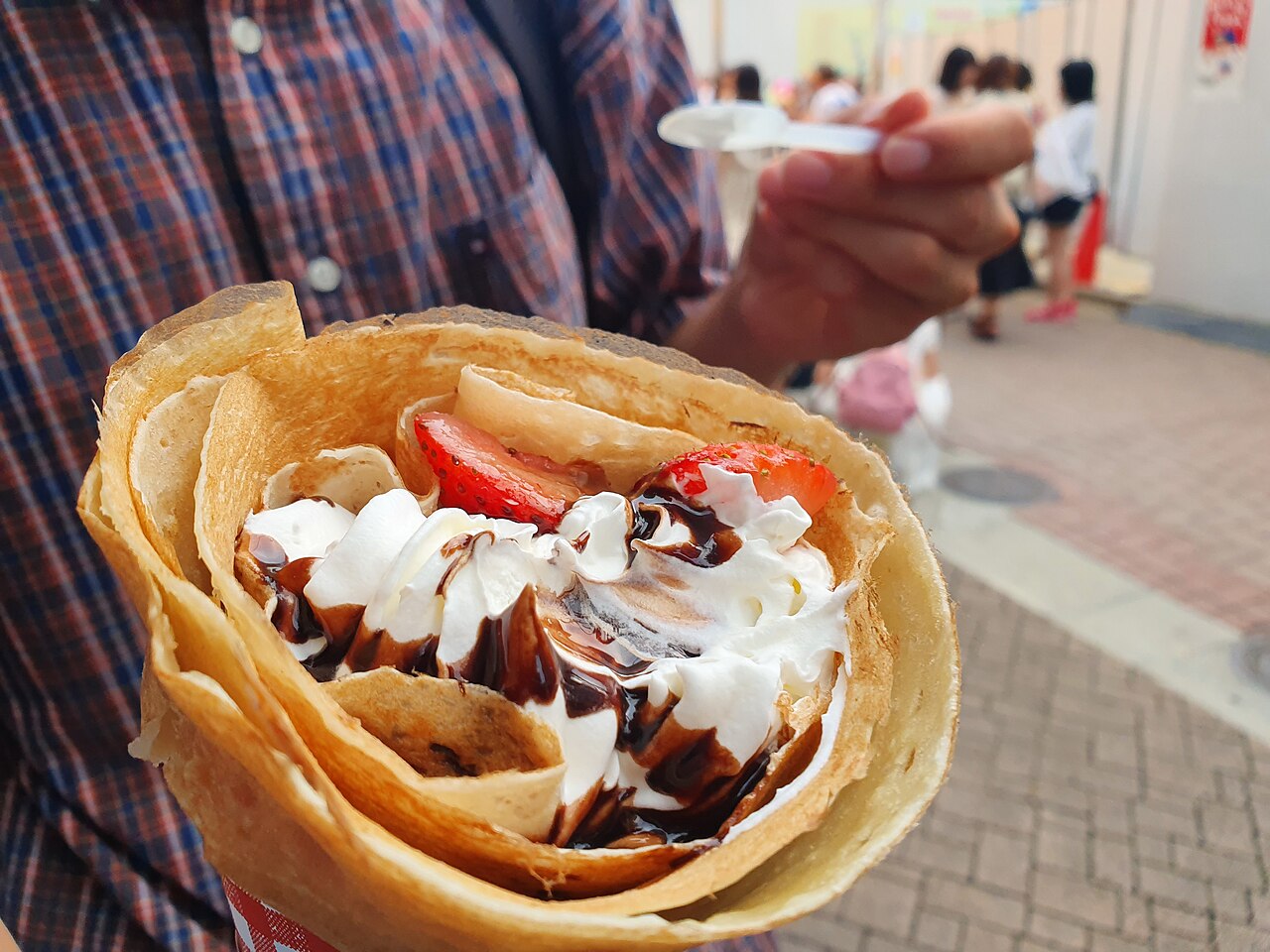
An AI-assisted editorial guide, not independently kitchen-tested. The photograph is a serving example. How we prepare and correct our guides.
For safe handling, consult FDA guidance. Send recipe corrections by email to ZYS10.