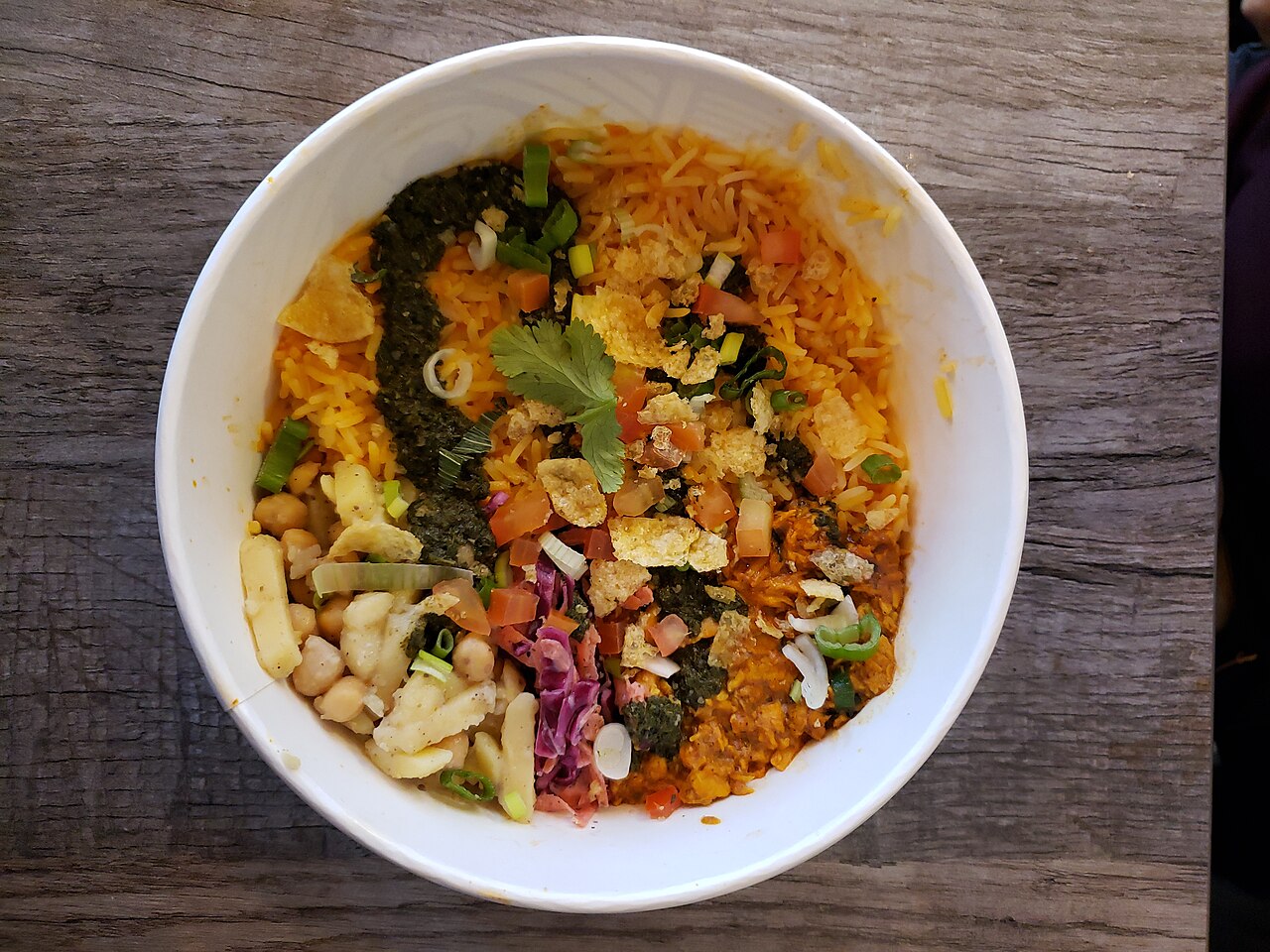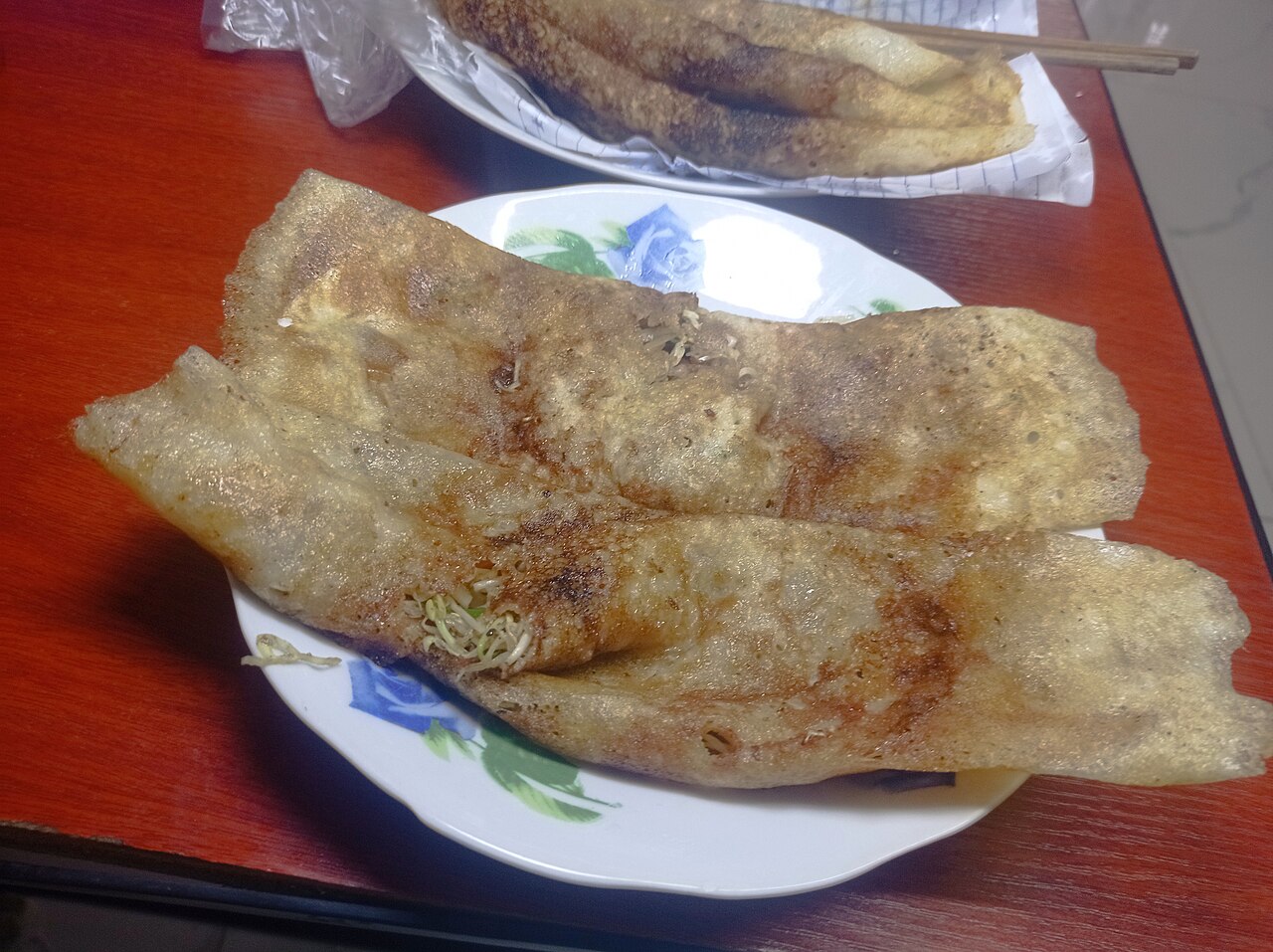
The shell should spread into a thin film and dry crisp at its edge. The filling stays soft, so contrast comes from the cooking process rather than an elaborate garnish.
Potato Masala Dosa
Includes 6 hours soaking and approximately 8–12 hours fermentation; judge batter development as well as the clock.
Planning totals add preparation, cooking and listed waits. Overlapping stages may shorten the schedule; ingredient and equipment differences can lengthen it.
Ingredients
Times and base yield refer to the original recipe. Scaling quantities does not automatically change pan size, temperature or cooking time.
Step-by-step method
The steps describe the base batch (4 servings). The calculator changes the ingredient list only; amounts written in the steps, equipment and timing remain for that base batch.
Step 1
Soak rice and dal separately for 6 hours, adding fenugreek to the dal.
Step 2
Drain, grind separately with enough water to form smooth batters, combine and ferment for 8–12 hours until aerated.
Step 3
Boil potatoes, drain and break into rough pieces.
Step 4
Use 2 tablespoons of the listed oil for the filling. Crackle mustard seeds, add curry leaves and onion, then turmeric, potatoes, 0.5 teaspoon salt and a splash of water. Cook until the filling holds together.
Step 5
Stir the other 0.5 teaspoon salt into the fermented batter. Thin with water to a pourable consistency. Use the remaining tablespoon of oil sparingly to grease the griddle and edges across the batch, then spread each ladleful in a spiral.
Step 6
Cook until the base is crisp and golden and the upper surface has set. Add potato filling and fold. Repeat with the remaining batter and filling.
Why this version works
Soak and grind the two ingredients for their roles
The batter uses 300 grams of rice and 100 grams of skinned urad dal. Soak separately so each can be ground to an appropriate texture without one limiting the other. Add fenugreek to the dal as written. Drain and use fresh water in small additions while blending; too much at the beginning creates a thin mixture that is hard to correct later. A home blender may need several small batches and pauses to avoid overheating. The dal should become smooth and light, while the rice should not leave large gritty pieces that scratch tracks through the spreading batter.
Assess fermentation without inventing a universal clock
Use a clean bowl large enough for expansion and cover without sealing pressure inside. The stated eight to twelve hours is a planning range, not proof of readiness under every temperature. Look for aeration, some expansion and a pleasantly tangy aroma. Mark the starting level on the outside of the bowl so small changes are visible. A cool kitchen may require longer, while excessive warmth can sour the batter quickly. Do not try to rescue a batch with visible mold or an abnormal rotten odor. Once fermented, refrigerate if the meal is not imminent.
Make the potato filling soft but contained
Boiled potatoes should break into rough pieces that remain soft enough to spread under the dosa fold. Cook mustard seeds until they crackle, then add curry leaves carefully because wet leaves can spit. Onion should soften rather than become a dark jam. Turmeric supplies a warm color, and a splash of water prevents the filling from drying while it warms. Curry powder is not a replacement for curry leaves: one is a spice blend, the other an aromatic leaf. Keep the filling warm separately, not simmering in a large pool that will soften the dosa immediately.
Control the griddle before controlling the spiral
Thin the batter gradually until it pours and can spread without tearing. A lightly oiled, well-seasoned griddle offers more grip than a surface covered in a deep slick of oil. If batter sets instantly into thick ridges, reduce heat and wipe the pan before the next attempt. Spread from the center using the back of a ladle with light pressure. Add the small oil drizzle after spreading, then allow moisture to evaporate until the edge releases. Place a modest amount of filling toward one side and fold just before serving, rather than leaving filled dosas stacked in a covered dish.
Keep batter consistency separate from potato softness
A spreadable dosa batter and a soft potato filling solve different problems. If the batter drags into a thick uneven patch, assess its flow and the griddle before adding more oil. If the dosa spreads well but tears under filling, use a smaller, less wet potato portion and wait until the upper batter has set before folding. Keep the filling beside the stove in an easy-to-portion container so the crisp base does not wait while you break up large potato lumps. Adjust one component where the difficulty actually occurs.
Ingredient choices and substitutions
Use rice sold for idli or dosa and fresh skinned urad dal. A strong blender helps create a smooth batter. Curry leaves have a distinct aroma and cannot be replaced faithfully by curry powder.
Fixes for this recipe
| What you notice | Likely reason | What to do |
|---|---|---|
| Batter refuses to spread beyond the center | The griddle is too hot or the batter is thicker than the ladle can move. | Lower the heat, wipe the surface and test a smaller amount. Thin only a portion of batter first so an adjustment does not make the whole bowl excessively watery. |
| A pale soft dosa that clings to the pan | The surface is too cool, poorly seasoned or the batter has not cooked long enough. | Let the pan recover heat and wait for the edge to release naturally. Check seasoning and use a light oil film rather than scraping at wet batter immediately. |
| The folded shell turns soggy at once | The potato filling is wet or the dosa was covered while steaming hot. | Reduce the filling separately and assemble at the last moment. Serve each dosa directly from the griddle, keeping extra batter and filling as separate components. |
Recipe-specific questions
Can bought dosa batter be used with this potato masala?
Yes. Follow its storage and dilution instructions, then use the same filling. Check whether the batter already contains salt before adding more. This removes the soaking and fermentation tasks but does not change the need for careful griddle temperature.
Why does the first dosa often look worse than later ones?
The first piece reveals whether the surface temperature, oil film and batter consistency are working together. Use a small test dosa and adjust one factor at a time. That is more informative than adding water, oil and heat simultaneously.
Can I replace urad dal with ordinary yellow lentils?
Not as a direct swap in this batter. Urad contributes particular binding and aeration behavior. A different lentil batter is a separate formulation and may need different ratios, fermentation and spreading technique.
Serving and storage
Sambar supplies a warm, spoonable accompaniment and coconut or tomato chutney adds a contrasting cool texture. Place small portions alongside the dosa instead of pouring them over its whole crisp surface before eating.
Refrigerate fermented batter in a clean container with room at the top, and keep the potato filling separately chilled if making ahead. Stir and adjust only the portion needed for cooking. Filled cooked dosas lose their crispness quickly; storing the components is more useful than trying to preserve an assembled stack.
An AI-assisted editorial guide, not independently kitchen-tested. The photograph is a serving example. How we prepare and correct our guides.
For safe handling, consult FDA guidance. Send recipe corrections by email to ZYS10.