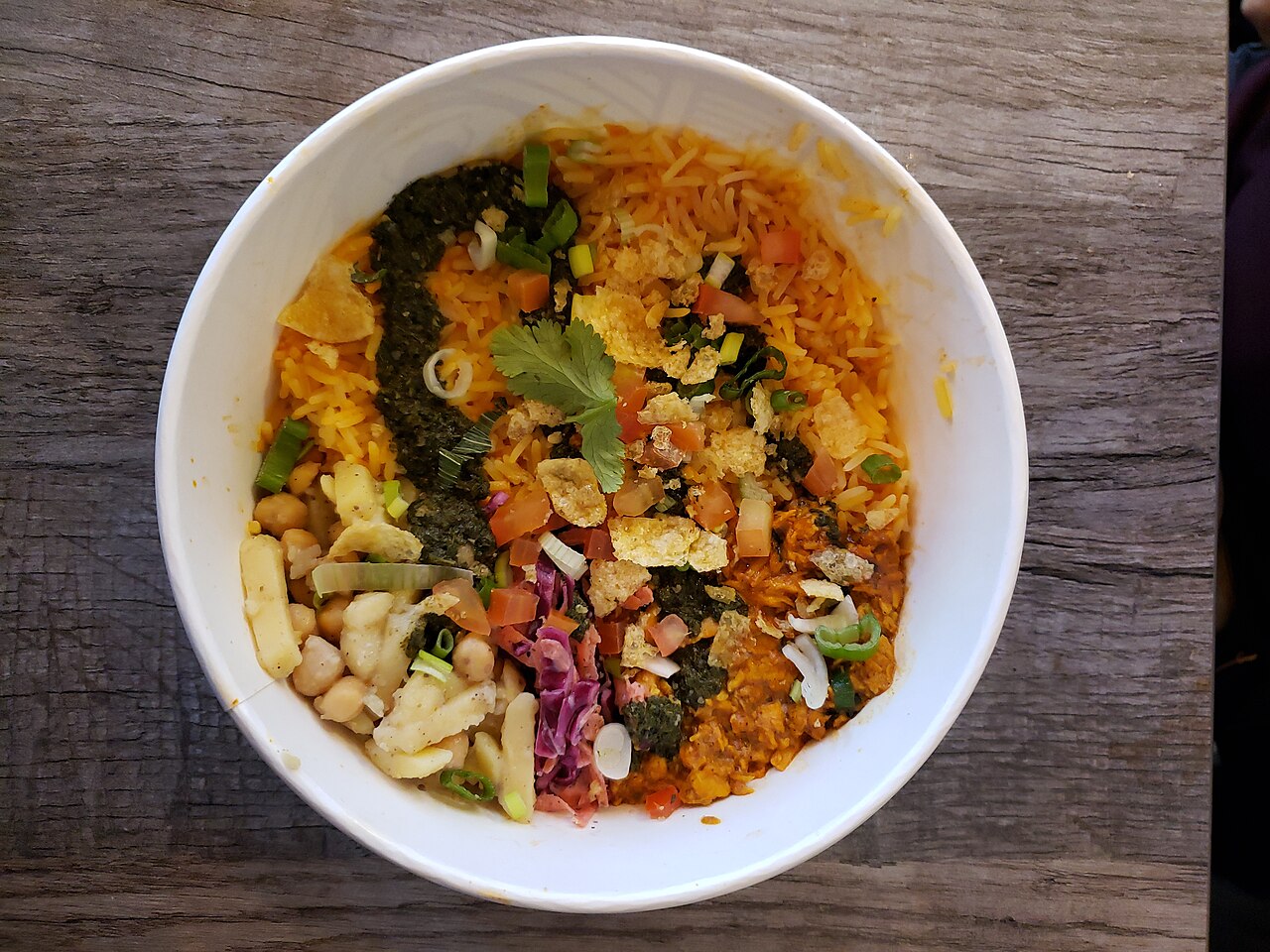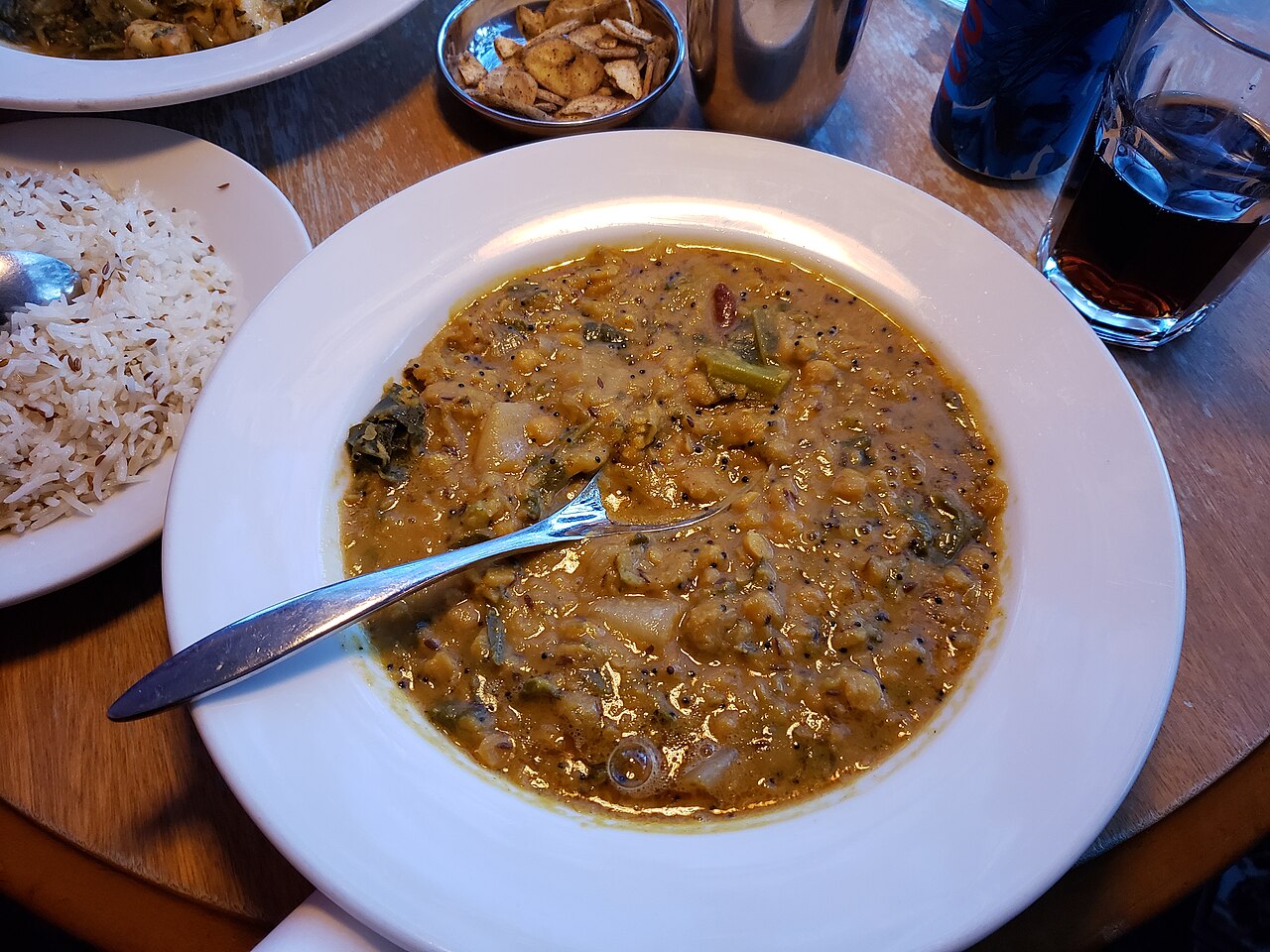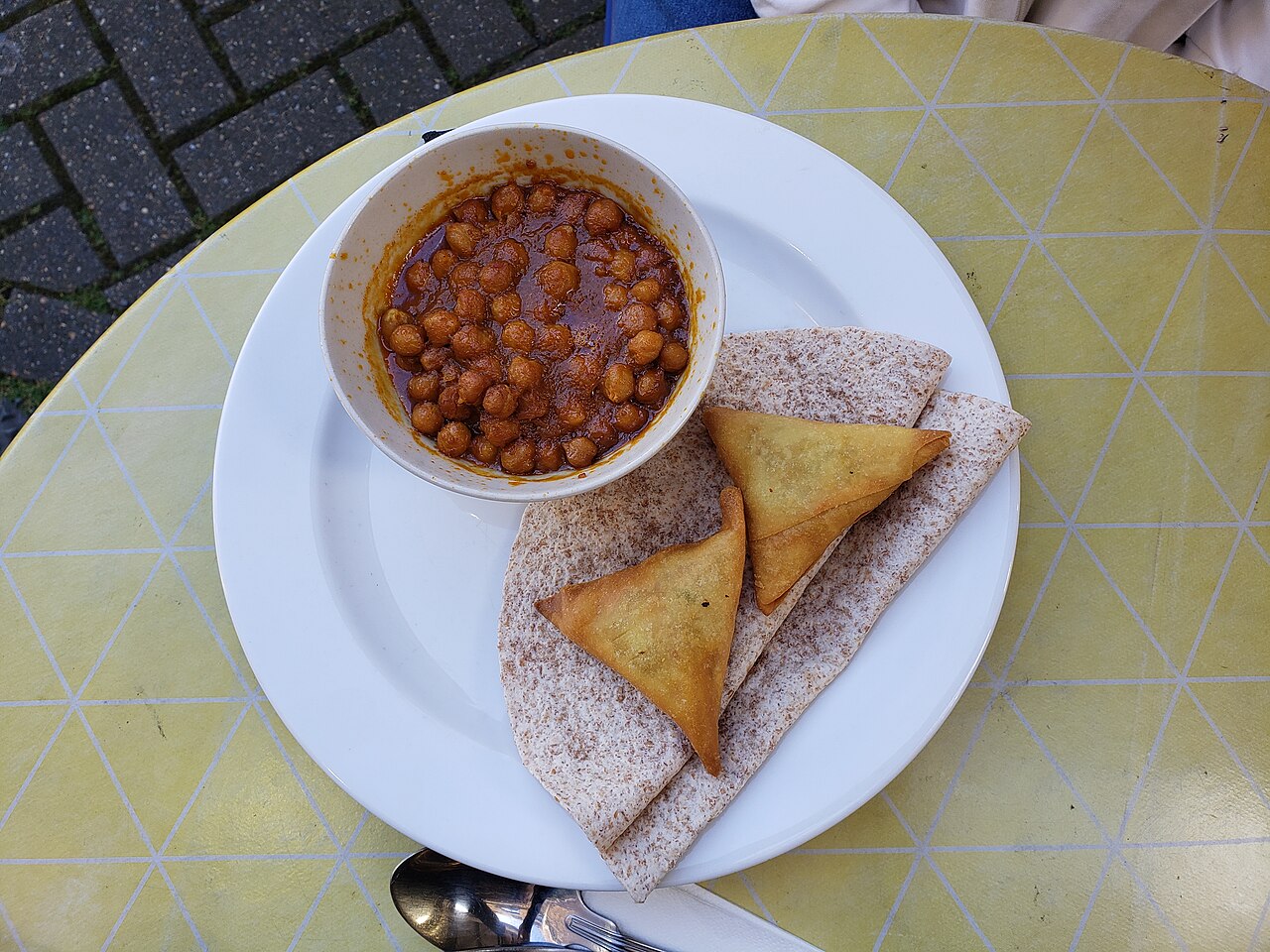
The beans should feel creamy when pressed, while the sauce clings in a thin layer rather than pooling separately. Amchur adds a dry fruity tang near the finish, allowing the dish to stay lively without becoming aggressively sour.
Tangy Chana Masala
Planning totals add preparation, cooking and listed waits. Overlapping stages may shorten the schedule; ingredient and equipment differences can lengthen it.
Ingredients
Times and base yield refer to the original recipe. Scaling quantities does not automatically change pan size, temperature or cooking time.
Step-by-step method
The steps describe the base batch (4 servings). The calculator changes the ingredient list only; amounts written in the steps, equipment and timing remain for that base batch.
Step 1
Cook onion in oil over medium heat until evenly golden, taking 10–12 minutes.
Step 2
Add ginger and garlic and stir for one minute without burning.
Step 3
Add coriander, cumin and turmeric with a splash of water, then stir in tomatoes.
Step 4
Cook until the tomato mixture thickens and the oil begins to show at the edges.
Step 5
Add chickpeas and 250 ml water and simmer for 15 minutes, crushing a few chickpeas to thicken.
Step 6
Finish with garam masala, amchur and fresh coriander, then taste for salt.
Why this version works
Start with chickpeas that are already tender
The 600 grams in the recipe refer to cooked, drained chickpeas. If starting with dried beans, soak and cook them separately until one crushes easily between a spoon and the side of the pot. Do not use the tomato sauce as the main softening liquid for hard chickpeas. Canned beans are convenient but vary in firmness; taste one after rinsing. A brand that remains distinctly hard needs an extra simmer in water first. Retain a small amount of clean cooking liquid if available, because it can add body when the sauce needs loosening.
Read onion color rather than racing the clock
A large onion contributes sweetness and structure to the base. Dice it evenly so small pieces do not blacken while larger pieces remain raw. Cook over a heat that produces steady sizzling, stirring more often as the moisture leaves. The goal is a broadly golden onion, not isolated burnt edges. Ten to twelve minutes may be enough in a wide pan, but a deep narrow saucepan can take longer. A pinch of salt may help the onion soften, although the final seasoning should still be checked after the chickpeas and sauce combine.
Cook the spice-tomato paste until it holds together
Coriander, cumin and turmeric should briefly contact the warm aromatic base, with the stated splash of water protecting them from scorching. Once the tomatoes go in, let their excess water evaporate before adding the chickpeas. Look for a thicker mixture that gathers around the spoon and no longer smells like newly opened canned tomato. A little oil may appear at the edges, but an oil-free appearance does not automatically mean failure. The useful endpoint is concentrated flavor and a sauce that can cling to beans rather than dilute around them.
Build body and acidity at different moments
Crush only a small portion of the chickpeas against the pan, leaving most whole. Their starch thickens the liquid naturally, and the intact beans preserve contrast. Amchur and garam masala go in late because their roles are finishing tang and fragrance. Begin with part of the measured amchur if the tomatoes are particularly sharp. Lemon can replace some of that brightness, but adds liquid and a fresh citrus aroma rather than dried mango's particular flavor. Add it off the heat in small increments. Yogurt is a serving option, not a remedy for badly balanced sauce.
Choose the chickpea liquid before building the sauce
The written chickpea weight is drained, while the simmering water is measured separately. This makes the sauce easier to control than tipping in an unknown quantity of canned packing liquid. If you choose to use some bean liquid, count it within the simmering allowance and taste for salt before adding more. Crush only a few cooked chickpeas at first, then stir and reassess body. Turning a large part of the batch into paste can make the curry feel heavy even when there is enough liquid and the chickpeas themselves are tender.
Ingredient choices and substitutions
Chickpeas should be tender all the way through before they enter the sauce. Canned chickpeas are practical; rinse them well. Buy ground spices in small quantities and replace those that have lost their scent.
Fixes for this recipe
| What you notice | Likely reason | What to do |
|---|---|---|
| The beans stay firm despite a long sauce simmer | They entered the acidic tomato base before becoming fully tender. | For future batches, finish cooking dried chickpeas separately. In the current pan add enough hot water to prevent drying and continue gently, understanding that this may take considerably longer than the recipe estimate. |
| Thin red liquid separates around the chickpeas | The tomato base was not reduced or too much water was added at once. | Simmer uncovered and crush a few chickpeas into the liquid. Stop before the bottom catches; a concentrated sauce should coat the beans without becoming a dry paste. |
| The finish is sour but not flavorful | Amchur or lemon was added before the salt and cooked tomato balance were assessed. | Taste with a plain chickpea and a little rice. Adjust salt cautiously and dilute with extra cooked beans if available rather than piling more spices over excessive acidity. |
Recipe-specific questions
Should canned chickpeas be rinsed for this recipe?
Rinsing removes the salty canning liquid and makes seasoning easier to control. If the liquid tastes clean and is not overly salted, a little can be retained separately, but it is not necessary to pour the whole can into the sauce.
What if I have chana masala powder but no amchur?
Check the ingredients in the blend before adding it. Some mixes already contain mango powder and salt. Use it as a seasoning variation, reducing the separate spices initially, and taste before deciding whether any extra acidic finish is needed.
Can I make this chickpea curry less oily?
The oil helps cook the onion and carry the spices, but the final dish should not have a deep surface layer. Use a non-stick heavy pan and small splashes of water to protect the base, accepting that a reduced-oil version may brown differently.
Serving and storage
Serve with roti, rice or a simple flatbread. Thinly sliced red onion, cucumber and a modest spoonful of yogurt provide temperature and texture contrast without competing with the warm coriander-cumin base.
Chickpeas and their sauce can be cooled promptly and refrigerated together. They often absorb liquid while standing, so reserve a little water or bean cooking liquid for reheating. Warm gently, stir along the base and add fresh coriander after heating rather than storing the whole batch under a thick herb garnish.
An AI-assisted editorial guide, not independently kitchen-tested. The photograph is a serving example. How we prepare and correct our guides.
For safe handling, consult FDA guidance. Send recipe corrections by email to ZYS10.