Garlic must perfume the oil without burning, while shrimp need a short final cook. Treating those as separate temperature stages gives more control than dropping everything into a smoking pan and hoping the garlic survives.
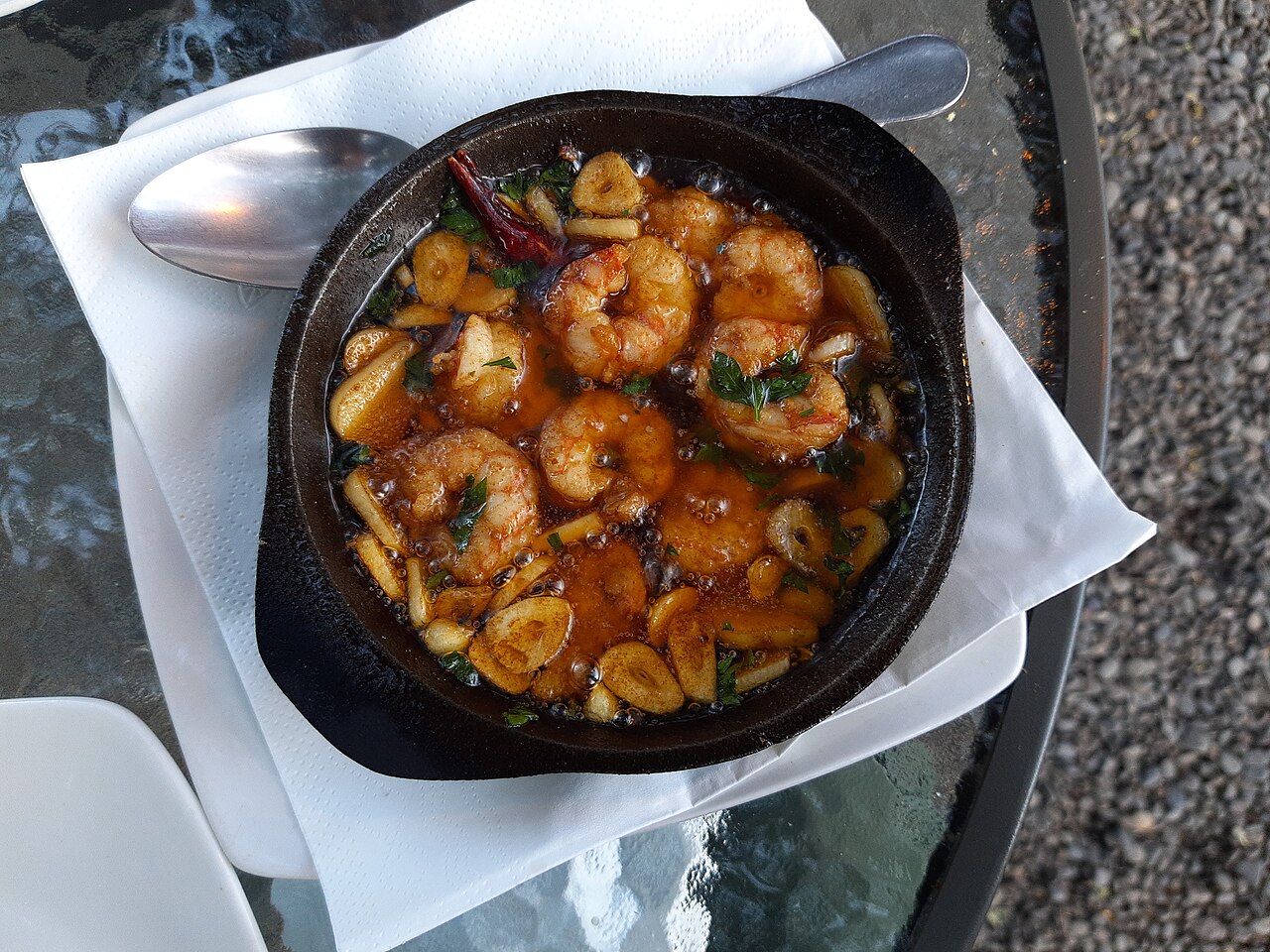
Garlic Shrimp Gambas al Ajillo
Planning totals add preparation, cooking and listed waits. Overlapping stages may shorten the schedule; ingredient and equipment differences can lengthen it.
Ingredients
Times and base yield refer to the original recipe. Scaling quantities does not automatically change pan size, temperature or cooking time.
Step-by-step method
The steps describe the base batch (4 servings). The calculator changes the ingredient list only; amounts written in the steps, equipment and timing remain for that base batch.
Step 1
Pat shrimp dry and check that they are evenly sized.
Step 2
Warm olive oil with sliced garlic and dried chile over low heat until the garlic turns pale golden.
Step 3
Season the dried shrimp with the listed salt, raise the heat slightly and add them in a single layer.
Step 4
Turn once and cook just until opaque and at least 63°C / 145°F.
Step 5
Take off the heat, stir in parsley and a little lemon juice.
Step 6
Serve promptly in a warm dish with bread for the fragrant oil.
Why this version works
Buy shrimp of similar size and dry them well
The 600 grams refer to peeled raw shrimp in this version, so account for shell weight if buying them whole. Frozen shrimp can be a practical choice when thawed in the refrigerator and drained thoroughly. Pat the surfaces dry before cooking; excess thawing water cools the oil and dilutes its garlic flavor. Similar-sized shrimp finish more evenly than a mixture of tiny and jumbo pieces. Devein as needed and keep the shrimp refrigerated while preparing garlic and parsley. Already cooked shrimp require only a short warm-through and should not receive the full raw-shrimp cooking stage.
Let the garlic warm with the oil
Slice six garlic cloves evenly enough that the thinnest pieces do not burn before the thickest become fragrant. Begin them in warm, not violently hot, olive oil with the dried chile. The goal is pale golden garlic and a rounded aroma. Stir or swirl so slices do not sit against one overheated patch of metal. Heavy cookware retains heat after the burner is reduced, so move it off the hob briefly if color advances too quickly. Garlic continues darkening in hot oil; stop the initial stage before it reaches the exact deep color you might want on a finished photograph.
Add shrimp in a single layer and watch the change
Raise the heat modestly and place shrimp where they can contact the pan. If the skillet is too small, cook two batches rather than making a mound that steams unevenly. Turn when the lower surface becomes opaque, then finish the other side promptly. The flesh should be opaque and safely cooked, with a firm but yielding bite rather than a tight rubbery curl. Check a thick piece directly rather than relying only on shape. The oil can stay hot after cooking, so transfer or serve soon instead of leaving the pan on a warm burner.
Finish the oil as part of the dish
The olive oil is meant to carry garlic aroma and be enjoyed in small amounts with bread. Choose an oil that tastes clean and pleasant rather than using a stale bottle because it will be heated. Parsley adds freshness off the heat. Lemon is a measured finishing accent, not an instruction to turn the oil into a sharply sour sauce. Add it carefully because liquid meeting hot oil may spit. Warm serving dishes are helpful, but warn diners about both the vessel and the oil. A broad shallow dish lets shrimp be lifted without fishing through a deep boiling pool.
Choose bread to share the oil without adding more sauce
The olive oil is a deliberate part of the serving, carrying garlic, chile and shrimp flavor. A small portion of sturdy bread can catch it without requiring the shrimp to remain in a hot pan while diners assemble plates. Keep a shallow serving dish ready and transfer promptly after cooking. If the garlic begins coloring before the shrimp enter, lower the heat rather than treating darker slices as automatically more flavorful. Add lemon gradually at the finish; acidity brightens the oil, but a large squeeze changes the dish into a different, much sharper sauce.
Ingredient choices and substitutions
Use good-quality shrimp that smell clean, and thaw frozen shrimp in the refrigerator before drying them. Choose fresh firm garlic without green shoots for a gentler flavor. Olive oil should be pleasant and not rancid.
Fixes for this recipe
| What you notice | Likely reason | What to do |
|---|---|---|
| Garlic turns dark before shrimp are ready. | The initial oil was too hot or the slices were uneven. | Remove the pan from heat immediately. If the oil tastes acrid, remake the garlic oil rather than letting burnt flavor coat the entire batch. |
| Shrimp release a watery broth. | They were wet from thawing or crowded in the skillet. | Drain and dry thoroughly next time and use batches. For the current dish, remove cooked shrimp before reducing excess liquid so they do not become rubbery. |
| The shrimp feel tough and tightly curled. | Cooking continued beyond their endpoint, including time left in hot oil. | Serve promptly once safely cooked and take the pan off the burner. Texture cannot be restored by adding more oil or lemon afterward. |
Recipe-specific questions
Can I use garlic paste from a jar?
It changes the cooking behavior and may contain acid or water that splutters in oil. Fresh evenly sliced garlic is easier to control and gives the recognizable pieces used in this version.
Should the shrimp tails stay on?
That is a serving choice. Tails can help diners pick them up but are less convenient when eating with a fork. Removing them before cooking makes the dish easier to eat without changing the central garlic-oil method.
Can I make the whole dish ahead?
Prepare garlic slices, parsley and thawed shrimp ahead while keeping them appropriately chilled. Cook close to serving. A long warm hold sacrifices the shrimp texture that makes the short method worthwhile.
Serving and storage
Crusty bread is useful for the flavored oil, while a plain green salad offers acidity and crunch without another competing garlic sauce. Keep lemon wedges on the side for individual adjustment.
Cool and refrigerate leftovers promptly rather than leaving shrimp in warm oil on the table. Reheat only gently and thoroughly, recognizing that shrimp firm up with another cook. Making a smaller fresh batch is preferable when crisp-tender seafood texture is the priority.
An AI-assisted editorial guide, not independently kitchen-tested. The photograph is a serving example. How we prepare and correct our guides.
For safe handling, consult FDA guidance. Send recipe corrections by email to ZYS10.