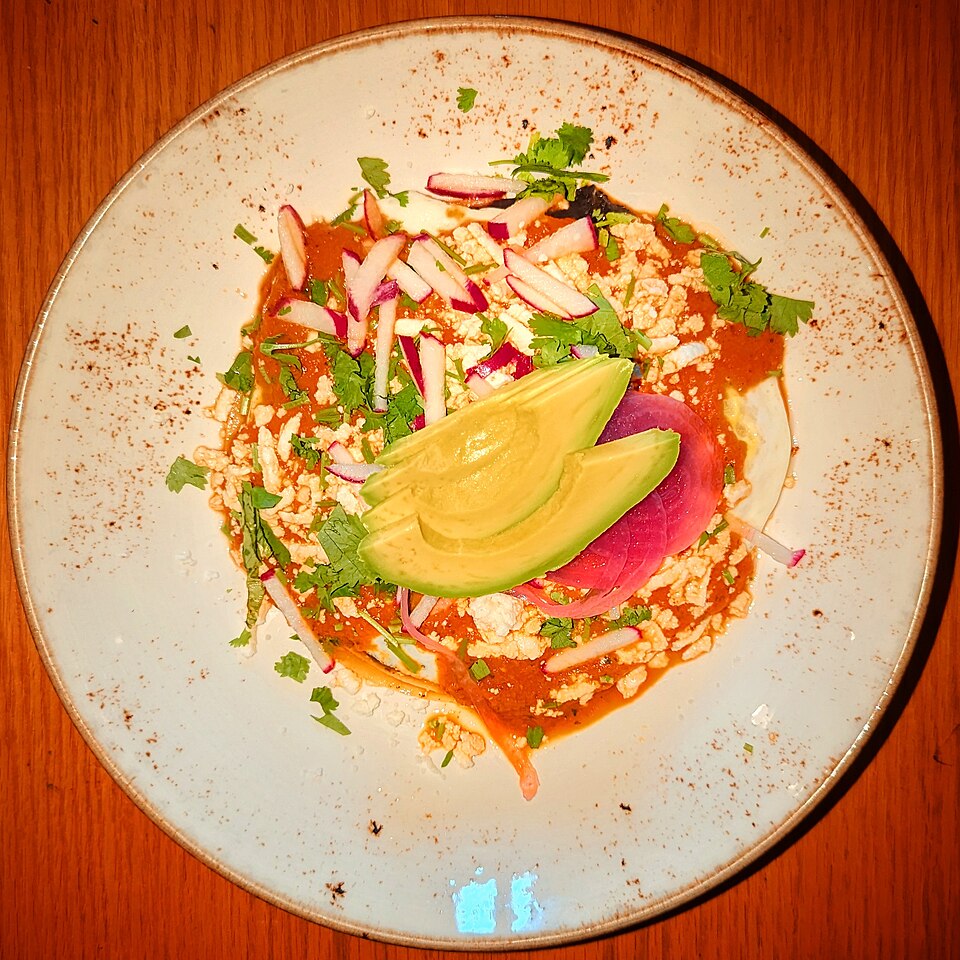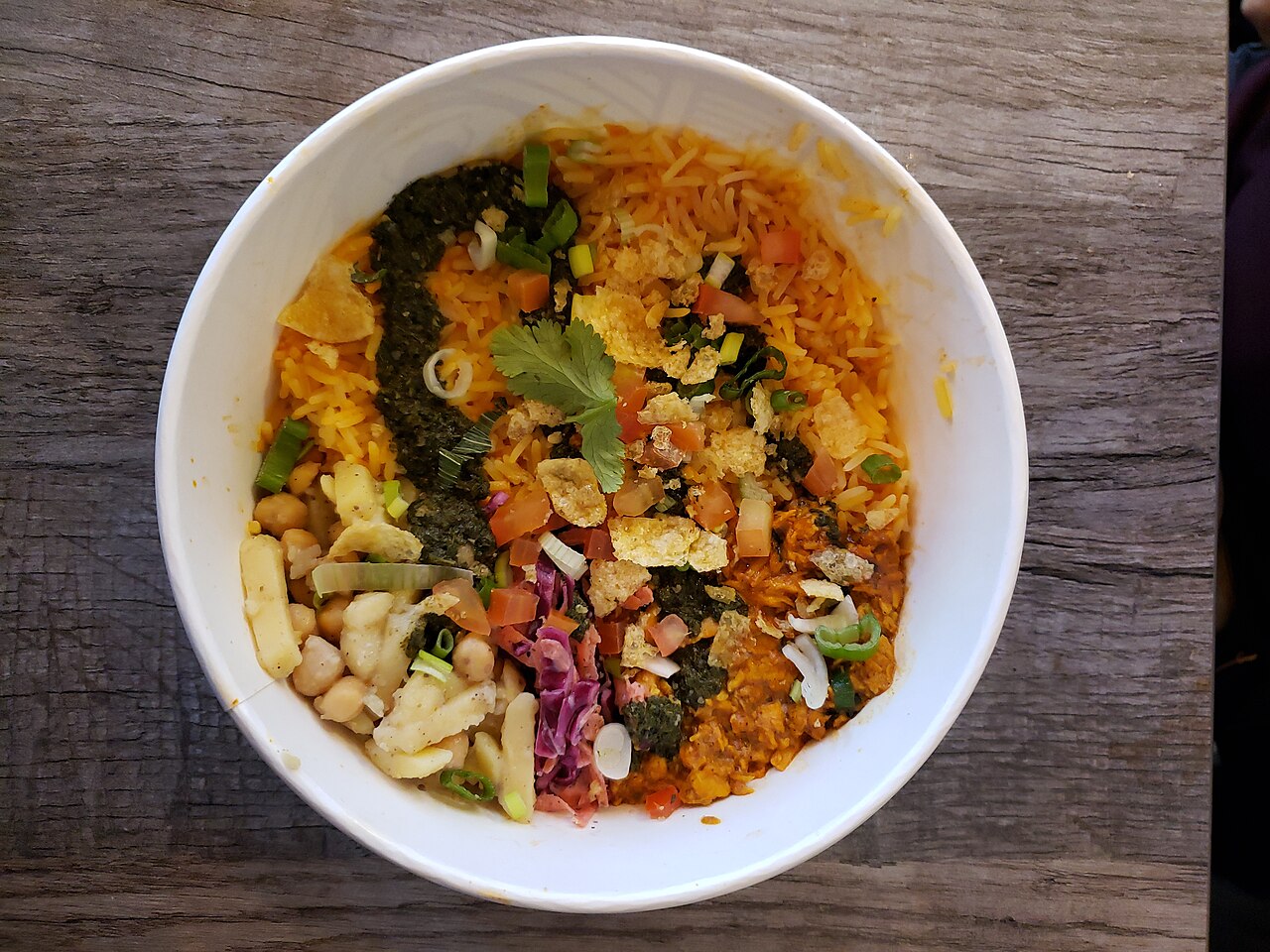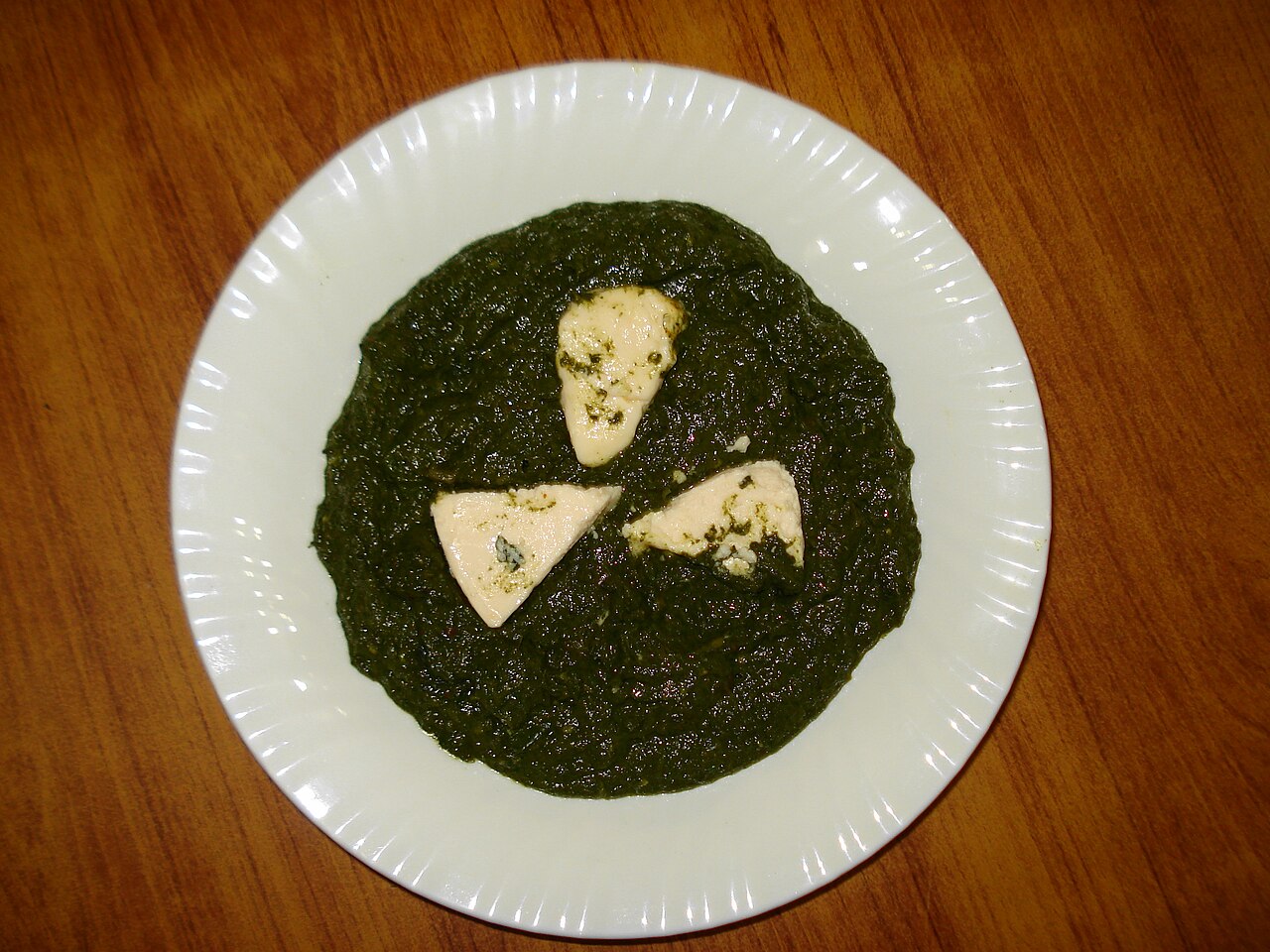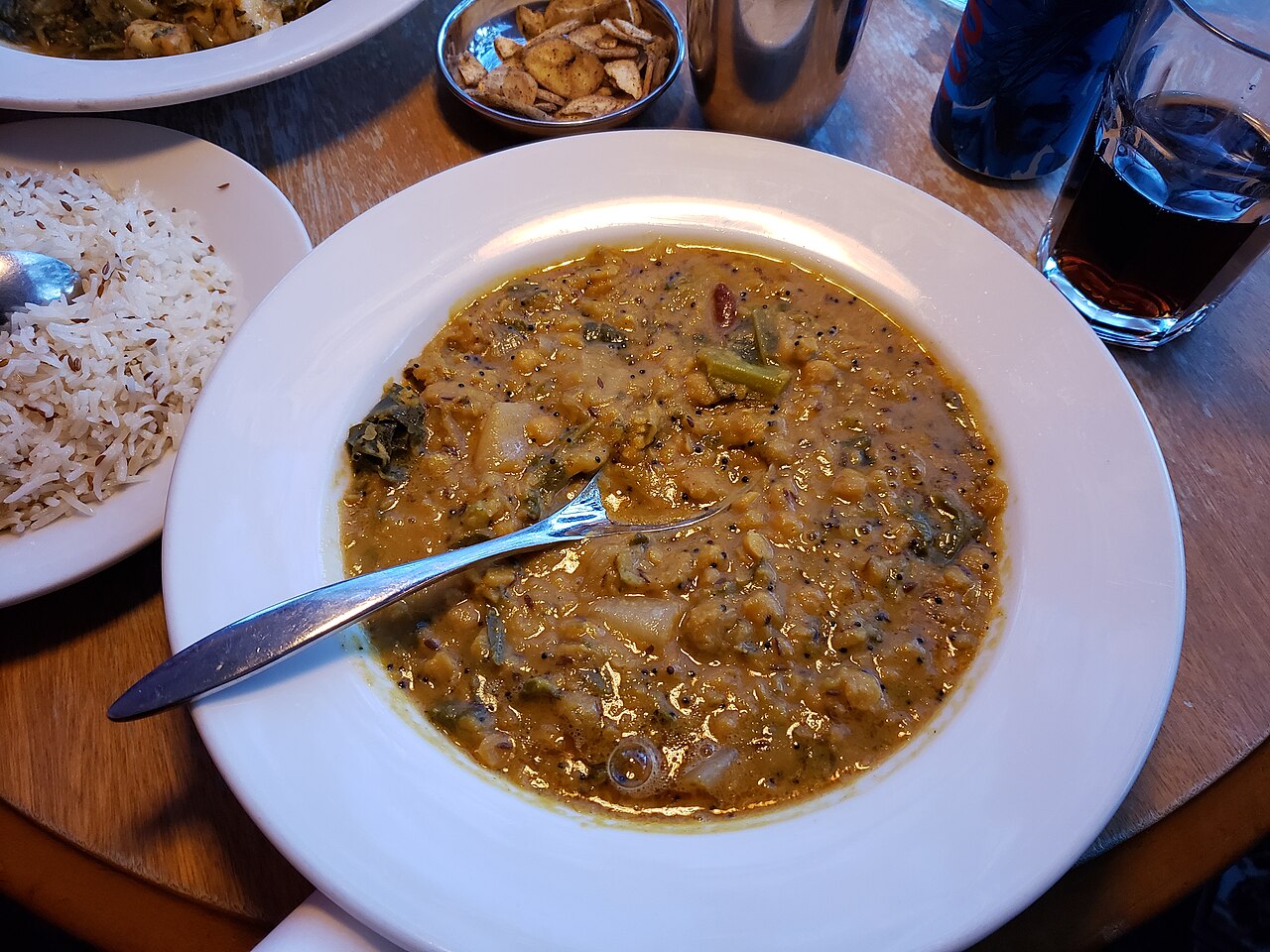
The lentils should flow from the spoon rather than stand like mashed potato. The tadka needs attention measured in seconds near its end, especially once sliced garlic enters the hot ghee.
Comforting Dal Tadka
Planning totals add preparation, cooking and listed waits. Overlapping stages may shorten the schedule; ingredient and equipment differences can lengthen it.
Ingredients
Times and base yield refer to the original recipe. Scaling quantities does not automatically change pan size, temperature or cooking time.
Step-by-step method
The steps describe the base batch (4 servings). The calculator changes the ingredient list only; amounts written in the steps, equipment and timing remain for that base batch.
Step 1
Rinse the dal, place in water with turmeric and simmer until soft, skimming foam as needed.
Step 2
Stir and lightly mash the cooked dal, adding hot water until it flows easily.
Step 3
In a small pan, cook onion in one tablespoon of ghee until golden, then add ginger and tomatoes.
Step 4
Cook the tomato mixture down and stir it into the dal, seasoning to taste.
Step 5
Heat remaining ghee, add cumin, garlic and dried chile and cook just until fragrant and golden.
Step 6
Pour the hot tadka over the dal and finish with coriander.
Why this version works
Know the lentil before setting the timer
Toor dal consists of split pigeon peas and does not behave exactly like red lentils or yellow split peas. With 250 grams of dal, begin with the stated water and keep extra hot water nearby. Age, soaking and pot shape affect how quickly the pieces soften. A finished lentil should crush readily and lose any hard pale center. If some remain firm, continue before adding the tomato mixture. Foam on the surface can be skimmed for a neater pot, but it does not tell you whether the center is cooked. A lid left slightly ajar helps prevent boiling over.
Choose a spoonable base before tempering
Stirring and lightly mashing release lentil starch into the cooking liquid. Stop before the entire pot becomes a perfectly smooth puree if you enjoy some grain texture. The consistency should be slightly looser than the final bowl, because dal thickens as it stands and cools. Use hot water to loosen it before final seasoning, not a large quantity of ghee. The onion and tomato mixture adds flavor and a little body, but it cannot hydrate an undercooked center. Keep a gentle simmer while that base blends in, checking the bottom with a broad spoon.
Cook the tomato-onion mixture separately for clarity
A browned onion contributes sweetness that balances the turmeric and lentils. Add ginger only after the onion has softened so its small pieces do not burn during the longer onion stage. The tomatoes need to lose their raw watery character before joining the dal. This separate pan method gives control over both tasks: lentils can continue softening without forcing onion to boil in their water. It is particularly useful when your dal is older than expected. Once the two components combine, taste for salt before preparing the final tadka, since that last operation moves quickly.
Build the tadka with a safe landing ready
Set the cooked dal beside the stove before heating the remaining ghee. Cumin should sizzle and become aromatic, then garlic should turn pale gold. A dried chile perfumes the fat without requiring the whole pot to become very hot. Do not wait for dark brown garlic, because residual heat continues coloring it as you pour. Use a small pan with a handle you can control, and pour away from your body into the warm dal. If the tadka burns, discard and remake that small component rather than spreading its bitterness through the whole batch.
Budget the finishing fat instead of adding it twice
Three tablespoons of ghee are divided between the onion-tomato base and the final aromatic tadka. Set out that division before cooking so the first pan does not receive the whole allowance and the finishing pan another unmeasured quantity. Bring the dal to its intended loose consistency before pouring in the tadka; a very thick base can hide the aromatic fat in heavy clumps. Serve a spoon with plain rice before adding extra seasoning. A clear garlic-cumin finish should remain distinct without requiring the whole bowl to taste of fried fat.
Ingredient choices and substitutions
Choose clean split lentils and check their age if they take unusually long to soften. Toor dal has a distinct nutty flavor; red lentils are a faster-cooking variation rather than an identical substitute.
Fixes for this recipe
| What you notice | Likely reason | What to do |
|---|---|---|
| Lentils feel gritty inside a thick sauce | The water reduced before the dal fully softened. | Add hot water, cover partly and continue simmering until a grain crushes easily. Do this before final tadka so the fresh garlic aroma is not boiled away during a long rescue cook. |
| The bowl becomes almost solid after standing | Released lentil starch continues absorbing water as the dal cools. | Loosen with hot water while stirring gently, then recheck salt. This is normal thickening, not evidence that more oil or cream is required. |
| A bitter burnt-garlic finish | The garlic darkened in the tadka pan or remained there too long after the heat was switched off. | Prepare another small tempering and leave out the burnt batch. Removing visible garlic from already flavored oil will not remove all its bitterness. |
Recipe-specific questions
Can red lentils replace toor dal here?
They make a quicker, softer variation and may break down more completely. Begin checking them earlier and adjust water by texture. Keep the same separate aromatic finish, but describe the result as a different lentil version rather than identical to toor dal.
Should I add lemon to the whole pot?
Taste a serving first. The tomatoes may already provide enough acidity, and individual diners can add a small squeeze at the table. This keeps a large batch from becoming more sour than intended after reduction.
Can the tadka be prepared hours ahead?
It is most fragrant close to serving. The lentil base is the better component to make in advance. Reheat and loosen it first, then spend a few minutes preparing fresh cumin-garlic ghee immediately before the meal.
Serving and storage
Plain rice highlights the creamy lentils, while chapati provides something to scoop with. A sharp pickle or raw cucumber side supplies contrast in a small quantity; it need not replace careful seasoning of the dal.
Cool the cooked lentil base promptly in shallow containers and refrigerate. It thickens considerably, so reheat with water a little at a time and stir the bottom carefully. If possible, store a portion without the final herb garnish and add fresh coriander and a small fresh tadka when serving again.
An AI-assisted editorial guide, not independently kitchen-tested. The photograph is a serving example. How we prepare and correct our guides.
For safe handling, consult FDA guidance. Send recipe corrections by email to ZYS10.